
The Midnight Decision
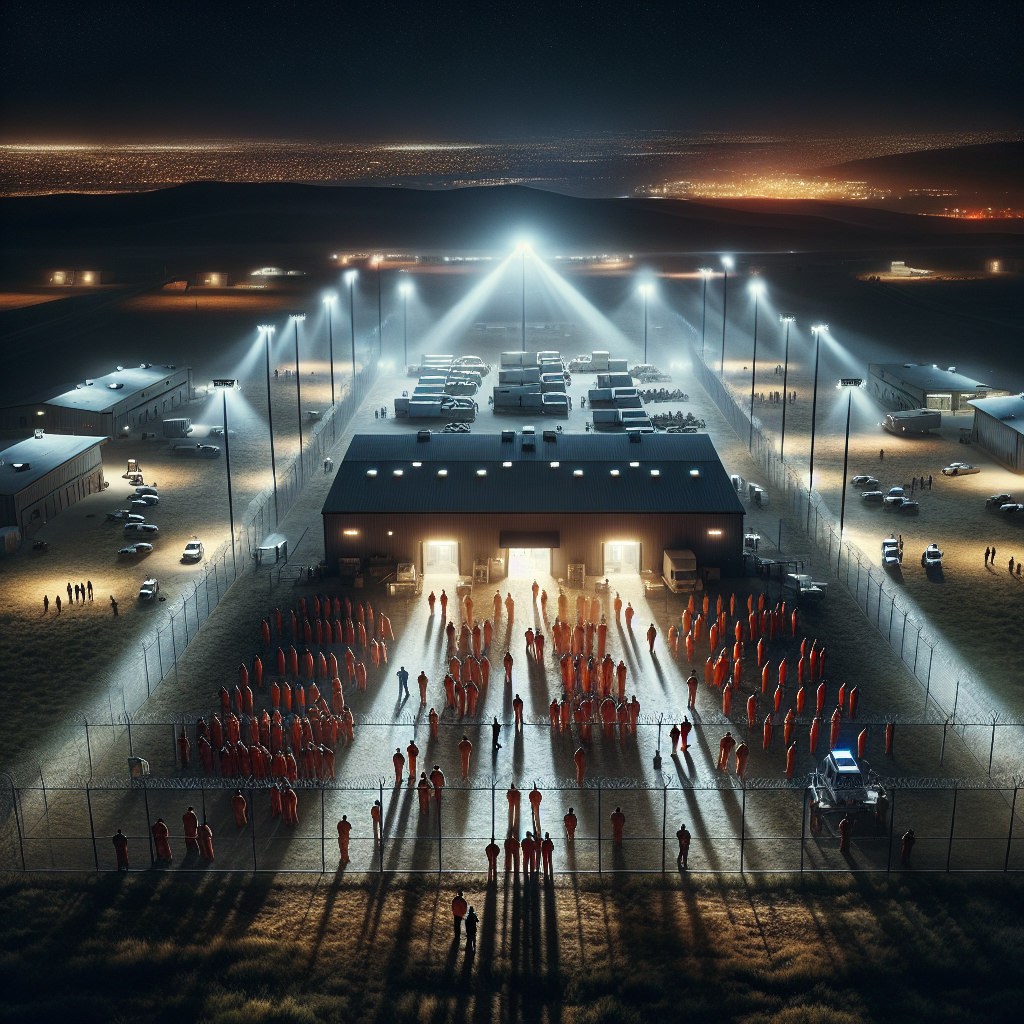
A black sedan hummed under the glare of floodlights outside a detention center in rural Georgia—a world away from the tech corridors of Seoul. Inside, 300 Korean professionals sat restless, uncertain if dawn would mean a forced departure or a last-minute reprieve. Hours earlier, a single phone call from President Trump to federal authorities suspended their repatriation. Why? Because, as he saw it, the American workforce needed their skills more than ever[1][4].
What happened that night wasn’t just a quirk of diplomacy. It exposed a raw, unresolved debate at the intersection of global talent, national borders, and America’s economic ambitions.
When Immigration Becomes Infrastructure
For decades, Silicon Valley and the industrial heartlands alike have depended on a rolling influx of international talent—engineers, machinists, coders. Trump’s unprecedented move to keep detained Koreans in the U.S. was not, at face value, an act of mercy. He reportedly told officials these skilled workers could “contribute to training the American workforce”[1]. In effect: turn a detention center into a boot camp for American reskilling.
American officials, from Secretary of State Marco Rubio to White House aides, rushed to clarify that any plans would “respect Korea’s position”—but the subtext was clear. National security and economic competitiveness were suddenly fused in the crucible of a detention block[1][3].
The Anatomy of the Standoff: How Did We Get Here?
This wasn’t a routine immigration sweep. Most of those held were highly qualified—engineers, technicians, STEM professionals—caught up in a broader crackdown on visa irregularities[4]. But when the list crossed the president’s desk, he saw opportunity in crisis.
The plan, briefly debated at the highest levels, was simple: offer the Koreans a temporary stay. In exchange, they would help train Americans in critical skills—robotics, advanced manufacturing, software troubleshooting—in a system desperate for fresh expertise.
One senior advisor, speaking off the record, described it bluntly: “It’s a modern-day Marshall Plan, but inside our borders.”
The Human Toll: Mina’s Night
For Mina Kim, a mid-30s automation technician, the “choice” felt surreal. She clutched her phone, texting her husband in Incheon updates as rumors swelled—stay and teach, or face the abrupt return home after months in lockup.
“You keep hoping for a hand to reach out, but all you feel is the world deciding your fate,” she says, voice trembling. By night’s end, her cohort was offered the option to leave or remain, pending talks between South Korean and U.S. officials. Most, including Mina, chose to reunite with family—unsure if they’d ever return[1].
Washington and Seoul: Cautious Diplomacy
As news broke, Foreign Minister Cho Hyun conferred urgently with Secretary Rubio in Washington. Cho advocated for the workers’ swift return, citing fatigue and “shock.” The Americans agreed to defer to Korea’s wishes, but the episode left a palpable chill. Had the U.S. crossed an invisible line—turning people into geopolitical assets, even as a stopgap[1]?
The fallout extended well beyond policy circles. Advocacy groups decried the “commodification of immigrants.” Analysts at the Brookings Institution raised red flags: “We’re seeing the politicization of global labor migrate from rhetoric to real lives.”
The Policy Earthquake: Executive Orders and a New ‘Detention Diplomacy’
This wasn’t Trump’s only radical foray into the global hostage dilemma. Around the same time, he signed an executive order designating “state sponsors of wrongful detention”—giving the U.S. new powers to sanction nations that detain Americans[2][3].
Combined, these moves signaled a new logic: migration, labor, and national power are now more entangled than ever.
Ripple Effects: Industry and Individuals on Edge
Inside America’s factories and R&D labs, the “Georgia incident” sparked dominoes. Employers, already desperate for talent, feared broader clampdowns. Korean tech firms reconsidered investments stateside, wary of their workers’ security[4].
At a community level, Korean-American families huddled in church basements, debating if their relatives should risk new job contracts or await calmer waters.
What’s Next? The Question We Can’t Avoid
The Koreans were eventually repatriated, but not before the incident left a deep scar. “This can—and will—happen again if we pretend the world’s skills can be sorted at a border checkpoint,” warns tech labor consultant Jen Chu.
With AI reshaping work and political currents turning, another workforce standoff seems inevitable. In the final analysis, one must ask: When nations treat skilled migrants as bargaining chips, who really wins—and who loses?
FAQ
What happened in Georgia with Trump and detained Koreans?
President Trump halted the repatriation of over 300 skilled Korean nationals detained in Georgia, suggesting they remain to help train the American workforce—before ultimately permitting repatriation after talks with South Korean officials[1][4].
Was the Trump administration’s move legal?
While the president holds significant authority over immigration enforcement and emergencies, such abrupt policy experiments are rare and deeply controversial among legal experts.
How did tech and manufacturing industries react?
Many U.S. employers voiced fears about talent shortages and global partnerships destabilizing, while Korean companies expressed caution about expanding U.S. operations under uncertain worker protections.
Could this ‘workforce detention’ happen again?
Analysts warn it’s possible if labor shortages persist and migration policies tighten further. Executive orders now grant presidents expanded powers in global detention policy[2][3].
Why does this matter for ordinary people?
The struggle over skilled immigrants touches everyone—from the job seeker hoping to reskill, to families caught between two nations’ politics. At its heart, it’s about who gets to build the future.