
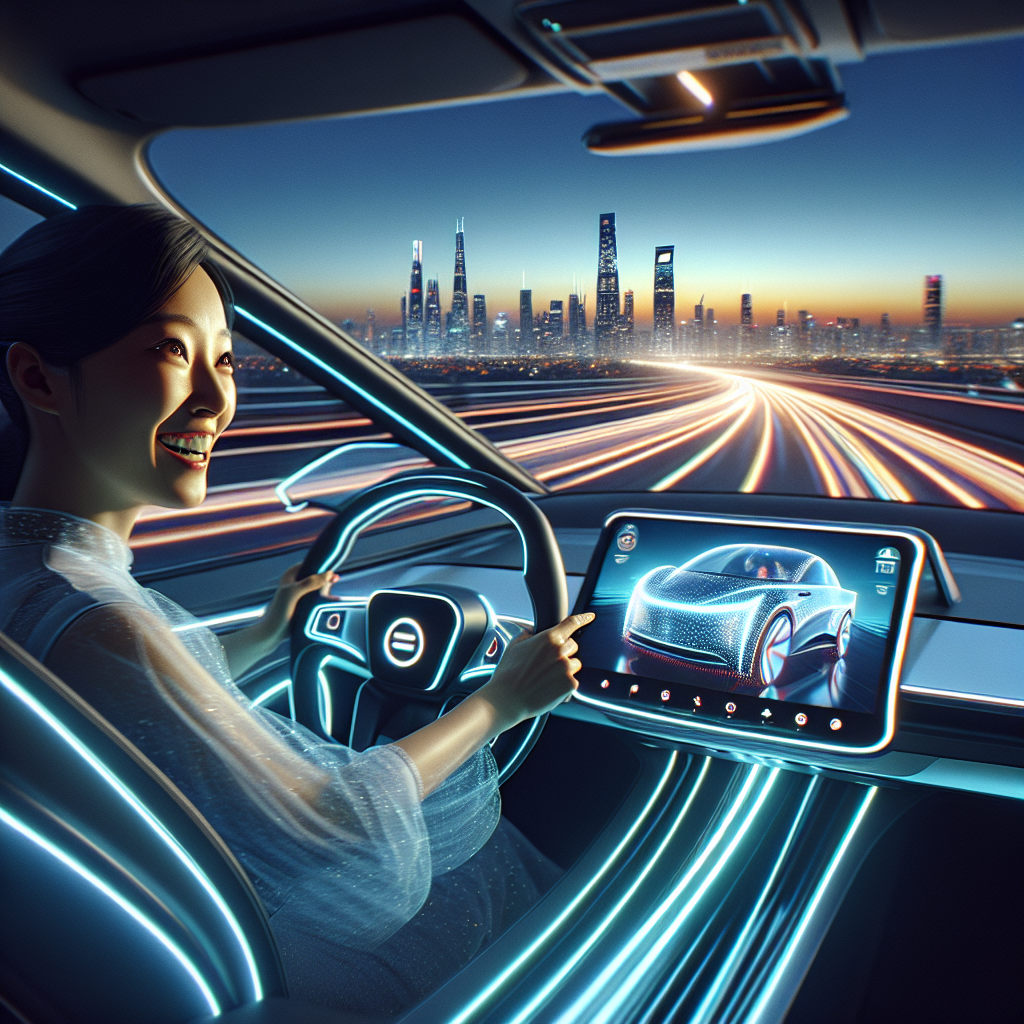
Lights flicker across a late-night highway in Nevada. A silver sedan weaves through the glowing emptiness, dashboard blinking with a secret almost no one knows yet: this electric car can go further, faster, and longer than anything you’ve ever seen. The driver, a quietly rebellious engineer, grins—not because she’ll reach her sister in Utah on a single charge, but because tonight, the world is about to wake up to a battery breakthrough that reads like science fiction.
A Viral Whispers Turns Loud
A Reddit post, quickly upvoted and awash in speculation, claimed a major leap in electric vehicle (EV) battery tech: a battery lasting 600,000 miles and charging in under 10 minutes. With only a handful of details, the internet’s tech sleuths—and car enthusiasts—erupted in excitement, skepticism, and hope.
Why did this story catch fire? For millions, “range anxiety”—the constant fear your battery will run out on the road—remains the EV era’s biggest boogeyman. A car battery that outlives the car itself? The promise goes beyond convenience; it challenges an entire industry built on limitations[1][2].
Beyond the Hype: Why It Matters
In 2025, advances in solid-state battery technology—the kind at the beating heart of this rumor—promised a quantum leap from today’s lithium-ion power sources. Solid-state batteries store electricity more densely, use safer materials, and resist degrading over thousands of charge cycles. They could, in theory, make 500-mile ranges routine and push battery lifespans past half a million miles—enough for most cars’ lifetimes[1][2][3].
Imagine batteries not just for cars, but for everything: your smartphone, your drone, your power tools, all running longer and safer. This isn’t just about range. It’s about environmental impact and the economics of ownership: fewer battery replacements mean less mining, less waste, and cars that last decades instead of years[3].
How It Works: Inside the Innovation
Let’s break down the beating heart of this leap:
- Solid-State Design: Traditional batteries use liquid electrolytes. Solid-state replaces this with a solid material—a simple shift on paper, but a massive scientific hurdle in practice. The result? A battery that’s both denser and less likely to short-circuit or overheat[1][2].
- Thousands of Recharges: Experimental batteries claim to survive over 1,500 charge cycles—meaning 600,000 miles becomes not just possible but probable for the average EV driver[3].
- Lightning-Fast Charging: Thanks to improved thermal and chemical stability, the new batteries can handle powerful charging currents without degradation. Ten-minute top-ups could soon be a reality[2].
Samsung’s Advanced Institute of Technology, for instance, tackled the notorious “dendrite” problem (metal spikes that kill batteries) with silver-carbon layers—making repeated fast-charging genuinely sustainable[2].
Voices from the Frontlines
Maggie Chen, a fictional yet all-too-real single mom in Phoenix, describes her old Nissan Leaf as “a ticking clock” during school runs. “Every day, I’m thinking, ‘Will I make it home without charging?’” she says. But when she test-drives an early prototype fitted with the new battery, that fear dissolves. “It didn’t feel like an electric car anymore. Just a car—one that will be with my family for years.”
Dr. Raheem Omari, a leading EV analyst, notes: “If even half these claims hold, it could collapse the used car battery market and crush the last psychological barriers to EVs[1][2]. The fight is on, not just for miles, but for the future of mobility.”
Governments and Industry React
Governments—ever wary of bold claims—responded differently across continents. The U.S. National Highway Traffic Safety Administration released a cautious statement: “All new battery tech will undergo rigorous safety and lifespan testing before public rollout.” In Europe, where green mandates accelerate every year, officials signaled fast-tracked approvals for pilot programs, targeting emissions targets ahead of schedule.
Meanwhile, Mercedes-Benz, Hyundai, and start-ups across Asia and Europe scramble to announce their next-generation EVs testing these long-range, long-life batteries. Mercedes calls their solid-state project “the holy grail” and promises a production model before the end of the decade[1][5]. Hyundai, aiming for a balance of range and affordability, bets on solid-state for the mass market, targeting everyday reliability instead of headline-grabbing extremes[5].
Shockwaves & Ripple Effects
- Warranties Stretch: Automakers revise battery warranties from 100,000 miles to 500,000—slashing ownership costs and sweetening resale values.
- Chargers Everywhere: With fast charging finally frictionless, highway rest stops and city parking garages invest in super-fast DC chargers, making “fill-ups” a 10-minute pit stop.
- Supply Chain Shifts: Lithium demand wobbles, start-ups in sodium and iron-based chemistries get a second look, and recycling takes center stage[4].
Even ride-sharing giants and delivery fleets eye fleet-wide upgrades, seeing operational costs plummet as battery replacements become history[3].
What’s Next / Could It Happen Again?
The gold rush for the 600,000-mile battery is on. Expect setbacks, recall scares, and—inevitably—disappointment as vaporware is separated from real engineering. But as governments push harder on emissions targets, and global demand for reliable, affordable EVs soars, the direction is clear.
Batteries that last a lifetime are coming. The only real question is: will you be ready to trust your next decade, your family, your road trips to a battery that outlasts your car?
What new dreams (or dangers) might a “forever battery” unlock for our world?
FAQ
Q: What is the new 600,000-mile EV battery technology?
A: It refers to recent breakthroughs in solid-state battery design, promising dramatically increased range, much faster charging, and far longer battery life—potentially reaching 600,000 miles before replacement[1][2][3].
Q: How does it compare to today’s EV batteries?
A: Standard lithium-ion batteries typically last 150,000–300,000 miles. The new tech stretches that by 2x–4x and charges much faster[3].
Q: Who is developing this technology?
A: Major automakers (like Mercedes-Benz, Hyundai), battery giants (Samsung), and start-ups across the globe are racing to commercialize solid-state batteries[1][2][5].
Q: What could this mean for EV prices?
A: Lower running costs, higher resale value, and potentially cheaper batteries down the road—thanks to less frequent replacements and easier end-of-life recycling.
Q: When will consumers see these batteries?
A: Prototypes are being tested now; mass market adoption could arrive by late this decade, depending on the pace of real-world reliability and manufacturing ramp-up[1][5].
Q: Will chargers need to change?
A: Yes, new ultra-fast chargers will be needed to maximize these batteries’ charging potential, but existing infrastructure will remain compatible for slower rates[5].
Q: Where can I learn more about EV longevity and battery life?
A: Look for updates from major automakers, EV news sites, and regulatory agencies as testing results and rollout plans emerge.