
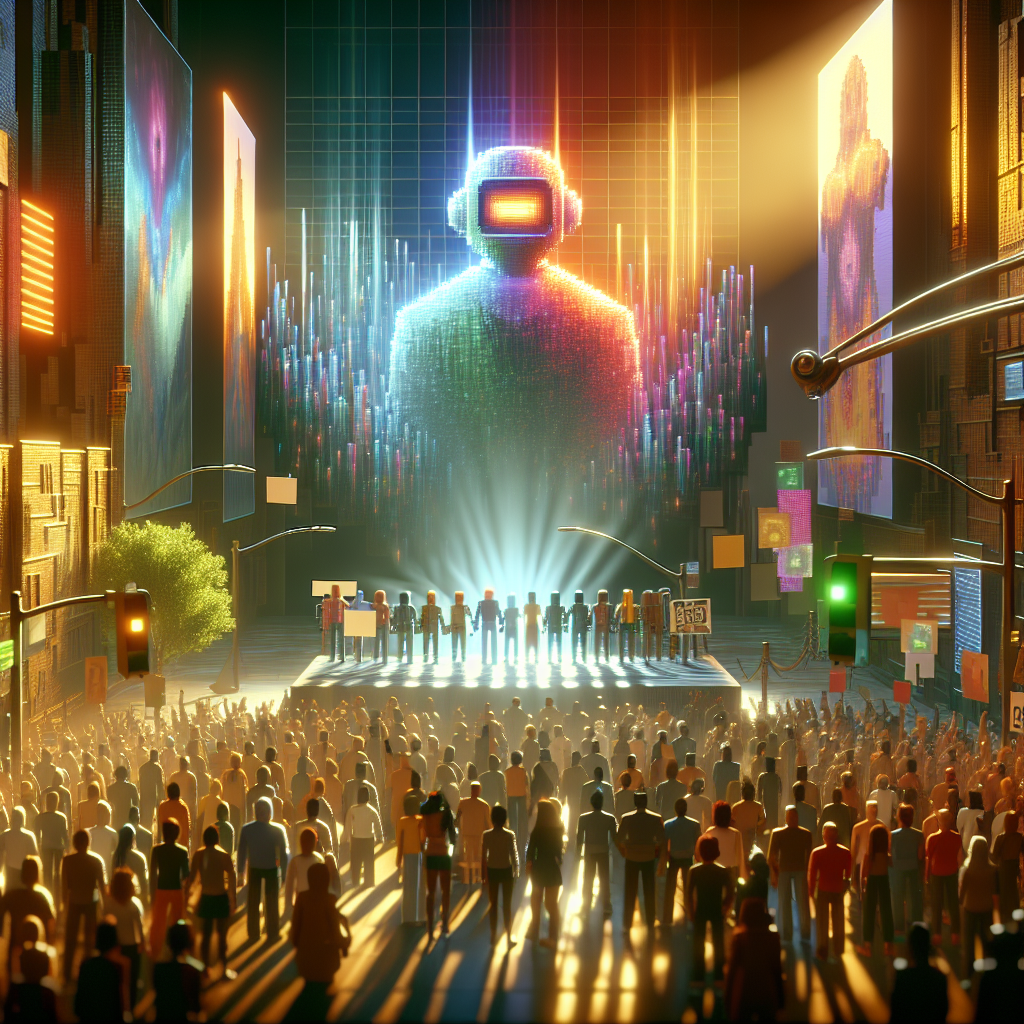
Scene One: The Ban Drops
It was just another Monday morning in Roblox’s sprawling digital universe. Millions of kids zipped through game worlds, avatars bouncing between neon-lit cityscapes and fantastical adventures. But, beneath the surface, tension brewed. In a quiet suburban home, 14-year-old Mia refreshed her favorite Roblox discussion forum, only to see a message that rippled across the community: Roblox would begin removing posts and game experiences reenacting controversial real-world events—from protests to political debates, and even scenes referencing current news[1].
Mia’s heart pounded. For her and millions like her, Roblox is more than a game; it’s where stories about the world are played, shared, and questioned. Suddenly, it felt like part of that world was slipping away.
Why Roblox Is Policing Its Playground
For Roblox, moderation isn’t child’s play. With 97.8 million daily active users—most aged under 18—the stakes are massive[2]. At issue: how to keep young users safe in a world flooded with billions of discussions, memes, and virtual experiences, all shaped by real people. After lawsuits and public pressure about child safety and content risks, the company decided to roll out its most assertive “sensitive topics” policy yet[4].
But what qualifies as sensitive? According to Roblox, it’s anything from polarized viewpoints—like marriage equality or vaccination policy—to hot-button social movements[1]. Think incidents that spark strong emotional reactions, provoke debate, and, in some cases, become lightning rods for online conflict.
As Roblox put it: their goal is safety, civil discussion, and compliance with global regulations. But critics argue: is the cure—removing or restricting hot topics for younger users—worse than the disease?
Inside Roblox’s AI Moderation Machine
The sheer volume dwarfs anything a human team could handle. Roblox’s arsenal now combines:
- Machine learning (ML) models capable of filtering billions of texts, experiences, and assets in real time[2].
- A fresh wave of AI tools designed to spot and block problematic posts before they reach audiences, sometimes within milliseconds[2].
- Thousands of human moderators for cases requiring subtle judgment or context, such as nuanced political content or disputed historical scenes[2].
The system learns constantly. Every flagged item helps the AI evolve. As Naren Koneru, Roblox’s VP of Engineering, explains, “We proactively moderate content… with real-time feedback to users because people don’t always know the rules[2].” When the algorithms aren’t quite sure, humans step in—especially if a parent or government file a complaint.
The new policy automatically blocks games and discussions themed around sensitive topics for users 13 and under, unless parents manually switch off the filter[1]. Roblox now even verifies user IDs for access to adult-only spaces, limiting private chats in virtual bedrooms or clubs to the oldest players[4].
The Human Cost: Stories from the Community
For Mia, it’s not just about missing a game—it’s missing a story. Like her, many families use Roblox as a space to explore real-world questions safely. Parents and kids debate vaccine policies with avatars or reenact historical moments inside the virtual sandbox[1].
But now, creators like Miguel, who built a Roblox simulation explaining civil rights protests, face a dilemma. “I wanted kids to learn,” Miguel shares. “But with these new rules, my work disappears for half my audience.”
Such testimonies underline the platform’s double-edged sword: in its zeal to protect, it risks silencing.
Expert Voices: Between Safety and Censorship
Tech analysts, digital rights advocates, and even some government bodies weigh in:
- Dr. Lena Patel, child safety researcher: “Roblox’s intent is noble, but young minds need exposure—not isolation. Over-filtering breeds ignorance.”
- Roblox’s own policy team: “Our filters only block experiences by default. Parents keep control—every filter can be switched. We’re not taking a stance, just protecting.”
- Regulatory bodies: Some praise the move’s speed and AI sophistication, especially after high-profile lawsuits. Others warn that global values differ; a “sensitive” topic in one country might spark controversy in another[4].
Industry Ripple Effects
Roblox’s decision sends shockwaves beyond gaming. Other platforms—Minecraft, Fortnite—watch closely. Could AI moderation become the industry norm, reshaping how kids experience digital worlds?
Meanwhile, Roblox developers rally for transparency and finer controls. Forums explode with debate: “Why lump prayer in schools with civil rights?” asks one post seen by thousands[1]. Calls for customizable, granular filtering grow louder.
What’s Next: Will the Ban Stand, and Could It Happen Again?
Roblox promises continuous improvement, testing AI accuracy against human judgment and refining its sensitive topics list[2]. But the pushback is real. Developers want clearer guidelines, parents want flexibility, and kids… just want their worlds back.
Will the pendulum swing, or will tighter moderation become the new normal? As Roblox’s algorithms get smarter, they may handle nuance better—allowing education without exploitation, debate without danger. But for now, digital freedom’s future remains fragile.
So, we ask you: Will AI moderation deliver safer, smarter worlds—or create new barriers to digital expression?
FAQ
How does Roblox content moderation work?
Roblox uses advanced AI-powered moderation and thousands of human reviewers to filter billions of messages, games, and experiences daily for safety[2].
What types of Roblox experiences are now blocked or restricted?
Experiences depicting sensitive real-world events, polarized viewpoints, or strong emotional topics—like protests, marriage equality, or vaccination—are automatically banned for users under 13, unless parents change the settings[1].
Can parents control what their kids see on Roblox?
Yes. Parents can adjust sensitive topic filters or grant access, but the new system defaults to blocking such content for children[1][3].
Why is Roblox removing posts and games about real-world events?
To comply with safety concerns, lawsuits, and global regulations, and to prevent potential harm or controversy among young audiences[4].
What do developers and creators say about the new policy?
Many worry it limits creativity, stifles important conversations, and lacks granularity, pushing for more customizable moderation options[1].
Will AI moderation become the standard for all online platforms?
Given Roblox’s scale, other platforms are watching closely, and similar moderation approaches may follow—especially as AI grows[2].