
A Shockwave at Dawn
It started with a headline that stopped millions in their tracks: RFK Jr. says CDC will no longer recommend COVID-19 vaccine for healthy children and pregnant women [3]. The date was May 27, 2025. The air in Washington pulsed with tension. In kitchens, clinics, and Congress, parents gripped their phones and experts stared at their screens. The decision — set against a backdrop of rising cases in 45 states [3] — would fracture a nation already raw from pandemic fatigue.
The Announcement That Changed Everything
Robert F. Kennedy Jr., freshly installed as Secretary of Health and Human Services — an appointment itself mired in controversy [3] — broke the news on X. The Centers for Disease Control and Prevention (CDC), he declared, would narrow its COVID-19 vaccine guidance. No longer would healthy kids or pregnant women be routinely encouraged to get the shot. The new recommendation covered only those over 65 and people with existing health risks [1][2][3].
Pediatricians, public health officials, and families felt a jolt. For the first time since 2021, America’s vaccine strategy was veering sharply from the rest of the developed world.
How Did We Get Here? A Collision of Science and Politics
To understand this decision, picture the newly reshuffled vaccine advisory committee. Once anchored by an array of career immunologists and public health veterans, it was now helmed by Kennedy’s own appointees, several openly skeptical of mainstream vaccine science [2]. The previous 17 members had been dismissed in what one expert called “a seismic shift in U.S. public health leadership” [2].
Behind the scenes, the U.S. Food and Drug Administration (FDA) had already set the stage. In late August, they restricted emergency use of the new COVID-19 booster to those 65 and up, plus anyone with health conditions that make the virus more dangerous [2][4]. The CDC, typically following the advice of its advisory panel, echoed this position. This meant millions of healthy young Americans — children, teens, pregnant women — would no longer see COVID vaccination recommended for them.
Why It Matters: More Than Just Policy
For most, the rhythm of pandemic living had faded. But risks — and stakes — still lingered, especially for the youngest and oldest among us. According to the American Academy of Pediatrics (AAP), mRNA vaccines had cut emergency room visits for young children nearly in half during the last flu season, without raising safety red flags [2]. The AAP called the new CDC stance “deeply troubling,” especially for babies and toddlers at risk of severe COVID [2].
The move also sent insurance companies retreating. Where vaccines were once universally covered, the absence of a CDC recommendation now meant many families faced $200 bills for a shot — if they could get one at all [4]. In many states, a doctor’s prescription became mandatory for anyone under 65, healthy and seeking the booster [4].
A Family in the Crosshairs: The Lopezes’ Dilemma
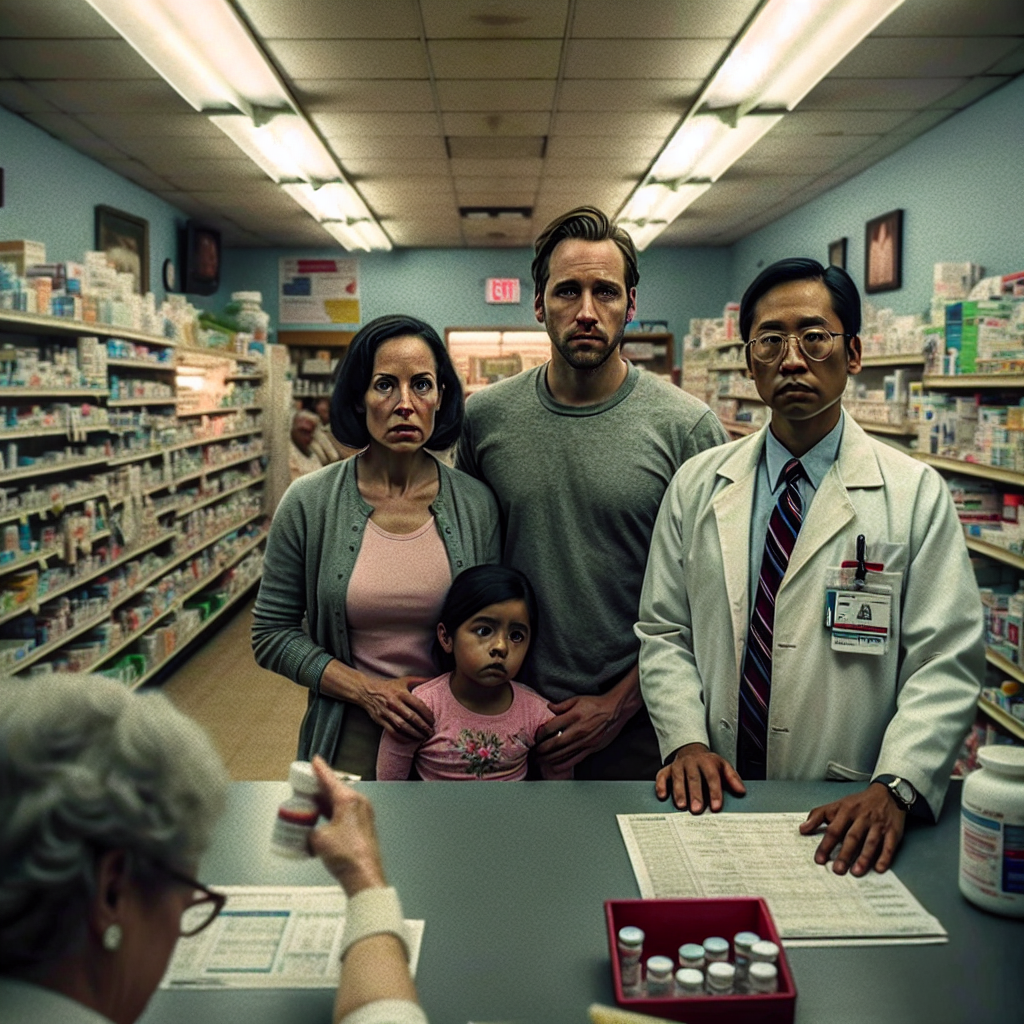
After dinner in their modest Denver apartment, the Lopez family debated: should they try to get their eight-year-old daughter her booster, even if it meant paying out-of-pocket and battling skepticism at the local pharmacy? Maria Lopez, an ICU nurse, felt the weight. “She’s already missed enough school,” she sighed. “But what do we do now when the CDC says it’s not needed?” Her husband, a teacher, pulled up the AAP statement. “Maybe we trust the pediatricians?”
Their quandary mirrored that of millions: left between government fiat, insurance loopholes, and the advice of frontline doctors.
Outcry, Protest, and the Science Dispute
Medical associations and advocacy groups moved swiftly. The AAP published its own, independent vaccine guidance — a rare breakaway from federal recommendations — urging shots for all kids over six months [1][2]. Infectious-disease experts warned this could spark state-level chaos, with each local health agency now guessing which advice to follow [2].
“My biggest fear,” said Dr. Andrew Pavia, a top public health expert, “is confusion: one group told vaccines protect, another says ‘not worth it.’ That uncertainty breeds mistrust — and mistrust turns into real-world harm” [2].
Some lawmakers grilled Kennedy in the Senate, questioning if his decision had less to do with emerging science, and more to do with ideology [4]. Elizabeth Warren, voice rising in a televised hearing, pressed: “If you don’t recommend, then families can’t get covered, and kids pay the price” [4].
The Ripple Effects: Pharmacy Counters and Living Rooms
Within weeks, pharmacies reported steep drops in pediatric COVID booster appointments. Insurance companies quietly delisted the shot for most under-65s. In urban centers, marginalized communities — already hardest hit by the pandemic — faced the brunt. The CDC, meanwhile, insisted anyone who chose to could “still get the booster … after consulting with their doctor,” a claim experts called “misleading” given the new out-of-pocket barriers [4].
States began setting their own rules, creating a patchwork landscape of access. In some, demand surged for doctor-signed prescriptions. In others, confusion and misinformation reigned.
What’s Next / Could It Happen Again?
As the newly reconstituted advisory panel prepares to meet again this fall [2], eyes are on whether further restrictions—or surprise reversals—might follow. If one public health norm can tumble so quickly, what’s stopping another? In a world where trust in science is precious and fragile, could this controversy mark a turning point in who Americans believe — and why?
Will vaccine access become the next major political battleground, or can communities reclaim the power—and information—needed to make their own health choices?
FAQ
Q: Why did the CDC change COVID vaccine guidelines for healthy kids and pregnant women?
A: Following new FDA limitations and leadership by RFK Jr., the CDC scaled back recommendations to focus on those over 65 or with high-risk health conditions [2][3][4].
Q: Can anyone under 65 still get a COVID-19 vaccine?
A: Technically yes, but healthy people may need a doctor’s prescription and insurance coverage is no longer guaranteed [4].
Q: How are pediatricians and medical associations responding?
A: Groups like the AAP are issuing their own guidance, calling for expanded access to vaccines for all eligible children [1][2].
Q: What impact will this have on families?
A: Many may face out-of-pocket costs and uncertainty about where and how to get their children vaccinated [4].
Q: Could other vaccines be affected by similar decisions?
A: Public health experts are concerned that future votes by Kennedy’s hand-picked panel may further restrict recommendations for other vaccines [2].