
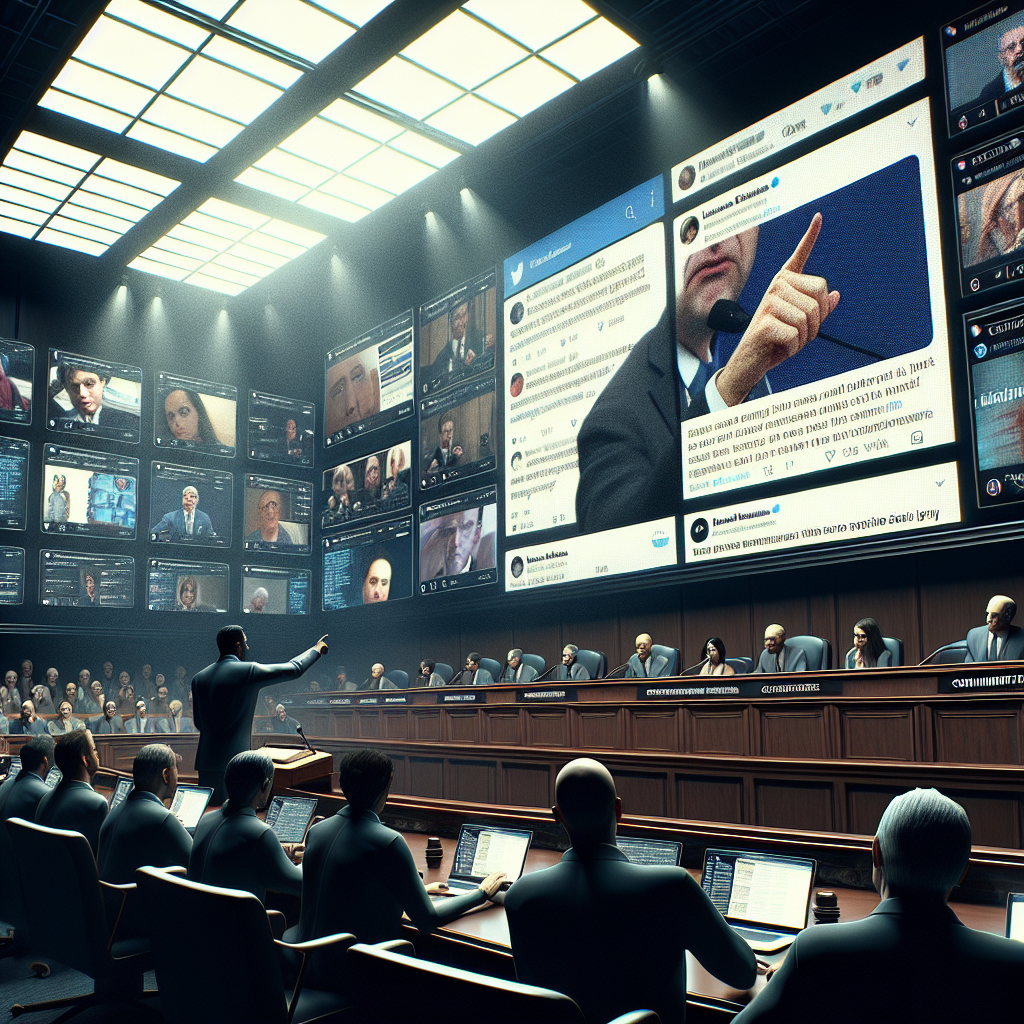
A Knock at Midnight: The Post That Shook Tech and Politics
It’s Wednesday. The glow of laptops bites through the dark in college apartments across America. Screens flicker with news: Charlie Kirk, conservative firebrand, has been gunned down while debating gun violence at Utah Valley University[2][3]. The hashtags begin — #RIPCharlieKirk, #SpeechMatters, #CancelHate. And then, like a thunderclap in the digital fog, Rep. Clay Higgins launches the kind of post that makes even the most jaded Redditor blink twice:
“I’m going to use Congressional authority and every influence with big tech platforms to mandate immediate ban for life of every post or commenter that belittled the assassination of Charlie Kirk… those profiles must come down[1][2][3].”
For a moment, time slows. A Congressman’s promise to scour the internet, erase “unacceptable” voices, and blacklist the offending humans from schools, business, even their driver’s licenses. This is America’s cancel culture — not from the crowd, but from the Capitol.
The Flip: When Free Speech Goes Boom
The irony is cinematic. Just two years before, Higgins stood as a loud crusader for free speech, co-sponsoring a bill to prevent government censorship[1]. Quoting the First Amendment like scripture, he said, “The American people have the right to speak their truths… We must continue to uphold the First Amendment as our founding fathers intended[1].”
Now, Kirk’s slaying cuts deep; Higgins is out for retribution, demanding the lifetime digital exile of anyone mocking, celebrating, or diminishing Kirk’s death[2]. Not just a ban, but annihilation: social profiles erased, business permits denied, academic access canceled, and yes, even government-issued driver’s licenses revoked[1][2][3].
For those who loved Kirk, grief curdles into outrage. Libs of TikTok, notorious for online “doxxing” campaigns, begins spotlighting anyone showing cruel “glee” about Kirk’s end[2]. Some are even targeted in a new “war on liberals.” The engine of cancellation is running hot.
How The (Un)Freedom Machine Works
What does it mean to cancel someone “with extreme prejudice”? It’s more than deleting a tweet. Higgins’s vision aims to leverage congressional power — or at least the threat — to pressure tech giants into imposing permanent bans across all platforms[2][3]. He wants allied regulators to pull business licenses or revoke privileges for supposed offenders[1].
Technically, this is jawboning — when officials strongarm private companies into doing what the government can’t legally do itself, like deleting protected speech. In plain English, it’s unconstitutional, colliding head-first with the First Amendment[3].
But the gears of government are running fast. Some lawmakers — like Anna Paulina Luna — want to scrub graphic videos of Kirk’s murder from social media[2]. She writes, “No one should be forced to relive this tragedy online.” Others, like Lauren Boebert, agree. But one lone voice, Lily Tang Williams, pushes back: “Freedom of speech includes content we don’t like or hate[2].”
Expert Eyes: What The Pros Say
Legal analyst Anita Rao, J.D., says, “This is government overreach at its purest. The First Amendment exists so unpopular, even offensive speech, doesn’t get silenced by officials who dislike it.”
Tech ethicist Marcus Tran adds, “If this precedent lands, the chilling effect will be nuclear. Disagree with policymakers and you risk losing not just your Twitter, but your livelihood. The internet becomes less a marketplace of ideas than a sanitized museum.”
A Human Face: The College Roommate Who Couldn’t Look Away
Imagine Aisha, a sophomore at Utah Valley, waking up to find her roommate’s comment — “Kirk’s brand was hate. Good riddance.” Within hours, the roommate is banned from every major platform. Her part-time job rescinds her offer, citing “public relations risk.” Her scholarship committee calls for a review. Suddenly, the ghost of her digital moment threatens her real-world dreams.
“I was angry at the shooter,” Aisha says. “Now I’m scared by how quickly someone’s life turns for speaking. Who gets to decide what’s too ‘mean’?”
Ripple Effects: Shockwaves, Backlash, and Mobilization
Communities online and off erupt. Free speech advocates mobilize, warning this is “the dystopia we were always warned about.” Conservative legal groups file briefs; progressive activists launch petitions. Tech firms, caught in the crossfire, stall on enforcement, fearing public fury — and lawsuits. Reddit, X, and even TikTok issue cautious statements about “the complexity of balancing safety and speech.”
Republican attorneys general, once fierce critics of social media censorship, face a contradiction[3]. Can they support speech when it suits them, but silence when it stings?
What’s Next / Could It Happen Again?
America is standing on a fault line. The urge to punish cruel speech after tragedy is powerful. But officials weaponizing government power against internet users? That shakes the bedrock of the First Amendment.
Will tech giants bend, setting a precedent of permanent life bans for unpopular opinion? Will lawmakers double down, making “offensive speech” a cause for losing your job, right to drive, or place in school?
The world watches, nerves frayed. If outrage decides who gets erased from public life, what happens when your opinion is next?
FAQ
Q: How could Rep. Clay Higgins ban someone from the internet for life?
A: Technically, Higgins cannot legally enforce a lifetime internet ban; the First Amendment prevents the government from penalizing protected speech. His strategy relies on pressuring private tech companies to enact bans, but using congressional influence this way is widely considered unconstitutional[1][3].
Q: What is the attack vector for canceling people online?
A: The “attack vector” is congressional jawboning — government officials pressure social media companies to implement bans, blacklist users, and restrict business licenses for controversial posts[1][3].
Q: What ripple effects could tech censorship have on free speech?
A: Policies that punish unpopular posts can stifle dissent, create chilling effects, and blur the line between hate speech and legitimate criticism, harming both democracy and discourse[2][3].
Q: Has cancel culture reached government enforcement?
A: This case is unique because it’s a government official advocating cancellation, not citizen-driven social media mob action, raising major constitutional questions[3].
Q: Could a similar ban happen in other countries?
A: Yes, some nations already enforce strict controls on online speech; if the U.S. shifts toward such enforcement, global norms for free expression may change.