
The Unboxing Heard Around the World
It started like any epic modern tech tale: in the glow of a midnight monitor, a lone Redditor named EssDee3D sliced open a package that promised dreams—the brand-new Nvidia RTX 5090 Founders Edition, the most coveted graphics card of 2025. But as the anti-static bag slipped away, what he found wasn’t just a piece of silicon; it was the beginning of internet outrage, confusion, and an urgent wake-up call for anyone who invests in high-end hardware[1][3].
From the moment EssDee3D posted to Reddit, fingers flew across keyboards. Was this a scam, a mislabel, or the first sign that even tech giants could fumble with their flagship products?
When Hype Meets Reality: What Went Wrong?
For weeks, rumors had swirled around the RTX 5090 launch: limited stock, scalpers circling like sharks, and prices ballooning to $7,000 for certain listings[2]. But inside EssDee3D’s box lurked something stranger than market madness—a graphics card labeled “5090,” but underneath it, the hardware tested out as the RTX 5080, a model half the price, nearly half the power[1].
The Nvidia Founders Edition cards look nearly identical: the same sleek gunmetal heft, the same ports, the same aura. It’s surprisingly easy for packaging and assembly lines to trip up when the visible difference is almost nil[1]. But the discord sent shockwaves. If an enthusiast, armed with knowledge and anticipation, could receive the wrong product, what about the rest of us? What does that say about the systems meant to protect buyers—the very people who keep these companies thriving?
The Anatomy of a Meltdown: Power, Performance, and Risk
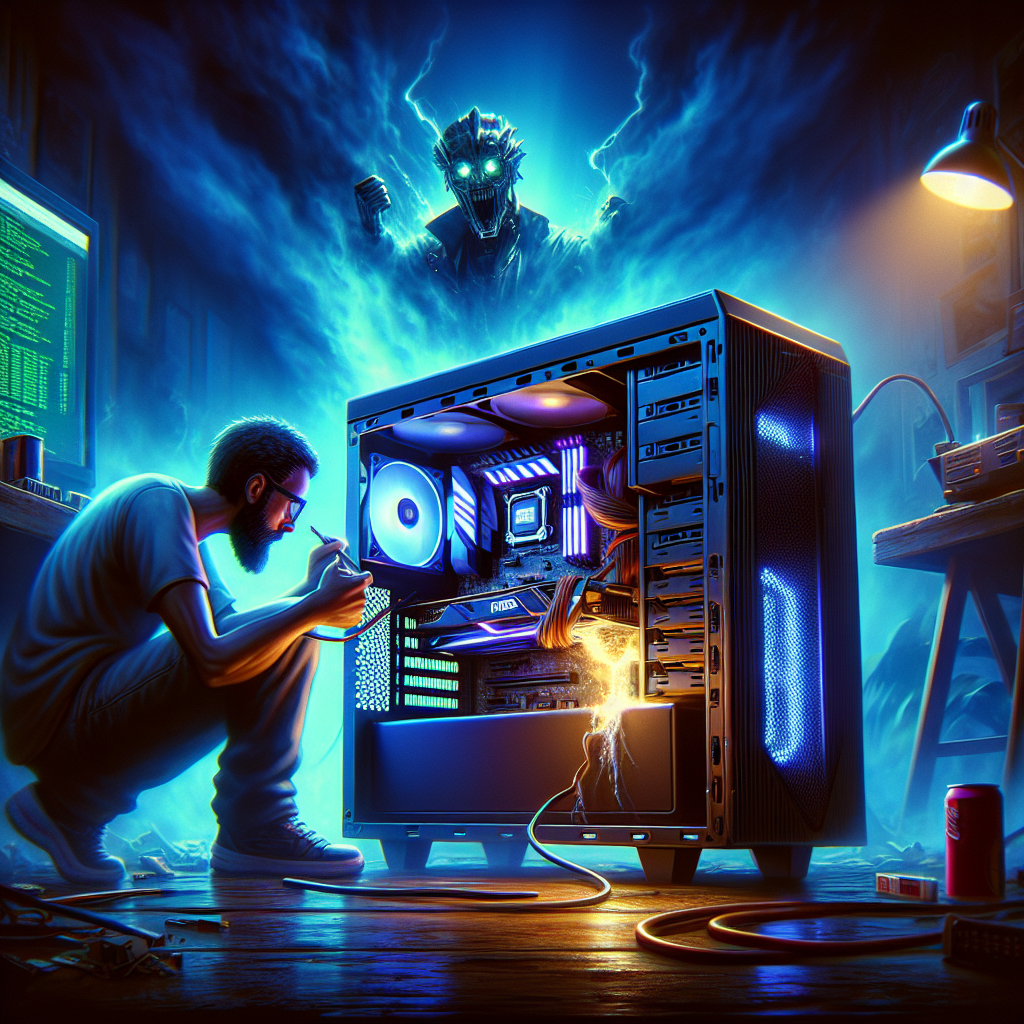
And here’s where the story darkens. Right as the community debated mislabeled cards, a more menacing issue emerged: reports began surfacing about melted power connectors on genuine RTX 5090 Founders Edition GPUs, reminiscent of the nightmare that plagued the previous RTX 4090 generation[1][3]. Analysis by respected hardware experts revealed a flaw in Nvidia’s own board design:
- All those power wires running into the card weren’t balancing their load. In some cases, a single wire was shuttling more than half the card’s firepower, heating up dangerously while the rest lay dormant[3].
- Even with improved connectors rated for heavy wattage, several tests found power sockets hitting 140°C—enough to melt plastic and shatter user trust[3].
Unlike custom cards built by Nvidia’s partners—some of which use “per-pin power sensing” to distribute energy safely—the Founders Edition apparently skipped this safety net, running a risky config that left enthusiasts and industry analysts stunned[3].
Expert Voices: How Could This Happen?
“Consumers pay a premium for flagship hardware expecting not just performance, but reliability,” said Dr. Lena Ko, a tech quality control analyst based in San Francisco. “These incidents are a reminder that innovation must be matched with rigorous engineering standards, especially at these price points.”
Governmental bodies, including the EU’s Consumer Protection Board, issued advisories. “We urge manufacturers to provide transparent documentation and immediate remedy pathways for affected customers,” the statement read. Social media blew up with hashtags like #Melted5090 and demands for Nvidia to respond, as local news reported frustrated buyers lining up outside retail stores, trying to return their expensive investments.
Through the Eyes of a Gamer
Picture this: Rae, a mid-level designer and gaming enthusiast in Berlin, saves for months, clicking refresh all night to grab an RTX 5090 on launch day. The excitement is palpable—this GPU is supposed to be a ticket to creative freedom and competitive gaming glory. As Rae installs the card, their PC blinks out, the sweet smell of melted plastic wafting from the chassis. Hours of troubleshooting, lost work, and a bitter sense that the cutting edge, sometimes, cuts both ways.
The Industry Reacts: Scramble and Accountability
Nvidia, slow to respond at first, eventually acknowledged the incidents, urging users to check their cable seating and offering limited replacements. Rival manufacturers quickly adjusted designs to include extra safety features, and online forums filled with guides on how to avoid becoming the next victim.
Retailers, bruised by the reputational blow, enforced stricter return policies, while hardware review sites ramped up scrutiny. Demand for the RTX 5090 stayed frenzied—but buyers grew wary, hungry for transparency[2].
What’s Next / Could It Happen Again?
Stories like these become viral modern folklore. Will Nvidia correct its course and restore trust? Can hardware innovation keep pace with the razor-thin margin for error in today’s hyper-connected market?
With component scarcities, competitive launches, and the push to greater performance, these issues aren’t likely to disappear. For every leap in power, there’s a new vulnerability—making buyers, companies, and regulators partners in a high-stakes game.
So as the dust settles, what would you do? Brave the launch day chaos, or wait for the fixes and clarity that early adopters often pay to provide?
FAQ
Should I buy an RTX 5090 Founders Edition right now?
Buyers should be cautious: early models have reported power connector issues and stock shortages leading to inflated prices. Consider waiting for confirmed fixes[2][3].
What does “Founders Edition” mean?
It refers to Nvidia’s official, in-house version of the graphics card—not third-party variants.
How much does the RTX 5090 Founders Edition cost?
MSRP is $1,999, but third-party sellers often charge much more due to low supply[2].
Why are power connectors melting on some RTX 5090 cards?
A board design flaw sometimes causes uneven distribution of power, making parts of the connector dangerously hot[3].
Are mislabeled cards common?
No, but at least one reported case shows assembly errors can happen, stressing the need for buyer vigilance[1].
What alternatives are there to the 5090 Founders Edition?
Partner-manufactured RTX 5090, RTX 5080 cards, or high-end AMD GPUs are worth considering.
Will Nvidia issue a recall or fix?
Thus far, only limited statements and fixes have been offered; industry analysts expect improvements in future batches.