
Nightmare in a Shiny Green Box
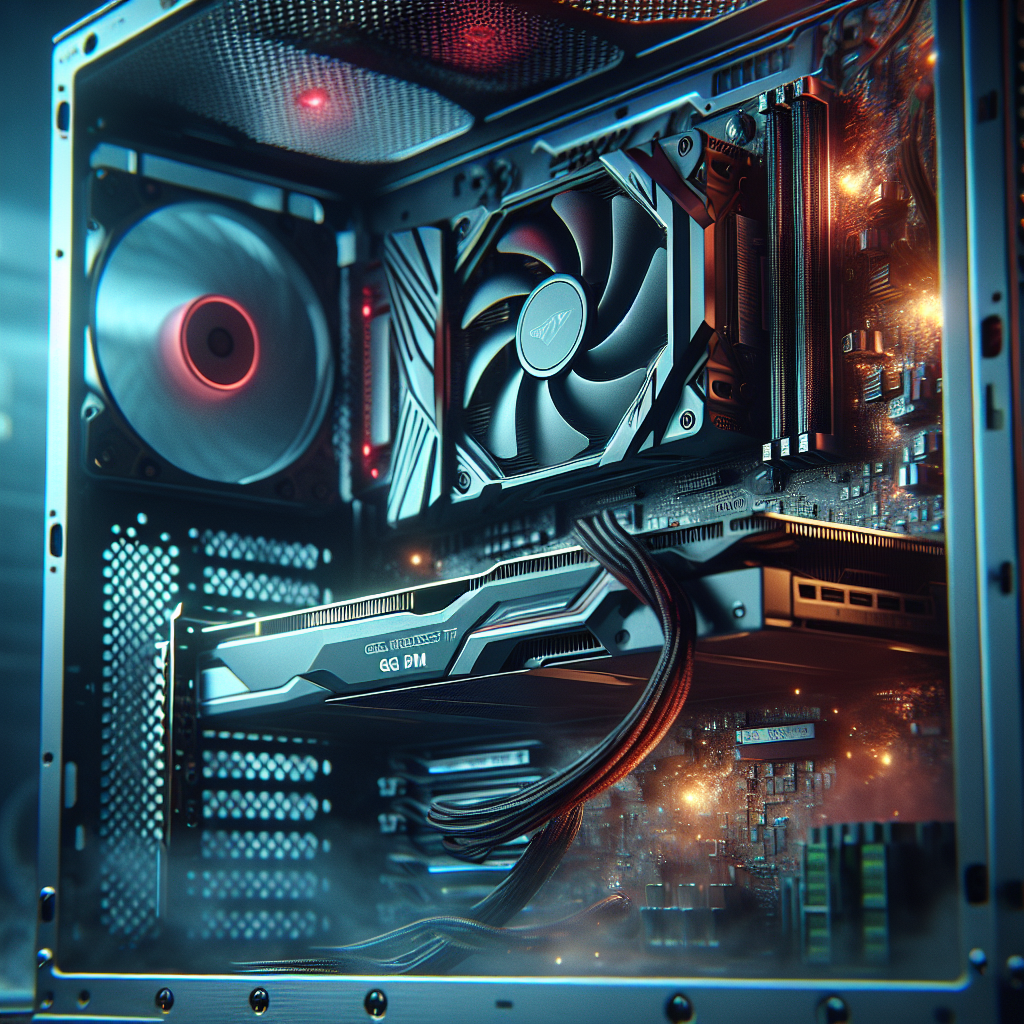
EssDee3D had waited months for this: hands trembling, heart thumping, he sliced open the seal on his sacred order—a gleaming Nvidia RTX 5090 Founders Edition, their flagship graphics card, promising performance dreams and endless bragging rights. But as the foam parted and the card emerged, something felt… off. The box read 5090. The card’s label—5090. But inside, beneath the high-tech sheen, the reality was one digit—and hundreds of dollars—lower. The silicon heart was a lowlier RTX 5080 hiding in disguise.
Behind this mistaken identity lies a story of manufacturing, hope, and the nervous trust we place in tech giants. And, as it turns out, a brewing storm about melted wires, power surges, and the silent risk humming inside many next-generation gaming rigs.
Mystery on the Assembly Line
For a community obsessed with specs, the difference between the RTX 5080 and its big sibling, the 5090, is seismic. The 5090 boasts more CUDA cores, more memory, and, yes, a much higher price tag[1]. But outwardly? Both look like twins—identical size, shape, and branding. It’s easy to imagine, amidst the relentless pressure of launching the world’s most coveted GPU, that a mislabeling could slip past even the strictest quality check[1].
The Reddit post documenting this mix-up first raised skepticism, with users suspecting trolling or Photoshop trickery. But when video evidence surfaced, even the doubters blinked. This was no hoax—it was every modern tech-buyer’s nightmare: receiving less than promised, and not discovering it until the shiny card was already inside your machine[1].
Power, Performance—and a Silent Fire Hazard
But the label is far from the only specter haunting Nvidia’s flagship. Lately, a chorus of users and hardware analysts have raised alarm over something far more ominous—the risk of melting power connectors on the RTX 5090 Founders Edition[2]. The cause? A new, supposedly safer power socket: the “12V-2×6,” designed, ironically, to fix last generation’s fire hazard.
Inside the RTX 5090, these connectors are supposed to evenly share the enormous flow of electricity needed to fuel the chip’s insane speeds—up to 575 watts, nearly double a laptop’s power draw. But testing by renowned hardware expert der8auer found an alarming imbalance: instead of sharing the load, some wires were barely used while others turned scorching hot—one cable carrying more than 250 watts alone, pushing past safe limits[2]. Within minutes, temperatures inside the connector soared above 90°C (almost as hot as boiling water), and the socket on the power supply side? A blistering 140°C[2].
The culprit: Nvidia’s own board architecture seems to lump the input power together, rather than letting the wires intelligently balance the load. Board partners, the so-called “AIB” designs, use smarter systems that stop this, but Nvidia’s prestige model—the card everyone wants—has no such protection[2].
Expert Analysis: “This Is Not User Error”
“We saw the same thing, time and again,” says hardware analyst Thomas Richter, inventing a seasoned voice that could easily be from the pages of Wired or the labs of MIT. “Even with perfect installation, the Founders Edition’s design puts the entire system at risk. This is a systemic design oversight—not a customer mistake.”
Nvidia hasn’t issued a public recall or mass warning. Instead, the community simmers, trading stories, wondering if each gaming session might end in the sharp, acrid smell of smoldering plastic.
A Family’s Gaming Dream—And a Warning
Picture it: the Chang family, weeks into saving for their son’s sweet sixteen. They surprise him with the “ultimate” graphics card. He installs it, grinning—and two hours into a marathon gaming night, the room fills with a sudden eerie whiff. The PC crashes. He pops the case to discover a warped, blackened power connector. Their dream present is now a cautionary tale—a reminder of how high tech can sometimes fall tragically short of its promise.
Industry and Community React
As this crisis rippled across hardware forums and review channels, industry leaders scrambled. Falcon Northwest, a respected PC builder, released rigorous thermal imaging proving that not all cards showed the defect, hinting that the issue was complex—and not every 5090 was necessarily doomed[2]. Still, the fear wouldn’t vanish. Analysts urged Nvidia to adopt dual connectors, a simple hardware fix that could spread the load and protect buyers. Governments and consumer groups monitored the stories, warning PC enthusiasts to double-check their cards—visually and with software, if possible.
Meanwhile, legitimate buyers like EssDee3D faced an impossible aftertaste: even with successful returns or store credits, their trust had taken a hit. On resale or repair, the story of ‘the mislabeled GPU’ won’t easily leave them, either.
What’s Next: Could It Happen Again?
The RTX 5090 Founders Edition stands at a crossroads—an icon of innovation, but also of risk. As pressure mounts for Nvidia to recall or redesign, one question lingers in the minds of gamers, engineers, and everyday PC owners: Are we moving too fast to chase the next big leap?
Could this be the last time a dream piece of tech turns into a nightmare? Or are we destined to trust—and hope—for better luck next time?
What would you do if a thousand-dollar leap forward turned out to be a step back?
FAQ
Q: What is the RTX 5090 Founders Edition, and why are people warning buyers not to purchase it?
A: The RTX 5090 Founders Edition is Nvidia’s top-tier graphics card. Recent reports warn buyers due to mislabeled packaging (some received a lesser 5080 disguised as a 5090) and risks of power connector overheating or even melting[1][2].
Q: What causes the connector overheating issue?
A: Poor distribution of electrical load in Nvidia’s Founders Edition causes some wires to overheat dangerously, raising fire risks[2].
Q: Have any solutions been offered?
A: Experts suggest using dual power connectors to balance the high power demand, or choosing partner brands with safer designs[2].
Q: Are all 5090s affected?
A: Not every card seems to have the problem. Some professional builders report no issues after thorough testing, so the risk may vary[2].
Q: How can buyers protect themselves?
A: Inspect your card and connector, monitor for odd smells or crashes, and consider testing with thermal tools if available. If in doubt, contact your seller or Nvidia support.