
The Incident That Changed Border Security Forever
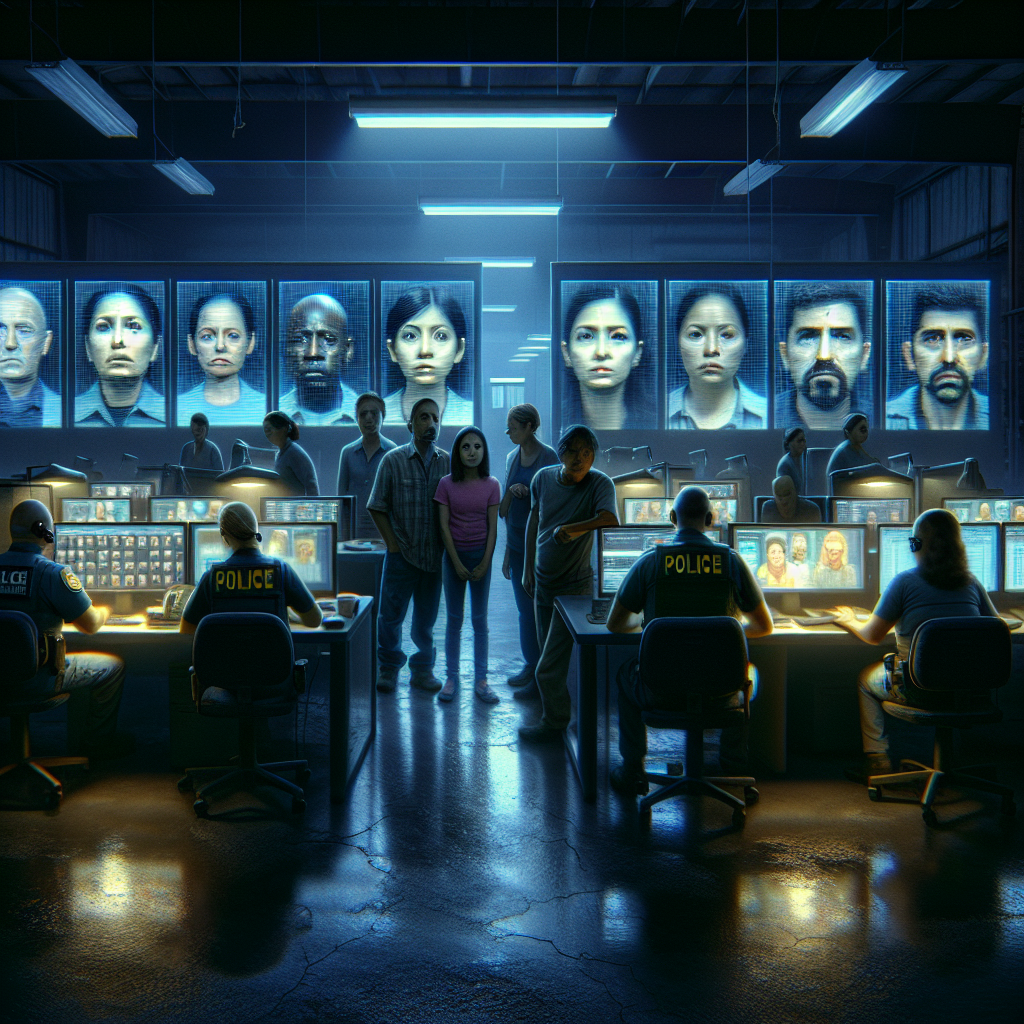
Picture this: Early morning, Spokane. A border patrol agent sits in the glow of his monitor, coffee cooling beside him. One photo — snapped from a gas station’s security cam — uploads into Clearview AI’s database. Seconds tick by. Suddenly, names, addresses, social media profiles flicker onto the screen. The chase is on. The agent now knows exactly who to look for — and where. This isn’t science fiction. This is surveillance in 2025, funded by a $3 million ICE contract with Clearview AI[2][1].
Why Are We Here?
Clearview AI, once just another tech startup, now powers a growing surveillance network stretching across America’s borders. Recent contracts mark the first time the U.S. Border Patrol has signed public, direct deals with Clearview — $45,000 for visual intelligence in Spokane and Yuma sectors — but these pale beside ICE’s sprawling $2.3 million purchase order for enterprise licenses[1][2]. The rationale? According to procurement documents, “Only Clearview AI, INC.’s technology can meet all requirements to help generate high-quality investigative leads, gain intelligence, disrupt crime, and enhance public safety[1].” That’s market-speak for a radical new edge in border enforcement.
How Does Clearview AI Work?
Imagine Google Search for faces. Clearview’s tool scrapes billions of publicly posted photos from social media, news sites, and blogs — everything from your LinkedIn headshot to everyday Instagram posts[4]. Plug a photo, mugshot, or still frame into the engine, and Clearview matches it against its gigantic database. The result? Instant identification, digital trails, connections to relatives, past addresses — all in a blink. “It’s like giving law enforcement superpowers,” says Dr. Marcus Reed, digital privacy analyst.
Behind the Curtain: Inside ICE’s Tech Play
ICE didn’t always have this sort of power. Before Clearview, agents relied on slow manual searches, local fingerprint records, and fragmented databases. Now, Clearview allows nearly real-time tracking — searching for anyone, finding them through scraps of social media, all without warning. “It’s a game-changer for investigations,” ICE spokesman Allen Grant claims. But there’s a darker side: As Buzzfeed and EPIC documented, Clearview’s technology has been sold or shared with over 2,200 agencies in 27 countries, making it one of the most powerful — yet secretive — networks on the planet[5].
The Human Dimension: Maria’s Story
Maria is not a criminal. She’s a mother, a restaurant worker, and an undocumented immigrant in Washington State. One night, Maria attends a birthday party. Days later, a blurry group photo emerges online. Unknown to her, the image is picked up during a border check. Moments after ICE agents input her likeness into Clearview, her identity pops up, matched by a Facebook post from two years back. Her location is mapped. Knock at the door — her life irrevocably changed. The technology is invisible, but its ripples are deeply real.
Public Backlash and Civil Liberties
Privacy activists and immigrant advocacy groups have not stood silent. FOIA requests flood ICE demanding transparency[4]. The ACLU highlights concerns about racial bias and outright inaccuracies: “Facial recognition systems often misidentify Black, Brown, and Asian faces, risking wrongful detentions and deportations.” Seattle, San Francisco, and other cities consider local bans, citing civil liberties crises and mounting evidence that facial recognition tools, while powerful, may reinforce historical inequalities[5].
The Ripple Effect: Unprecedented Surveillance
Law enforcement isn’t the only force touched by Clearview’s rise. Corporations, schools, and foreign governments look with envy at the U.S. border program. The FBI and Department of Homeland Security have rolled out smaller agreements, each fueling a global arms race for such technology[3]. Industry analysts predict that, unless checked, facial recognition will silently expand — entering hospitals, loan offices, even sports arenas.
What’s Next / Could It Happen Again?
Will this surveillance tide pull us all in? Federal lawmakers have started debating new privacy protections and outright bans. ICE’s contract wraps up this year, but with successes mounting, renewal looks likely. The tech’s relentless evolution means tomorrow’s Clearview could be embedded in every camera, every screen — reading crowds in real time. Maria’s story could become anyone’s.
So: Will we choose security, privacy, or something dangerously in between? What would you sacrifice for safety — and what is too much to lose?
FAQ
What is ICE’s facial recognition contract with Clearview AI?
ICE awarded Clearview AI a $2.3M contract in 2021 for enterprise facial recognition software to aid immigration enforcement[2].
How does Clearview AI facial recognition work?
Clearview creates matches by scraping billions of online images from social media and the web, allowing rapid identification when law enforcement submits a photo[1][4].
What are the main privacy concerns with ICE and Clearview AI?
Civil rights advocates warn that unchecked facial recognition threatens privacy, may misidentify people (especially minorities), and undermines legal safeguards[4][5].
Has Clearview AI worked with other federal agencies?
Yes. The FBI, DHS, and border patrol agencies have signed contracts with Clearview AI, extending its use nationwide[1][3].
What could happen next with ICE and facial recognition technology?
Debates continue over contract renewal, new privacy legislation, and broader restrictions — but market and law enforcement interest remain strong.