
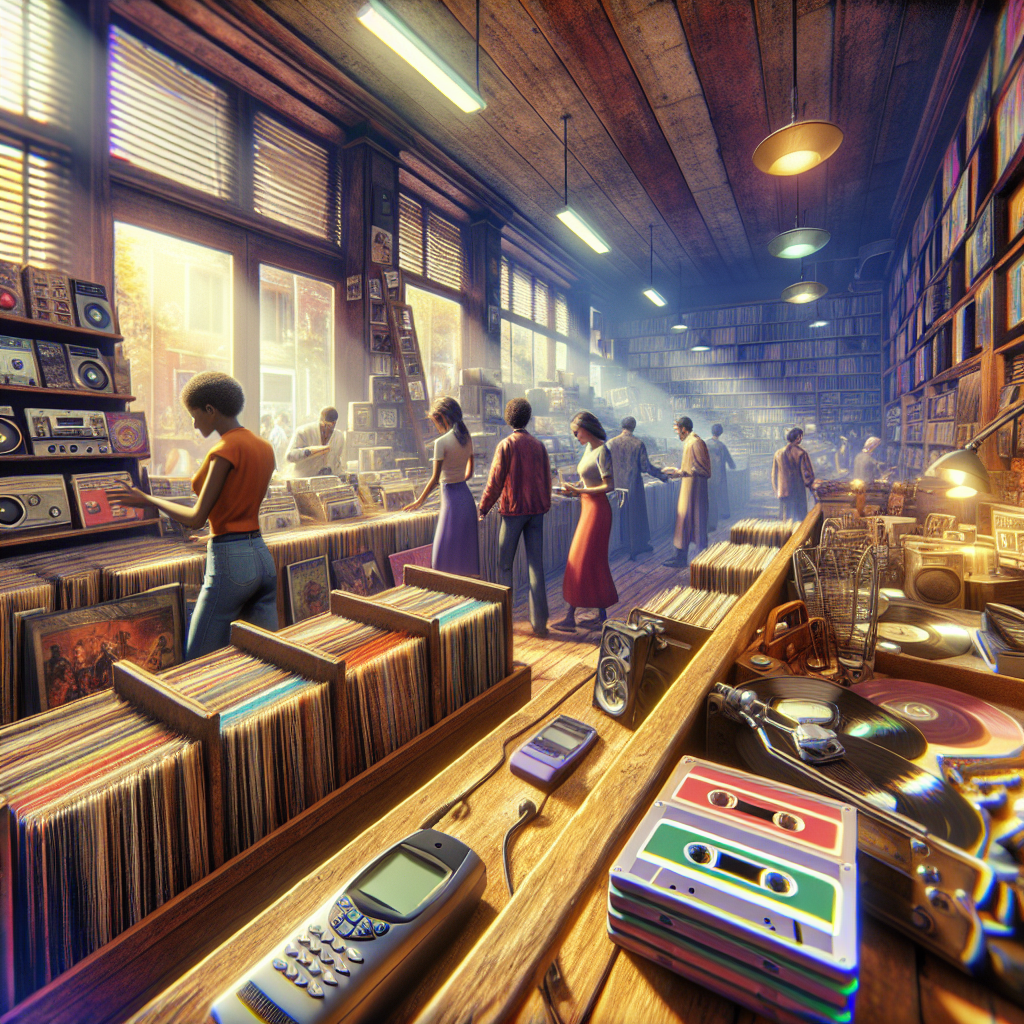
It starts in a crowded thrift store, somewhere in Brooklyn. Beneath the hum of fluorescent lights, a teenager named Sam cradles a chunky silver flip phone, grinning as she snaps it open with a click that echoes a decade of lost analog charm. Vinyl records line the shelves. Nearby, her friend raves about finding a working Walkman. The DJ in the corner is mixing, but not from a laptop — he’s spinning actual discs. In a scene echoing across the Western world, Gen Z is rewinding time, pushing play on the technology of the past.
The Surprising Comeback
Old gadgets are everywhere — but not as relics. Across TikTok, YouTube, and Instagram, millions of young people are choosing retro tech: flip phones, disposable digital cameras, wired headphones, Polaroids, and even clunky iPods[1][2][4]. Recent sales speak for themselves: Vinyl records outsold CDs in 2023 for the first time since the 1980s, and a staggering 43 million discs were bought — most by buyers under 35[1].
“Physical media is a joy,” says analyst Jamie Lawrence, whose firm tracks music gadget sales. “Young customers are flocking to record stores, not Spotify upgrades.” Data confirms it: nearly half of all CD buyers in 2024 are under age 35[1]. Meanwhile, basic “dumbphones” appear in pockets once ruled by iPhones, part of a movement powered by social media fatigue and digital detox culture[1][2].
Seeking Simple in a Chaotic World
Why are millions opting for tech their parents discarded? According to clinical psychologist Dr. Mia Tran, nostalgia is only part of the story. “Young people are overwhelmed by constant notifications and relentless connection; retro tech offers boundaries and authenticity not found in algorithm-driven digital life.”[4]
Gen Z, digital natives from birth, are finding freedom in simple tech. They crave the palpable clunk of a button over the sterile swipe, the suspense of waiting for film to develop, the independence of a device not tethered to social media[3][4]. In a sea of anxiety about jobs, politics, and climate, the tactile world of old tech is calming.
An exclusive survey from the Human Flourishing Lab reveals that 68% of Gen Z adults feel nostalgic for eras before they were born, and 73% seek media and style cues from those times. Two-thirds say exploring these eras helps relieve stress about modern life[3].
How the Revolution Works
The mechanics of this resurgence are simple but profound:
- Attack Vector: Young people pick products (like flip phones or vinyl) that radically cut their digital engagement — no notifications, no infinity scroll, no artificial intelligence.
- Innovation: Brands are responding. Nokia relaunched its iconic 3210. Companies reissued cassettes. Wired headphones now trend on fashion runways[2].
- Adoption: Social media influencers showcase their retro setups. Hashtags like #bringbackflipphones and #vinylvibes rack up millions of views.
“It’s a countertrend,” says pop culture analyst Maira Brooks. “Flip phones crush FOMO. They let people disconnect and feel present. It’s not about rejecting progress, but about reclaiming control.”[2]
A Day in the Life: Retro Tech at Home
Picture Anna, a college sophomore. For finals week, she swaps her smartphone for a pre-smartphone Nokia. The group chat falls silent, but Anna feels liberated. Music blares from her old CD player, free from streaming algorithm suggestions. She puts on wired headphones, flips through a physical photo album, and notices she’s less anxious. Her friends tease, but soon they start asking where she got her “cool burner phone.” Anna, for once, feels ahead of the curve.
Institutions React
It didn’t take long for industries to chase this wave. Record labels press new vinyl and cassettes. Camera companies revived digital point-and-shoots and classic film rolls. Nokia and Motorola recirculate old phone models. Retail giants report surges in retro tech, while marketing teams shift focus from AI features to authentic experiences[1][2]. Governments, watching digital dependencies grow, quietly welcome this analog turn as supporting healthier technology habits and mental health[4].
Ripple Effects: Beyond Nostalgia
This movement is more than a style trend; it’s changing how we interact. High school teachers note that students using “dumbphones” are more attentive. Vinyl listening clubs pop up in city parks, forging real connections. Some experts predict a renaissance for offline hobbies: physical books, board games, print magazines. Tech giants, meanwhile, struggle to balance innovation with the yearning for simplicity[3][4].
As Dr. Tran says, “Gen Z is actively mining the past — not escaping it, but using it to rewrite their future. The nostalgia serves as psychological armor when modern digital life feels overwhelming.”[3]
What’s Next / Could It Happen Again?
Will the analog renaissance last? If history is any guide, tech nostalgia follows cycles. As AI and immersive realities grow more dominant, the desire to “go back” could intensify. But brands, governments, and citizens alike will need to negotiate the boundary between innovation and well-being.
Could the next big revolution in technology be a revolt against the very advancements we chase? If young people build worlds where simplicity, connection, and satisfaction thrive—without infinite scrolling—could the rest of us follow?
FAQ
-
Why are young people choosing old technology?
Young people crave simplicity, authenticity, and boundaries in a hyperconnected world, making old gadgets attractive alternatives to modern smart devices. -
What retro tech is most popular with Gen Z?
Flip phones (“dumbphones”), vinyl records, cassettes, wired headphones, film/digital cameras, and early iPods are leading the charge. -
Is this trend just nostalgia?
Nostalgia is part of the appeal, but many use retro tech to counter digital overstimulation, manage anxiety, and foster real-life experiences. -
Have industries reacted to the retro tech demand?
Yes, major brands are relaunching classic phone models, reissuing analog music formats, and marketing toward the demand for simplicity. -
What are the social impacts of Gen Z’s retro tech movement?
Improved focus, stronger mental health, community bonding, and a trend toward offline hobbies are among the observed effects.