
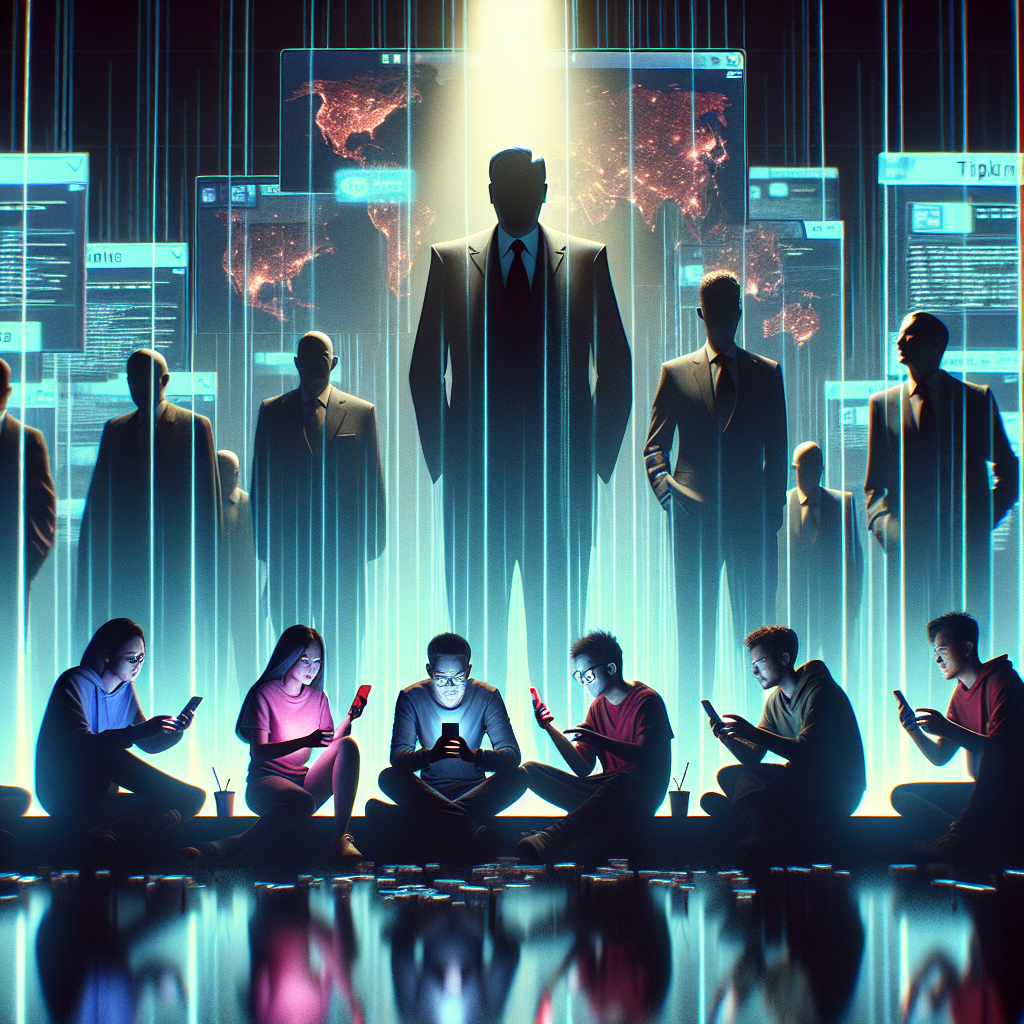
Scene One: The Night the Internet Stopped Scrolling
It’s just past midnight in California. On millions of screens, TikTok loops its parade of dancing teens, political rants, and viral hacks. Then, an explosive headline shatters the flow: “White House Names Investors in Push to Seize TikTok—Larry Ellison, Peter Thiel, and Beyond.”
For every parent, creator, and tech insider, the question echoes louder than ever: Who really owns the world’s most addictive app—and why does it matter so much now?
America’s App Dilemma: National Security vs. Social Culture
The drama begins years ago, when TikTok, the Chinese-owned social giant, hits U.S. shores. Kids love it. So do comedians, campaigners, and brands. But whispered concerns quickly reach the highest offices: Can a foreign-owned app with direct lines to Chinese law risk America’s data privacy and national security?
Fast forward to now: Lawmakers demand TikTok’s U.S. operations be put in American hands—or face a sweeping ban.
The White House unveils a bold new plan: Let a consortium of U.S. tech titans, from Oracle co-founder Larry Ellison to billionaire Peter Thiel and powerful hedge funds like Susquehanna, scoop up the app’s American assets. On paper, it’s a strategic masterstroke—move TikTok’s strings out of Beijing, and into Washington’s sight.
How the Deal Would Work: Unwinding the Digital Knot
So how do you “transfer ownership” of a digital behemoth? The plan is part financial thriller, part political chess match. If a sale happens, U.S. investors would buy out TikTok’s American business—its patents, servers, and a vast repository of user data.
Larry Ellison’s Oracle, already TikTok’s official “trusted tech partner,” would safeguard American data, promising it stays locked behind U.S. firewalls. No more shadowy transfers, no easy government taps from abroad.
Still, as technology analyst Mariah Kim tells me, “This isn’t like selling a pizza shop. It’s a ground-up rebuild—legal, technical, and personal—and every move will be scrutinized from Beijing to Brooklyn.”
A Moment in the Life: Sasha, the Reluctant Creator
Sasha, a 22-year-old college student in Ohio, relies on TikTok for both income and inspiration. She films eco-hacks and thrift flips for 200,000 fans. When sale rumors swirl, she shares what millions feel: “Will the app change? Will my videos vanish? My whole online world is built here.”
Sasha’s anxiety is real. If TikTok’s code or rules shift overnight, creators like her could lose their audience and income—collateral damage in a game played at the rarefied heights of Silicon Valley and Pennsylvania Avenue.
The Backlash: Questions, Protests, and Political Ripples
The response is immediate and divided. Creators organize livestream marathons and hashtag protests against a ban. Security hawks cheer the White House move, calling it overdue protection for American teens and military families.
Legal experts warn of years of court fights. Chinese officials denounce the plan as “digital colonization.” Meanwhile, Silicon Valley leaders quietly jostle for position in line to control TikTok’s fabled algorithms—and the billions they generate.
In a rare statement, Oracle says: “Protecting American innovation and privacy is our mission. We’re ready to do what it takes.” The message is pointed—but the path ahead remains foggy.
What Changes if the Sale Goes Through?
In theory, life for everyday users wouldn’t change—at least, not immediately. Videos still dance. Memes still trend. But under the hood, a new regime would control what’s promoted, who is protected, and how data is stored or sold.
Analyst Kim puts it simply: “The real stakes aren’t who gets famous on TikTok—it’s whether Americans trust the apps that shape their worldview.”
What’s Next? The Road Beyond the Headlines
Even as investors and governments draw battle lines, Americans must grapple with a new truth: Digital borders are as real as physical ones. Will more apps face this scrutiny? Are we heading for a fractured internet—one algorithm for the West, another for the East?
The TikTok question is far from settled. Whether or not Ellison, Thiel, and fellow moguls get their wish, the world now knows just how precious—and precarious—our digital homes have become.
Could it happen again? And if so, which app will be the next battleground in the war for your screen time?
FAQ
Q: What does the TikTok U.S. ownership proposal involve?
A: It would force TikTok’s Chinese parent company to sell its U.S. operations to American investors for security and privacy reasons.
Q: Who are the key TikTok investors named in the deal?
A: High-profile names include Oracle’s Larry Ellison, billionaire Peter Thiel, Susquehanna International Group, and other U.S.-based investment funds.
Q: Why is the TikTok U.S. sale so controversial?
A: It raises debates over freedom of expression, economic rivalry with China, and whether such sales can actually improve data security.
Q: What will happen to everyday users if TikTok is sold?
A: Day-to-day use might stay the same at first, but rules, algorithms, and privacy protections could shift under new ownership.
Q: Could other foreign-owned apps be targeted next?
A: Absolutely. Experts predict this could set a precedent for how the U.S. handles digital privacy and national security risks from international tech giants.