
The Scroll Heard ‘Round America
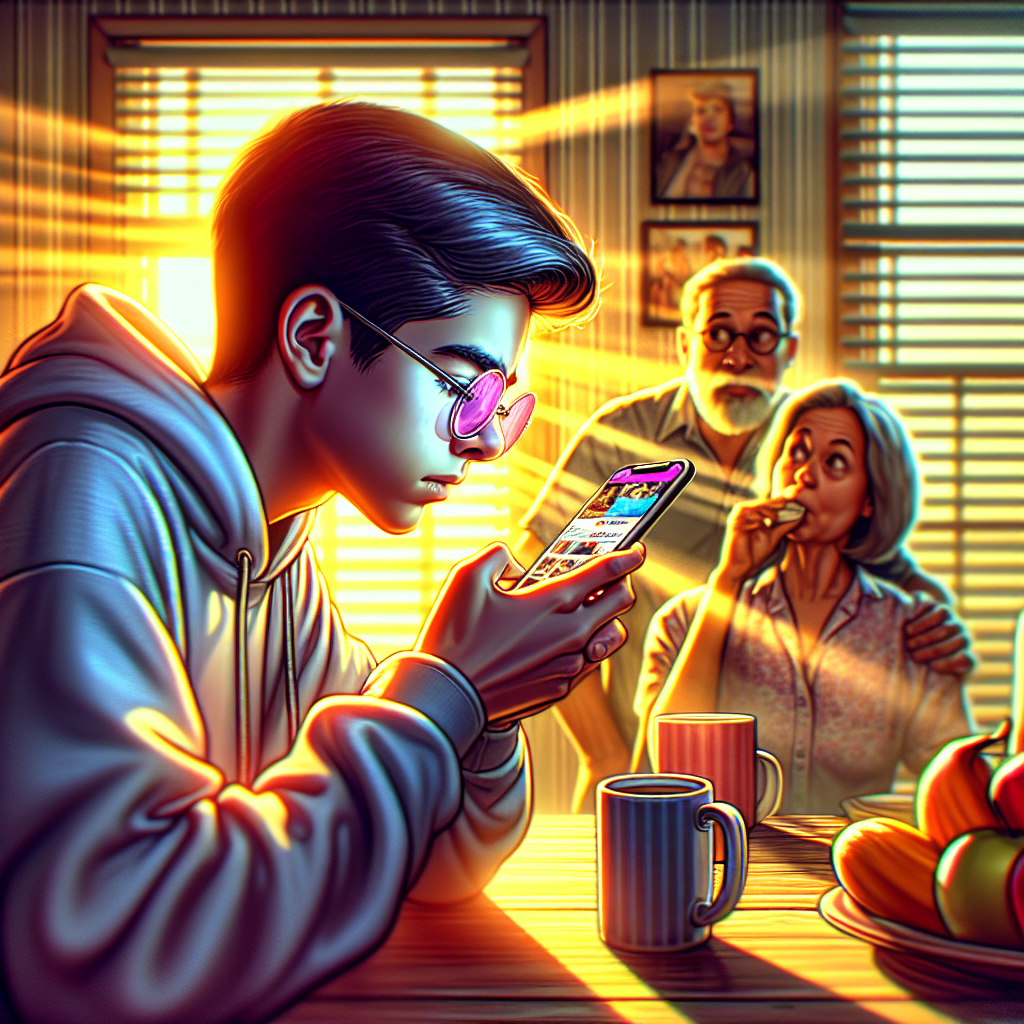
Picture this: muted sunlight slants across a kitchen table in suburbia as 19-year-old Kayla, her spoon suspended over a bowl of cereal, thumb-scrolling through TikTok’s “For You Page.” A tragic hurricane rages in Louisiana, a senator makes a fiery speech, a Chinese scientist debunks a vaccine hoax—all in under ninety seconds. Kayla’s mom leans over, asking, “Where’d you hear that?” Kayla looks up, grins, and simply says, “TikTok.”
That’s not fiction—it’s the new American morning. The platforms that once gave us viral dances and lip syncs have ignited something bigger: a news revolution. In an era where trust in traditional news wavers and headlines feel distant, one in five Americans now regularly get their news from TikTok, an explosion from just 3% in 2020[1].
From Dance Challenges to Breaking News
When TikTok launched in 2016, few predicted its soundtrack would be headlines. Yet by 2025, TikTok’s bite-sized clips have become the fastest-growing source of news consumption across all major social media platforms. And for Americans under 30, a staggering 43% now turn to TikTok for regular updates—up from only 9% five years ago[1].
TikTok’s recipe is deceptively simple: clip after clip, curated for emotional punch and brevity, delivered by anyone with a phone. Users swipe through commentary, live footage, explainers, and raw on-the-ground reporting—all interwoven with memes and trending soundtracks. It’s news as a social experience, broadcast not by anchors, but by “real people” in real time[4].
“It’s How My Generation Talks”: A Personal Chronicle
Take Jaden Martinez, a 22-year-old college student who first heard about global protests, breaking health guidelines, and tech layoffs from TikTok’s constantly refreshing feed. “I never watched cable news. It feels scripted, distant. On TikTok, I see the news as it happens. I trust creators who look like me, talk like me, and actually challenge each other,” Jaden shares, his phone open to a stream of both breaking stories and fierce debates.
His story is echoed by millions: for over half of TikTok’s users, the platform isn’t just infotainment—it’s their primary window to the world[1].
Why Is This Happening? The Science of the Swipe
TikTok’s surge as a news source is no accident. The platform leverages a potent blend of algorithmic discovery and authentic storytelling.
- Short-form video dominance: People crave quick, visual content, and TikTok perfects this with its endlessly scrollable feed—95 minutes a day globally, 52 minutes daily in the U.S.[3]
- Peer-to-peer credibility: When a local nurse or citizen livestreams in crisis, it often feels more genuine than polished newsrooms. Viral fact-checkers and debunkers crowdsource information at lightning speed[4].
- Frictionless sharing: TikTok blurs the lines between creator and audience—every user can amplify, remix, or criticize a story, creating a swirling, participatory ecosystem.
Industry analyst Dana Lin explains:
“For Gen Z and Millennials, TikTok mimics how they process the world—fast, visual, deeply social, and highly skeptical of status-quo institutions. It’s news by and for the people, and it’s rewriting journalism’s DNA.”
A New Player Shakes the Old Guard
Legacy newsrooms have noticed. Broadcasters now create TikTok-first reels, and politicians, activists, and brands scramble to tell their stories in under 60 seconds. Some decry the rise as a “misinformation minefield,” citing TikTok’s algorithmic “echo chambers.” Governments took notice too: in early 2025, the U.S. government briefly banned TikTok over data concerns—but public demand saw the app return, more influential than ever[3].
Meanwhile, digital watchdogs scrutinize TikTok’s opacity—how stories rise or vanish, how moderators flag content, and how disinformation metastasizes. The stakes are high. A viral fake could sway an election or inflame unrest. Yet the same toolkit fuels real-time resistance—from war diaries in Ukraine to citizen reporting in disaster zones. Policy experts demand algorithmic transparency while educators urge digital literacy for the swipe generation.
How Families, Communities, and Institutions Responded
Kayla’s family now sits together at dinner, each bringing a headline from their own feed. Schools host TikTok news literacy workshops. Cities launch TikTok accounts to push vital updates during emergencies, racing disinformation campaigns.
Parents worry: Are their children seeing the world or a funhouse mirror of it? Teens counter: Isn’t every media a kind of mirror? Some communities invest in local TikTok creators, fostering trustworthy reporting and combating the spread of viral falsehoods. Others turn cautious, fearing a future where news is filtered more by virality than veracity.
What’s Next? Could It Happen Again?
If TikTok’s trajectory holds, platforms of tomorrow may shape news even more—think micro-drama news clips, real-time AI translators, and global collaboration across languages and borders. But the central paradox endures: Can news that’s viral and social stay trustworthy and free?
Gen Z’s answer, for now: Our news is here, and so are we.
*Would you trust a headline if it went viral on TikTok—or scroll right past? Tell us below.
FAQ
Q: How many Americans get their news on TikTok in 2025?
A: One in five U.S. adults now regularly use TikTok as a source for news, up dramatically from just 3% in 2020[1].
Q: Is TikTok now a bigger news source than Facebook or Twitter?
A: Among young Americans, TikTok has rapidly caught up with platforms like Facebook and X (formerly Twitter), making it a top news source for adults under 30[1].
Q: Why are so many people choosing TikTok for news?
A: Users, especially under 30, prefer TikTok’s fast, visual news, the chance to see events unfold firsthand, and its peer-driven perspective[4].
Q: What are the risks of getting news on TikTok?
A: Major risks include the spread of misinformation, lack of traditional editorial standards, and algorithm-driven echo chambers, which can amplify unverified or partisan content[3].
Q: How do experts recommend staying informed?
A: Analysts and educators suggest following a range of creators, verifying stories with outside sources, and staying alert to bias or manipulation—on all platforms, not just TikTok.