
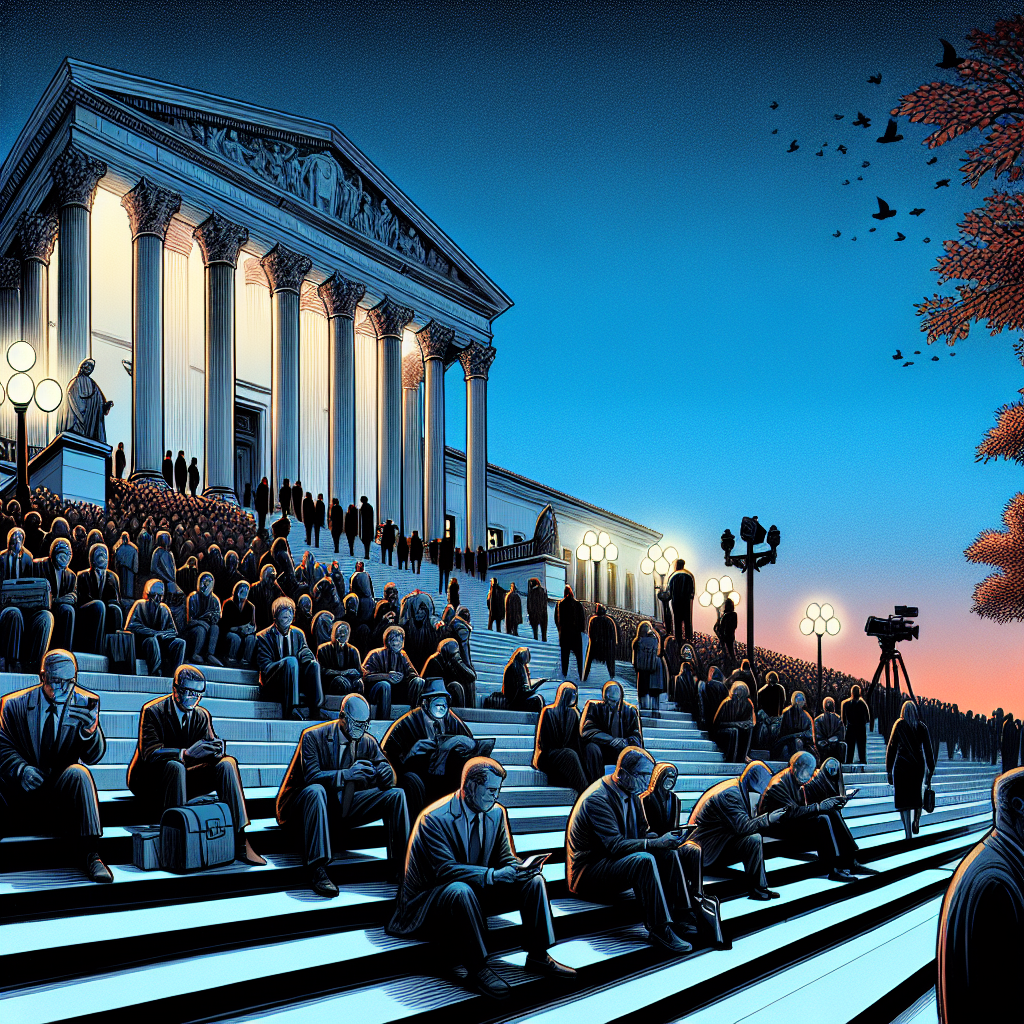
Washington DC, November 2025. The marble halls of the Supreme Court echo with urgency. Outside, reporters and citizens crowd anxiously, waiting for news on a case whose outcome could change the flow of $1 trillion and the fortunes of millions. Few realize how a decision born from arcane tariff law could ripple from Wall Street to Main Street, rewriting what it means to be an American consumer or business owner.
The Case That Could Rewrite America’s Checkbook
In the fall of 2025, the US Supreme Court prepared to rule on a case with dizzying stakes: whether President Trump’s trade war tariffs—in some cases up to 50% on global imports—were even legal under the International Emergency Economic Powers Act (IEEPA). Lower courts had already signaled skepticism, striking down the administration’s aggressive moves and staying their decisions while the high court decided if the president could act without congressional approval[4][2][5].
If those tariffs fall, the US government faces not just a massive legal headache, but a fiscal reckoning: up to $1 trillion in possible refunds. That isn’t just an accounting note—it’s a shockwave through the country’s economic DNA[8].
Why It Matters: Beyond Politics, This Is About Your Wallet
For over seven years, Americans have felt the pinch: prices rising on everything from laptops to auto parts as “trade war” tariffs piled up. Businesses protested in Congress, states sued, and small companies scrambled to manage costs. Yet, while only importers directly paid the tariffs, everyone—from factory line worker to college student—felt their real effects in the cost of living[3][8].
So, why does this case matter? If the Supreme Court rules against the tariffs, suddenly, America’s Treasury must pay out staggering refunds to businesses, possibly opening a pathway for consumers to see some money returned—though the legal tangle is daunting[3][6].
Breaking Down the Battle: Tariffs, Who Paid Them, Who Gets Them Back
Let’s demystify: tariffs are special taxes on goods brought into the country. When Trump imposed new “fentanyl” and “reciprocal” tariffs, US importers—think big retailers, automakers, and tech firms—paid billions directly to the government. That money now sits in Treasury coffers[9][3].
Traditionally, those importers alone could ask for refunds if tariffs get overturned. But public pressure and watchdog groups argue that consumers, who shouldered higher prices, deserve a share too. “It’s possible, of course, that if there is a refund, companies will lower their prices and announce that that’s a type of refund — you know, kind of a marketing thing,” explains Timothy Meyer, a Duke law professor[3].
Still, most legal experts say the money will flow back to the entities on record—importers—and not individual Americans. Yet, as advocacy ramps up, the boundaries could shift in new and surprising ways[7][6].
Inside the Supreme Court: A Clash of Powers and Principles
On November 5th, oral arguments revealed skepticism from justices over whether the IEEPA really lets presidents impose these tariffs so broadly. Listening to questions inside the chamber was like hearing democracy argue with itself: does national security justify sidestepping Congress? Should courts allow such broad executive spending with little oversight[4][8]?
If the tariffs are deemed unlawful, businesses could start lining up for refunds worth tens—maybe hundreds—of billions of dollars[8][9]. Government lawyers warn that this would “create an administrative tidal wave,” while some analysts quietly speculate about impacts on jobs and federal budgets.
The Ripple Effect: From Big Business to Everyday Americans
Consider the Jones family in Ohio—a fictional stand-in for millions. Over years, they’ve watched the cost of electronics, groceries, and even cars jump. “We just thought it was inflation,” says Maria Jones, an office manager. “Nobody ever explained that some of these prices were tariff-driven.” If importers suddenly get refunds, will retailers pass along the savings? It’s the gut question on every dinner table.
On Capitol Hill, debate boils. President Trump, ever the showman, has pitched the idea of $2,000 “tariff dividends” for average citizens, promising a windfall if the government pays out. Critics question the math, noting that tariff revenues—$120 billion so far—fall short of funding universal checks, but the story lights up social media and dinnertime dreams[3].
Meanwhile, Congress would have to authorize any citizen refunds, since the general fund that holds tariff money requires legislative approval for direct payments[3].
Reactions and Aftershocks
- Businesses: Small importers scramble to file refund claims, wary the window may close quickly[6][7].
- State governments: File new suits, demanding a fair process for local companies.
- Consumers: Watchdog groups push for broader rights, demanding transparency in how refunds are distributed[3].
- Economists and analysts: Warn of market instability and budget strains if massive outflows hit the Treasury.
What’s Next / Could It Happen Again?
As the Supreme Court weighs its decision, experts warn this case is just a taste of the new world order in trade policy. If refunds roll out, will Congress rewrite the laws to prevent future debacles? Could a future president try a similar gambit, banking on emergency powers to bypass legislative pushback[4][5][6]?
For now, a trillion-dollar question looms: If justice demands a refund, can the rules—and the economy—keep up with the reckoning?
If the government is forced to pay back $1 trillion, who should get the money: businesses, consumers, or both — and who decides?
FAQ
-
What happens if the Supreme Court overturns the Trump tariffs?
-
The government may owe massive refunds—potentially up to $1 trillion—to importers who paid the tariffs directly[8][9].
-
Will US consumers see a refund from tariff repayments?
-
Legally, only importers get direct refunds. Consumer groups hope for cost reductions or future dividends, but Congress must authorize any such payments[3].
-
How do businesses file for tariff refunds if eligible?
-
They must protest within 180 days of tariff payment and file with customs or the Treasury; deadlines are tight and processes complex[7][6].
-
What’s the long-term impact on jobs and the US economy?
-
Analysts warn of major budget disruptions, potential job losses in affected sectors, and ripple effects on global trade[8].
-
Could this kind of tariff refund crisis happen again?
-
Unless Congress rewrites trade laws to clarify executive powers, similar issues could arise with future presidents[4][6].