
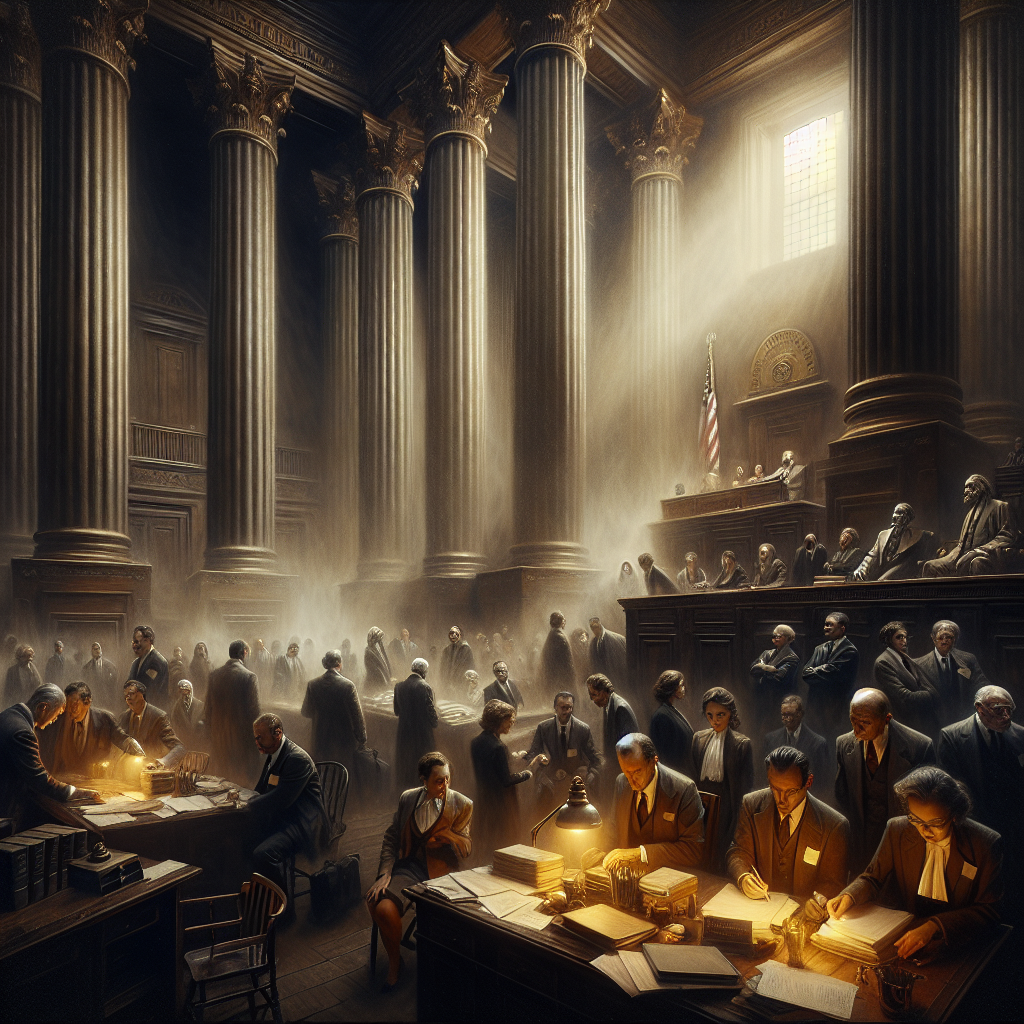
A Rainy Morning in Washington: The Question That Rocked the Room
A cold drizzle hugged the marble steps of the Supreme Court. Inside, history teetered on the edge. On November 5, 2025, a simple question pulsed through the chamber: Should the U.S. government refund more than a trillion dollars in tariffs if the Court declares Trump-era duties illegal? The stakes? Unfathomable. Every face in the room knew what hung in the balance: the nation’s coffers, the fate of thousands of businesses, and a seismic shift in the U.S. global trade playbook.
What’s This All About?
At the center of the storm is the International Emergency Economic Powers Act (IEEPA), a law giving the president sweeping authority to impose tariffs in times of crisis. In 2018, the Trump administration leaned hard on this power, slapping tariffs on hundreds of billions in goods—chiefly targeting Chinese imports in a sprawling economic conflict.
But now, after years of challenge and rancor, the Supreme Court is poised to decide if those tariffs ever stood on solid legal ground[6]. If not, the federal government may be forced to issue refunds on money already collected—potentially totaling over $1 trillion[7].
Why Does It Matter?
For most Americans, tariffs are invisible. Prices inched up, job numbers danced, news tickers flashed. But for importers—think small family distributors, independent electronics retailers, pet shop owners—those tariffs smashed budgets and forced tough choices. By some estimates, about $108 billion in duties already hang in limbo[7]. Industry analysts warn that, depending on the ultimate ruling, the government may need to refund far, far more—a flood that could dwarf any single tax rebate in U.S. history[4].
How Did We Get Here? (The Mechanics, Zero Jargon)
When a U.S. president levies tariffs, customs collects money at the border: every container offloaded, every invoice paid. Normally, if someone wants their money back—maybe the tariff was wrongly applied—they have a narrow, 180-day window to file for a refund[5].
This time, with a Supreme Court case in play, nearly every business that paid these “emergency” tariffs is watching. If the Court strikes down the original order, the basic refund process—built for a trickle, not a flood—could buckle under a deluge. Even now, as oral arguments unfold, officials admit processing such claims would be nothing short of chaos. As Justice Amy Coney Barrett mused: “The process could be a mess”[4].
Inside the Human Cost: One Family’s Wait
Meet the Kims, a fictional but achingly real American family. For three decades, their small California company imported custom electronics parts. When tariffs spiked, suddenly their margins vanished. Last Christmas, they debated cutting payroll. Now, with the Supreme Court’s decision approaching, hope creeps in. “If there’s a refund, we could catch up on bills, maybe re-hire my brother,” Mrs. Kim says, cautiously optimistic. “But if it drags or we’re denied, that’s it for us.” Their story—multiplied by thousands—shows the ripple through living rooms and bank accounts nationwide.
What the Experts Say: Chaos or Course Correction?
Tech policy analyst Daniel Gleissner notes, “A full-scale refund would be unprecedented. The Treasury Dept. could see the largest cash outflow in modern history.” Legal scholar Elise Tan warns, “There’s a real risk that big players—mega-importers, well-lawyered corporations—snap up refunds, while the little guys are lost in paperwork hell.” Even inside government, jitters rise over how to fairly and efficiently sort a trillion-dollar puzzle few ever imagined[4][5].
How Are Governments and Businesses Reacting?
Industries have already started maneuvering. Big-box retailers, car makers, and tech giants are preparing legal teams, sorting years-old receipts, and mapping strategies. Smaller businesses urgently seek guidance, uncertain if money lost to tariffs will ever return. On Capitol Hill, lawmakers brace for headlines about “government giveaways” or “business bailouts.” Behind the scenes, some officials whisper: “We have no contingency plan for this scale of refund.”
Economists warn that a sudden tidal wave of government payouts could spike inflation, skew stock markets, and even chill future White House appetite for hardball trade tactics. “When the Supreme Court shakes loose this kind of money, all bets are off,” one economic advisor says.
What’s Next (And Could It Happen Again?)
As the nation waits for the Supreme Court’s word, importers rush to file paperwork to preserve their rights—just in case. Experts predict the process could drag for years, with winners and losers chosen less by justice, more by legal stamina and bureaucratic know-how[7].
No matter how the decision lands, the episode is a stark warning: When presidential powers meet global economic warfare, the legal and human fallout can be titanic. Unless Congress retools the system, a future president could pick up the same legal hammer—and we could all be back here again.
Provocative Question:
If the Supreme Court orders a trillion in refunds, who should get paid first—the corporations that paid the most, the small businesses who need it most, or the taxpayers whose dollars back the system?
FAQ
What is the Supreme Court’s tariff refund case about?
The Supreme Court is reviewing whether Trump-era tariffs on imports—especially from China—imposed under IEEPA were legal. If not, importers could claim massive refunds, potentially up to $1 trillion.
How do tariff refunds work?
Tariff refunds usually require filing paperwork within 180 days of payment. This case could expand eligibility, triggering the largest refund process in U.S. history[5].
Who benefits if the Supreme Court rules against the tariffs?
Major importers and small businesses that paid the duties could qualify. However, the refund process may favor those with better documentation and legal resources[4][5].
Could this happen again?
Yes, experts warn that unless Congress reforms the tariff system or adjusts executive powers, similar disputes and refund chaos could erupt in the future[7].
What does it mean for American consumers?
While some refunds might trickle down as price cuts, experts believe most money will go to business bottom lines—not directly to shoppers[4].