
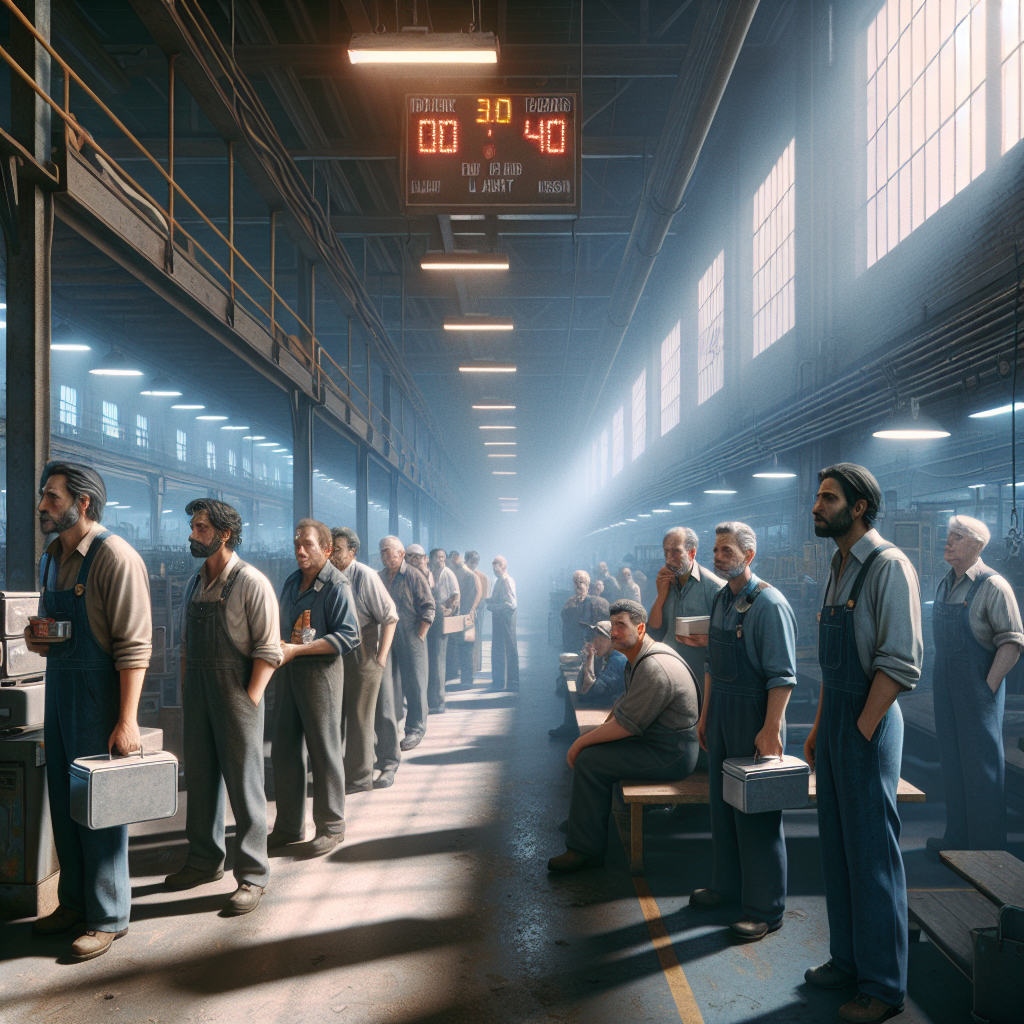
The Morning the Assembly Line Stopped
It’s 6:00 a.m. in rural Ohio, and Julie Carter — third-generation factory worker, mother of two — is making lunch for her kids with one eye on her phone. News alerts blow up: “President Trump imposes sweeping new tariffs. Immediate effect.” The television flickers with a grim-faced anchor reporting on steel, cars, and clothes about to get pricier.
Julie sighs. Last time tariffs made headlines, her plant cut overtime. Now, she wonders what shift cuts, price hikes, or even layoffs the next days will bring. “They say it’s to protect us,” she mutters, “but I’m starting to feel like the one paying for it.”
Trade Wars: The New American Divide
When President Trump announced his 2025 tariff blitz, it wasn’t the first shot in America’s ongoing trade war — but it may prove to be the loudest. These tariffs, or government-imposed taxes on imported goods, were aimed at countries like China and Mexico, justified by a need to rebuild U.S. manufacturing. Yet, as the dust settles, the numbers paint a bleaker picture for the very middle-class families they promised to protect.
“Tariffs are supposed to be the shields. But right now, they look a lot like economic swords,” says Dr. Kevin Sidwell, a trade economist at Yale.
Early data is jarring: The Budget Lab at Yale notes all tariffs implemented in 2025 have already raised average U.S. consumer prices by 2.3%, translating to an annual loss of about $3,800 per household[2]. For low-income families, that figure bites even harder: $1,700 shaved off already thin budgets[2].
How Tariffs Ripple Through America
But these numbers are more than line items on a financial report — they’re pulses in everyday American life. Here’s how it works: Tariffs raise the cost of imported cars, clothes, electronics, and more. American companies who rely on these imports must either eat the costs or pass them along to consumers — that means you, grabbing eggs, jeans, or a new phone.
Worse, the manufacturing sector — the industry tariffs were meant to buoy — is hurting. Since April’s tariff ramp-up, U.S. manufacturing has lost 42,000 jobs[3][5]. Job openings and new hires have both shrunk. According to the Center for American Progress, wages for factory workers are stagnating, now crawling at just $0.10 growth month-over-month, barely staying ahead of inflation[3][5].
A survey by the Federal Reserve Bank of Dallas found a whopping 72% of manufacturers reporting negative impacts from tariffs[3]. Layoffs. Canceled orders. Lost customers. “Despite promises, there’s really no upside — these tariffs are sand in the gears,” observes Dr. Mei Nolte, who tracks manufacturing for MIT Technology Review.
Julie’s Story: Living the Aftershock
Imagine Julie again. By June, her plant has reduced shifts — she’s now home one extra day a week, missing paycheck hours. Simultaneously, prices for groceries and kids’ shoes are up. The school sends a note: costs for sports uniforms surged due to textile tariffs. Even the community’s small tech repair shop has seen fewer customers, as replacement parts and devices are costlier.
By summer’s end, the Carters are dipping into their savings, postponing a long-planned family trip. The stress is palpable. “They talk about tariffs like it’s numbers on a screen,” Julie says, “but here, it’s less overtime, higher bills, and a lot more worry.”
What the Experts — and Politicians — Are Saying
Trump’s team defends the tariffs as a bold move to strengthen America’s backbone. In a recent White House statement, advisor Rich Kim insists, “Tariffs are necessary so America isn’t at the mercy of foreign supply chains. Short-term pain, long-term gain.”
But independent economists are skeptical. The University of Pennsylvania’s Wharton Budget Model projects a 6% reduction in GDP and a 5% drop in wages long-term — figures double the impact of a historic corporate tax hike[1]. “These tariffs hit middle-income Americans the hardest, inflicting a cumulative lifetime loss of $22,000 per household,” concludes the analysis[1].
The Economic Policy Institute adds a warning: rather than lifting wages or triggering investment, tariffs tend to increase inflation and boost profits for executives — not workers[4].
How the Country’s Reacting — And the Global Ripples
The response has been anything but united. Some politicians tout renewed “American resilience,” while unions and business groups rally in D.C., warning of job losses and upstream economic pain. Stocks have turned volatile, and international allies fume over “bad faith” dealing — some even retaliating with tariffs of their own.
On the ground, Americans like Julie Carter feel the squeeze. In the boardrooms, manufacturers stall investments, and on Capitol Hill, a battle rages between populist promises and harsh economic reality.
What’s Next — And Could It Happen Again?
As the tariffs unfold, the biggest question is: What now? Will jobs rebound or will more middle-class families feel the spiral? Will politicians try a different tune, or will tariffs become a permanent fixture?
Experts warn that as long as tariffs are wielded as a quick fix to deep, slow-moving economic problems, their side effects could linger for generations[4]. If a future administration repeats the pattern, the risk for the American middle class could be even greater.
So as another election nears, a provocative question emerges:
Will America continue trying to wall off the world — even if it walls off opportunity for its own people?
FAQ
How have Trump’s tariffs affected the middle class in 2025?
Trump’s tariffs have raised overall consumer prices by 2.3%, causing the middle class to lose nearly $3,800 annually, and contributing to job losses and wage stagnation in manufacturing[2][3][5].
What is the impact on American manufacturing jobs?
Manufacturing jobs fell by 42,000, with wage growth in the sector stagnating and many companies reporting job cuts and declining business due to higher costs[3][5].
Are certain products hit harder by these tariffs?
Yes. Clothing, textiles, cars, and technology products are especially affected — for example, apparel prices rose by 17%[2].
How do tariffs work and why are they used?
Tariffs are taxes on goods imported from other countries. Governments often use them to make domestic products more competitive, but they can also drive up costs for both businesses and consumers.
Could these tariffs trigger a recession?
Many economists warn that tariffs decrease economic growth and could even trigger a recession if left unchecked[1][4].
Will the tariffs be permanent?
That’s unclear. Political debates are ongoing, and future administrations may roll them back or double down, depending on economic and electoral pressures.
What might happen if new tariffs are introduced in the future?
Experts predict even more pressure on household budgets and greater risk for the middle class if similar tariff policies are duplicated.