
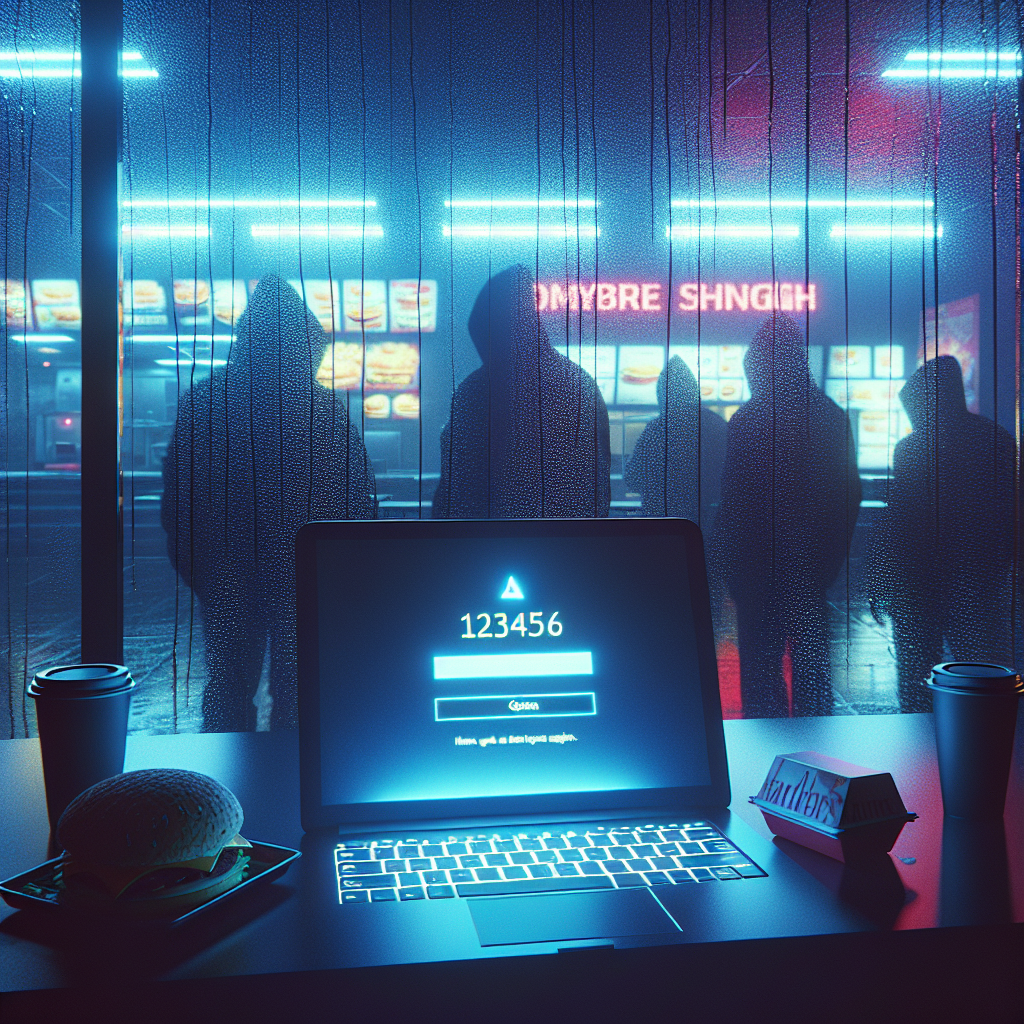
The Night the King Lost His Crown: A Cyber Break-In Nobody Saw Coming
It started, like many modern thrillers, with the glow of a screen deep into the night. Two ethical hackers—known only by the monikers BobDaHacker and BobTheShoplifter—stared at their monitors, hands poised on keys, as they pulled back the digital curtain on one of the world’s largest fast-food empires. It was 2025, and the scent of burgers wasn’t the only thing in the air—there was a whiff of vulnerability, too[1].
As the duo poked at Burger King’s inner workings, they discovered something both astonishing and alarming: passwords like “123456” were all that guarded the sensitive backend of Burger King’s operations. Imagine if the front doors of every franchise were unlocked by a key easy enough for a child to guess. That’s the level of security they were dealing with—a defense as fragile as a paper Whopper wrapper in a thunderstorm[1].
How the Hack Went Down: Security Flaws Anyone Could Exploit
BobDaHacker and BobTheShoplifter tested their digital lock picks on the online “assistant platforms” that Burger King—and its sibling brands Tim Hortons and Popeyes—relied upon. These weren’t obscure side projects; they managed 30,000 restaurants, touching the lives (and taste buds) of hundreds of millions.
Here’s what the hackers found, and why it matters:
- Weak passwords and sloppy authentication let attackers slip through Burger King’s digital defenses.
- Once inside, hackers could view and edit employee accounts, listen to drive-thru customer conversations, and even control restaurant tablets—tools used to run orders and communications[1].
- Incredibly, that access stretched across all RBI brands—so not just Burger King, but Tim Hortons and Popeyes were open to the same threats.
This wasn’t just a “tech problem.” For a business empire built on efficiency and trust, it was a nightmare scenario—one that put the private information of 64 million people up for grabs[1].
The Stakes: Why Your Lunch Break Became a Cybersecurity Headline
To understand the gravity, step into the shoes of Emily, a young mother in Des Moines, waiting in the Burger King drive-thru to grab chicken fries for her son. She orders, chats briefly over the car speaker, and never thinks twice about who’s listening. But behind the scenes, that conversation—along with sensitive staff data, operational secrets, and more—was just a password away from being in the wrong hands.
Burger King’s systems taught us that our everyday lives are tied, in surprising ways, to internet security decisions we’ll never see. When you next tap an app to order fries, you’re trusting not just the brand but an invisible matrix of digital safeguards—or, sometimes, the lack thereof.
The Industry Reacts: Outrage, Warnings, and the Search for Blame
Unsurprisingly, news of the breach spread like flame-grilled wildfire. Security analysts called it “catastrophic.” One analyst, Dr. Mia Lee of the Cyber Resilience Institute, stated, “Fast-food giants process more customer data than many banks. These vulnerabilities are not just dangerous—they’re embarrassing.”
Governments chimed in, demanding urgent reviews. An unnamed EU regulator was blunt: “Repeated failures to protect data in sectors this large are unacceptable. Fines and oversight reviews are now on the table.”
But the biggest surprise? Despite responsibly revealing the flaws, the hackers received no official thanks. Burger King’s parent, Restaurant Brands International, maintained public silence. Behind the scenes, insiders whispered that legal fears trumped gratitude—a heartbreakingly common theme for ethical hackers[1][3].
Personal Fallout: When Tech Fails Working People
For employees and customers, the incident was no abstract threat. Long-time shift manager Carlos Torres described his shock: “I trusted the company’s systems. To know someone could hear every drive-thru chat or mess with our work schedules—it’s scary. Most of us never thought this stuff was possible.”
For many staffers, trust—always a big part of the Burger King brand—was shaken. As word spread, there were real discussions about privacy, data protection, and even basic job security.
A Domino Effect: Industry Scramble and Policy Change
Burger King wasn’t alone in its panic. Within weeks of the exposé, rivals like McDonald’s and Wendy’s quietly commissioned outside audits. Several states and the EU pressed for new rules on consumer and employee data practices in fast food, echoing those in finance and health.
Now, mandatory bug bounty programs—cash rewards for reporting flaws—are gaining momentum, allowing hackers to help without fear of legal risk or silence. Experts say this trend will only accelerate as “smart” food services grow.
What’s Next: Could It Happen Again?
The embarrassing breach is already forcing global changes. Burger King, under pressure, vowed a total systems overhaul, pledging stronger passwords, independent security checks, and better transparency for the public.
But the truth remains: as technology weaves deeper into everyday life, the line between convenience and risk blurs. If passwords like “123456” still lurk anywhere, another breach is only a matter of time.
So, as you unwrap your next Whopper, ask yourself—what’s hiding behind your fast-food fix, and who’s watching from the other side of the screen?
What other everyday giants might be just as vulnerable—and would we even notice until it’s too late?
FAQ
What happened during the Burger King hack?
Ethical hackers uncovered severe security flaws in Burger King’s digital systems, exposing sensitive employee and customer data through weak passwords and poor authentication.
How did attackers access Burger King’s systems?
They exploited simple, easily guessed passwords and a lack of strong security measures, granting them deep access to core restaurant management tools.
What are Burger King’s cybersecurity vulnerabilities?
Vulnerabilities included weak authentication, shared system flaws across brands (like Tim Hortons and Popeyes), and openings that allowed hackers to control devices and listen to drive-thru conversations.
What can the fast-food industry do to prevent cyber attacks?
Stronger passwords, regular audits, bug bounty programs, and transparent handling of security reports are critical to defending sensitive systems.
Can customers trust fast-food restaurant data security now?
Burger King and its parent company pledged reforms, but experts say constant vigilance and independent checks are needed industry-wide.