
Scene One: A Spotlight, a Podium, and a Nation Listening
It’s a brisk March evening in 2024. The camera pans to a packed rally, lights glinting off campaign buttons. At the center of it all, former President Donald Trump steps up, microphone in hand. His message is clear, resounding across the crowd and, soon after, the internet: “Nobody produces cleaner oil than America.” The claim catches viral fire, igniting fierce debates from Reddit threads to newsrooms across the globe.
But what’s hidden beneath the applause, the headlines, and the hashtags? Let’s go beyond the spectacle—and into the maze of technology, policy, and the lives intertwined with America’s energy future.
The Claim: Cleaner Oil, Contested Facts
Trump’s statement wasn’t new, but this time, it landed in an America deeply divided—and desperately hungry for clarity on climate, jobs, and economic security. According to Trump, “all of that tar is going right up into the atmosphere,” referencing Canadian “tar sands” and implying U.S. refiners, especially in Houston, are not just the best—but the only ones capable of making that dirty crude market-ready[1].
Energy analysts and government figures were quick to weigh in. The data? Nuanced. America remains a global oil heavyweight, importing Canadian oil sands (bitumen, a heavy, tarry form of crude) to refineries equipped for the job. But Trump’s assertion that America alone does this, or that the oil industry here is uniquely clean, doesn’t match the facts[1].
The Technology: Taming the “Tar Sands”
Let’s break down the tech. Oil sands—think of thick, black peanut butter—can’t just be pumped and poured; they demand specialized refineries and cutting-edge emission-control systems.
Houston’s Gulf Coast facilities are celebrated for their capacity to process this gunky raw material, stripping out sulfur, heavy metals, and other pollutants via high-pressure reactors and vast networks of pipes. But as Dr. Susan Carvalo, a leading petroleum engineer, explains, “No refinery is pollution-proof. Upgrades have greatly reduced emissions, but refining heavy crude still emits more greenhouse gases than ‘light’ oil.”[1][2]
Cleanliness, in this contest, becomes a matter of degree—and comparison. Countries like Norway and Canada arguably set a global environmental standard, while U.S. facilities’ environmental controls range from world-class to worryingly lax, depending on location and ownership.
Why It Matters: Climate, Jobs, and the American Wallet
This isn’t just an engineering story—it’s existential. Oil remains tightly woven into the American economy—and, for millions, it defines their working lives.
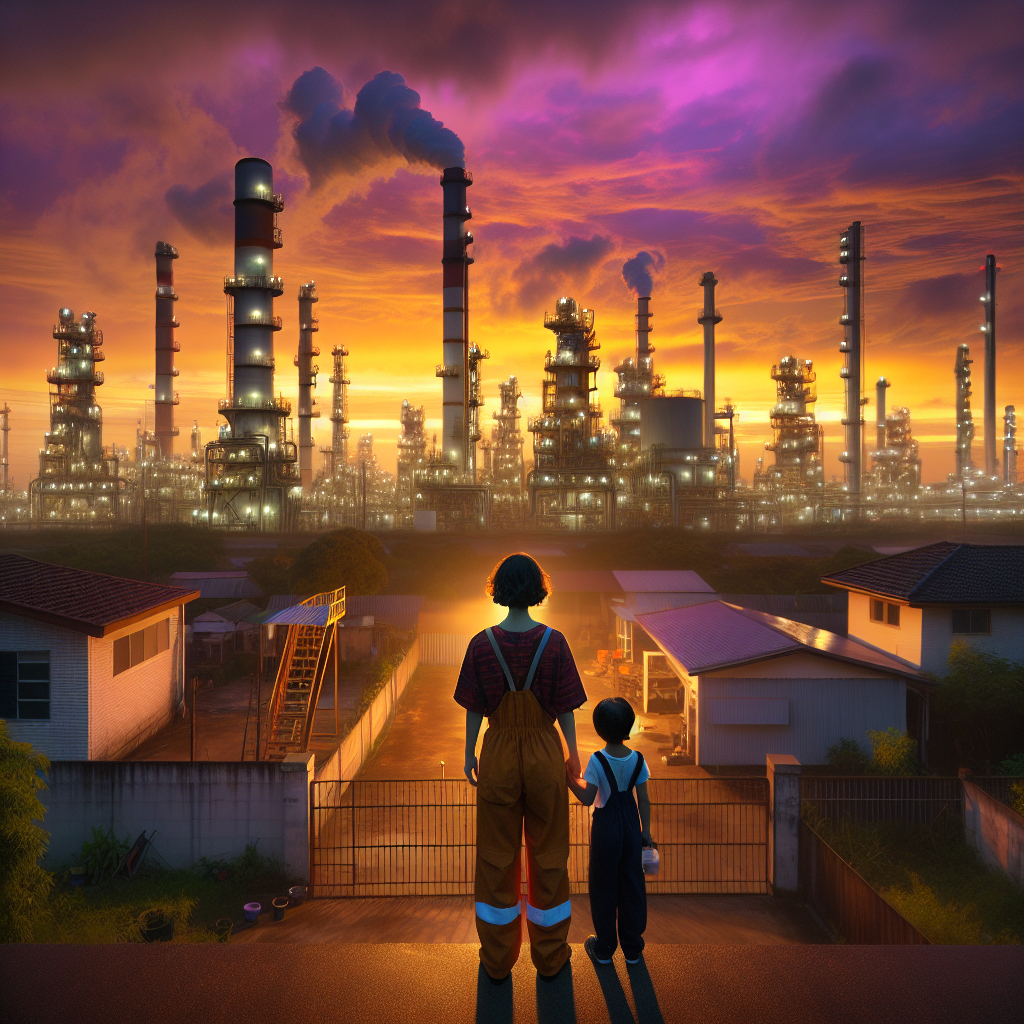
Consider Amanda, a third-generation Texan and refinery technician. Her family’s stability depends on her job, but her six-year-old son’s asthma reminds her daily of the stakes: “We need this work, but I worry what we’re breathing in,” she says, glancing at the haze through her kitchen window.
Competing truths hang in the air. The industry touts “energy independence” and high-output jobs—but automation and mechanization are ruthlessly shrinking the workforce, even as output soars[3]. Environmental protections have never killed gas and oil jobs at the projected scale, despite decades of political rhetoric[3].
Debating the Data: Analysts and Experts Weigh In
So, does the White House have the power to make—or break—America’s oil dominance? The answer, according to independent energy analysts, is more complicated than political slogans imply. “Oil production is dictated far more by global demand, not the U.S. president’s executive order. Technology and market forces are the real drivers,” says Oren Pilant, of East Daley Analytics[2]. This means neither Trump nor his critics have exclusive control over America’s output, or its cleanliness credentials on the global stage.
Ripple Effects: The Political Echo Chamber
The rhetoric reverberated across the digital sphere—from cable arguments to Reddit threads[1]. Governments and communities split along familiar lines. Pro-oil politicians echoed Trump’s talking points, using them as ammo against environmental regulations. Environmentalists, meanwhile, marshaled troves of EPA data, showing that U.S. refineries—while more efficient than some—still trail greener global counterparts in curbing emissions[3][4][5].
Underneath, scientists grew frustrated as facts became casualties in a political tug-of-war. “There’s no question U.S. refineries have improved, but we’re not in a global league of our own,” notes Dr. Kevin Shapiro, a climate science consultant. “And rolling back regulations can make dirty oil even dirtier.”[4][5]
What’s Next? Could It Happen Again?
As the world pivots toward clean energy, the mythology around “the cleanest oil” persists. In the quest for climate action, jobs, and national pride, precision matters more than ever—because today’s slogans shape tomorrow’s policies, technologies, and lives.
Could a single statement reshape energy debates in 2025? Absolutely. The age of energy misinformation isn’t over. The next claim—on social media, at a campaign stop, or during a global crisis—will spark new questions:
Whose “truth” about energy do we believe—and who pays the price when facts fade behind the spotlight?
FAQ
-
Is American oil really the cleanest in the world?
No. U.S. refineries have made progress, but countries like Norway and Canada often have stricter environmental controls. The U.S. is not universally considered the “cleanest.” -
What are oil sands/tar sands?
Oil sands are a mix of sand, water, clay, and bitumen—a heavy, viscous oil. They require complex processing, which typically generates more pollution than conventional oil. -
Do environmental regulations kill oil jobs?
No. Data shows automation is the big job killer in oil and coal; environmental rules have a minimal direct impact on employment[3]. -
How do U.S. refineries compare globally?
America has some of the most advanced refineries, but emission controls vary. Some meet high standards, others lag behind Europe and parts of Canada. -
How do politics shape how oil is marketed to the public?
Political messaging often prioritizes national pride or economic talking points over scientific nuance, driving public perception—and sometimes policy—based on incomplete truths. -
What’s the future of “clean oil”?
As technology advances and regulations tighten worldwide, “clean oil” will keep evolving. However, true environmental leadership demands constant vigilance and innovation.