
Prologue: A Glitch in the System
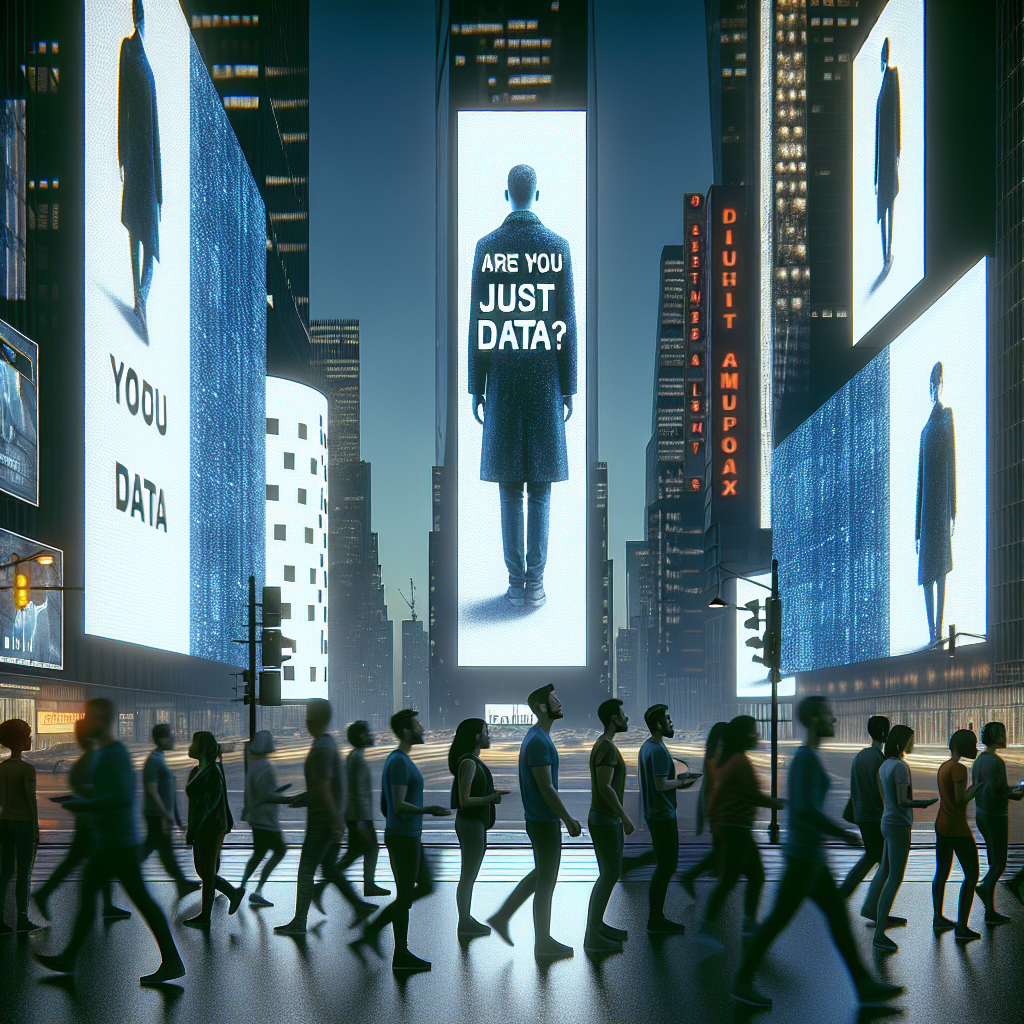
San Francisco, 2025. Sunlight flickers between steel towers as commuters stream into Market Street cafés, their faces half-lit by blue glow. Suddenly, half the city’s smart billboards flicker — displaying a cryptic message: “Are You Just Data?” Confused, the crowd glances up, sensing a chill. Is this another marketing prank, or something deeper — a signal that those behind our technology don’t see us as people?
Capitalism at the Cursor: Disconnected by Design
This wasn’t a dystopian prank. The billboard hack was orchestrated by “Human Input,” a rogue group protesting what they call “algorithmic indifference” — the now-routine disregard for human cost in tech development. Their manifesto, mirrored on screens across the Bay, asked: “Do tech capitalists care about us — or just the numbers they measure us by?”
It’s a question simmering beneath boardroom gloss and fiery startup pitches. For decades, Silicon Valley idealized its disruptors as visionaries shaping the future. But as breakthrough after breakthrough goes public — from job-replacing robots to addictive feeds quietly shaping thought — doubt seeps in. Who’s really benefiting? And does anyone mind if people get burned?
Invisible Hands, Real Consequences
Consider algorithmic trading, where financial super-computers execute millions of trades in nanoseconds — chasing profit at a speed no human can match. In 2010, an algorithmic “flash crash” erased nearly $1 trillion from the stock market in minutes. As Jason Lin, an MIT digital ethics analyst, tells me, “These systems have no empathy dial. To most investors, it’s math. But to thousands of workers? It’s lost homes, evaporated pensions, everyday pain.”
Or picture “Dark Patterns,” subtle tricks web designers use to manipulate you into clicking, buying, or sharing — all invisible, unless you look closely. As government watchdogs sounded alarm bells, public outcry forced Apple and Google to tweak their designs. “For years, the industry treated users like variable test subjects, not people,” admits one ex-product manager, anonymously. “The spreadsheet always won.”
The Human Side: Abby’s Algorithm
Imagine Abby, a single mom signing up for a loan after job loss. Instead of talking to a teller, she faces a prediction algorithm — its verdict sealed by lines of code. She’s rejected instantly, never knowing her data was cross-referenced with a misflagged purchase. Abby is not a person, but a datapoint.
This is the “secret life” of most 21st-century customers. In the relentless march for efficiency, Anna Lee, a Harvard sociologist, notes: “People become abstractions. Not intentional cruelty, but a byproduct of a system where speed and scale are everything.”
Backlash, Regulation & The Recalibration
The billboard hack struck a chord — echoing far beyond the Bay. Investigative journalists brought hidden “AI audit logs” to light, showing where applications failed citizens, sometimes fatally: housing denials, medical mistreatment, accidental arrests. Congressional hearings soon followed, with heated testimony from engineers and activists side by side.
In response, California rushed through the “Algorithmic Humanity Act” — demanding audits for bias and transparency. Europe’s Digital Services Act threatens stinging fines for algorithmic harms. Corporate giants scrambled, retooling their systems, funding think tanks, and — at least in PR — pledging to “Put People First.”
But insiders whisper it’s surface change. “VCs are still betting on efficiency,” one founder remarks. “There’s money in eliminating friction. Humanity is still the rounding error.”
What’s Next / Could It Happen Again?
Tech capitalists power the world’s most influential companies. Yet, as history shows, efficiency cannot be humanity’s only metric. Laws evolve, but incentives persist — growth, speed, profit. So the question returns: In a future where code mediates all, what’s our line between humans and numbers?
The next time an algorithm decides your fate, ask: Who — or what — is really in control? Is it a person, a profit motive, or just the persistent logic of an unconcerned machine?
Would you trust your future to someone who doesn’t remember your name?
FAQ
Do tech capitalists care about humans?
Many care in principle, but systemic incentives in Silicon Valley often prioritize growth and efficiency over individual or social harms.
How do big tech companies impact human lives?
Through algorithms, data profiling, and automated decision-making, tech companies shape everything from job prospects to personal relationships — often invisibly.
Can algorithms be made more human-friendly?
Yes, through oversight, diverse design teams, transparency, and legal frameworks like the Algorithmic Humanity Act, errors and bias can be reduced.
What is being done about “algorithmic indifference”?
Governments globally are introducing regulations to increase transparency and fairness, while watchdog groups and journalists investigate abuses.
How can regular people protect themselves?
Stay informed, demand transparency from digital services, and support regulations that prioritize human wellbeing over corporate expediency.