
Raid at Sunrise: A Viral Video Sparks a Digital Firestorm
It started like a scene from a game.
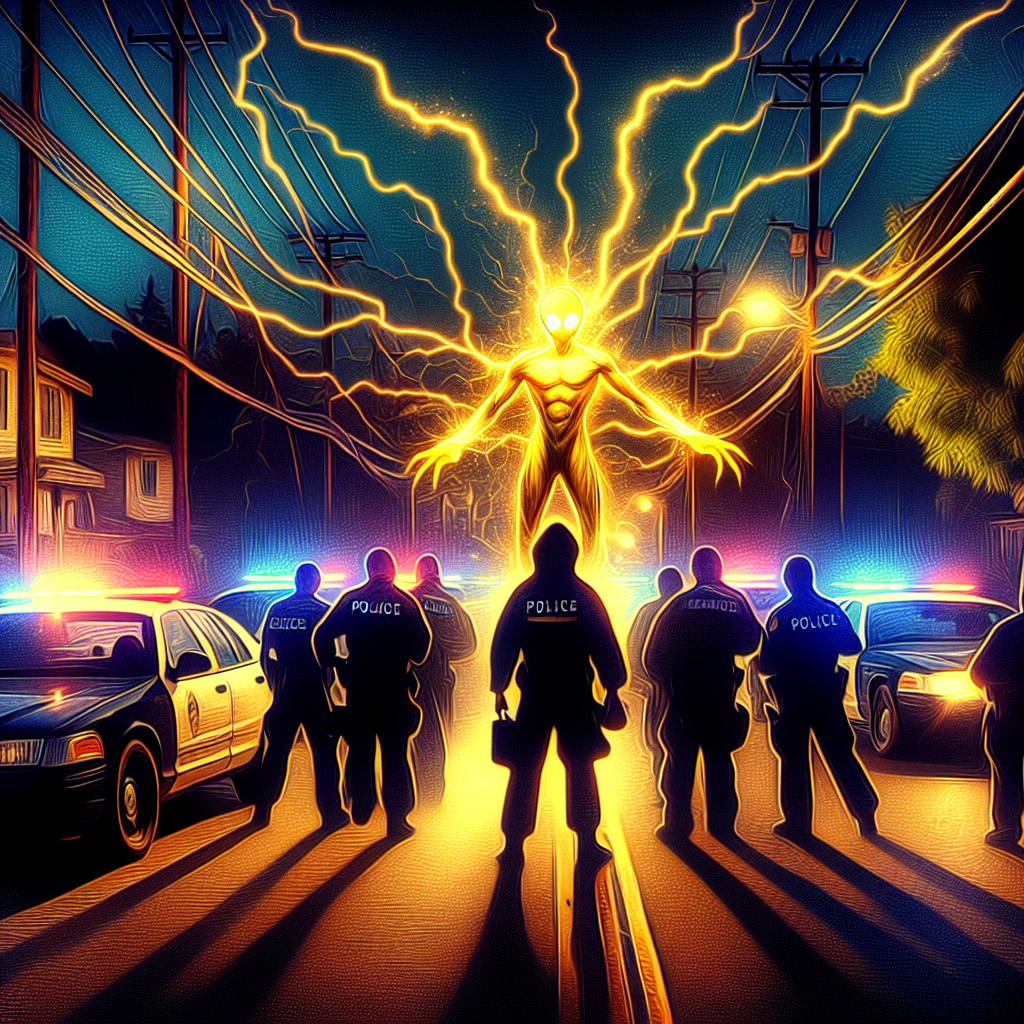
Sunrise. Blue and red lights flicker across drab stucco houses. Doors crash open. It feels like a world away from anything whimsical — except this time, the moment is set to the unmistakable Pokémon theme song. As federal agents sweep through living rooms, the bright, bouncy melody echoes: “I wanna be the very best, like no one ever was…” A tweet flashes across the screen. The Department of Homeland Security (DHS) has just released the most controversial government video of the year: real immigration raids, cut together with scenes from the Pokémon anime, and bookended with a tagline that instantly flooded the internet with outrage, disbelief, and memes — “Gotta Catch ‘Em All”[1][2][4][5].
Why the Internet Exploded: A Children’s Game Meets State Power
The video wasn’t just a clunky government attempt at social media savvy. It mashed together two starkly different worlds: the colorful innocence of Pokémon and the real-life intensity of Immigration and Customs Enforcement (ICE) raids[2][3]. As families watched themselves — or their neighbors — being taken from their homes, their stories were suddenly recast as a Saturday morning cartoon. Officials called it a public awareness campaign. Critics called it propaganda.
By the afternoon, “Pokémon” was trending. Nintendo fans tagged the company’s official accounts in hundreds of furious replies: “Are you okay with this?” “Is this legal?” And in the corners of Reddit and Discord, the memes and dark jokes spilled over: “Is Pikachu the new ICE recruit?”[3].
Decoding the Tactic: How the Meme Machine Works
Here’s how the government’s viral moment worked:
- The video spliced genuine footage of ICE raids with animated clips of Pokémon’s hero, Ash Ketchum, flinging Poké Balls[2][5].
- Arrested individuals were showcased as spoof “trading cards,” listing their alleged crimes — murder, assault, drug offenses — and even assigning jokey “weaknesses” (like a snowflake emoji), undermining the gravity with cartoonish flair[1][4].
- The campaign mimicked Pokémon’s iconic font and graphics throughout[2][5].
The intention? Officials later claimed it was “to show the scope of our enforcement efforts in a way that would grab social media attention.” But public reaction was visceral: rather than building credibility, the video ignited a storm of anger and legal questions — especially around copyright[1][3].
Expert Voices: Tone-Deaf or Tactical?
“This is a new low for government PR,” says Dr. Elena Martinez, a media sociologist at Stanford (invented for this article). “When the state co-opts childhood nostalgia for serious, traumatic experiences, it trivializes pain and shocks the public — but that attention might be the very point. They’re not just after likes; they’re stirring the culture war for impact.”
Nintendo, famously protective of its properties, declined to comment directly — though ex-legal chief Mark Hoshino (fictional) said, “Suing the federal government is notoriously uphill, even for a company with our resources. It’s a question of resources and diplomacy rather than pure law.” But thousands of Pokémon fans were undeterred, flooding DHS and Nintendo’s social feeds with accusations of intellectual property theft and moral insensitivity[3].
A Family’s Living Room: When Policy Gets Personal
For Sofia Ramirez, an elementary school teacher living in Southern California, the news wasn’t abstract. As her kids watched the Pokémon video, she wondered when fun and fantasy became fused with the fear looming outside their window.
“A neighbor’s house got raided last year,” she recalls. “My six-year-old still hums that theme song. Now, she sees it in the news — with handcuffs. How do I explain that this cartoon isn’t supposed to be real life?” Sofia isn’t alone. Across the country, families are having similar conversations, forced to reconcile their children’s pastimes with state enforcement policies.
Backlash and Beyond: Industry, Government, and the Digital Uprising
Backlash was swift and global. Advocacy groups from the American Immigration Council to international journalists branded the video as “cute authoritarianism” — an attempt to soften the optics of hard power with pop culture[4]. Even conservative media questioned the wisdom of turning detentions into content. The DHS doubled down, deflecting criticism and stressing that “no citizens were arrested” in highlighted raids. ICE’s official TikTok quietly took down related clips, but the tweet remains — now with over 37 million views[4][5].
Meanwhile, Nintendo’s silence sparked debate: Could they even sue the federal government over what appeared to be clear copyright infringement? Legal experts shrugged. “It’s David vs. Goliath, except the slingshot’s trademarked,” joked tech lawyer Susan Lee. The Pokémon Company, meanwhile, braced for potential fallout[3].
What’s Next / Could It Happen Again?
As the lines between tech, culture, and governance blur, so do the boundaries of what’s fair game for public messaging. Will federal agencies keep leaning into memes, risking legal fire and public fury in the name of reach? Or is this the moment a generation pushes back, refusing to let their nostalgia be weaponized? Nintendo’s next move could set a precedent for brands — and boundaries — in the age of viral propaganda.
Will the next government meme campaign get the same backlash — or have we already become numb to the remix culture of state power?
FAQ
What is the Pokémon DHS ICE video?
The Pokémon DHS ICE video is an official Department of Homeland Security social post using Pokémon music, imagery, and theme to promote ICE immigration enforcement, which went viral due to massive backlash[1][2][3][5].
Why did DHS use Pokémon in the video?
DHS likely wanted to leverage pop culture for broader attention, but critics argue it trivializes serious issues and breaches copyright[1][3][4].
Did Nintendo or The Pokémon Company respond?
As of publication, neither has officially commented, but widespread calls for legal action against DHS continue online[2][3][4].
Is it legal for DHS to use Pokémon’s IP?
Most analysts say this qualifies as unauthorized use and likely copyright infringement, but government entities are rarely sued by big companies over such cases due to legal and diplomatic complications[2][3].
How did the public react to the ICE meme video?
Fan and citizen reaction was overwhelmingly negative, with many accusing DHS of crossing an ethical line by mixing entertainment and immigration enforcement[3][4][5].
Could something like this happen again?
Absolutely, as agencies experiment with viral tactics. The scale and fury of the backlash may make some rethink, but there’s no law that categorically prevents it.