
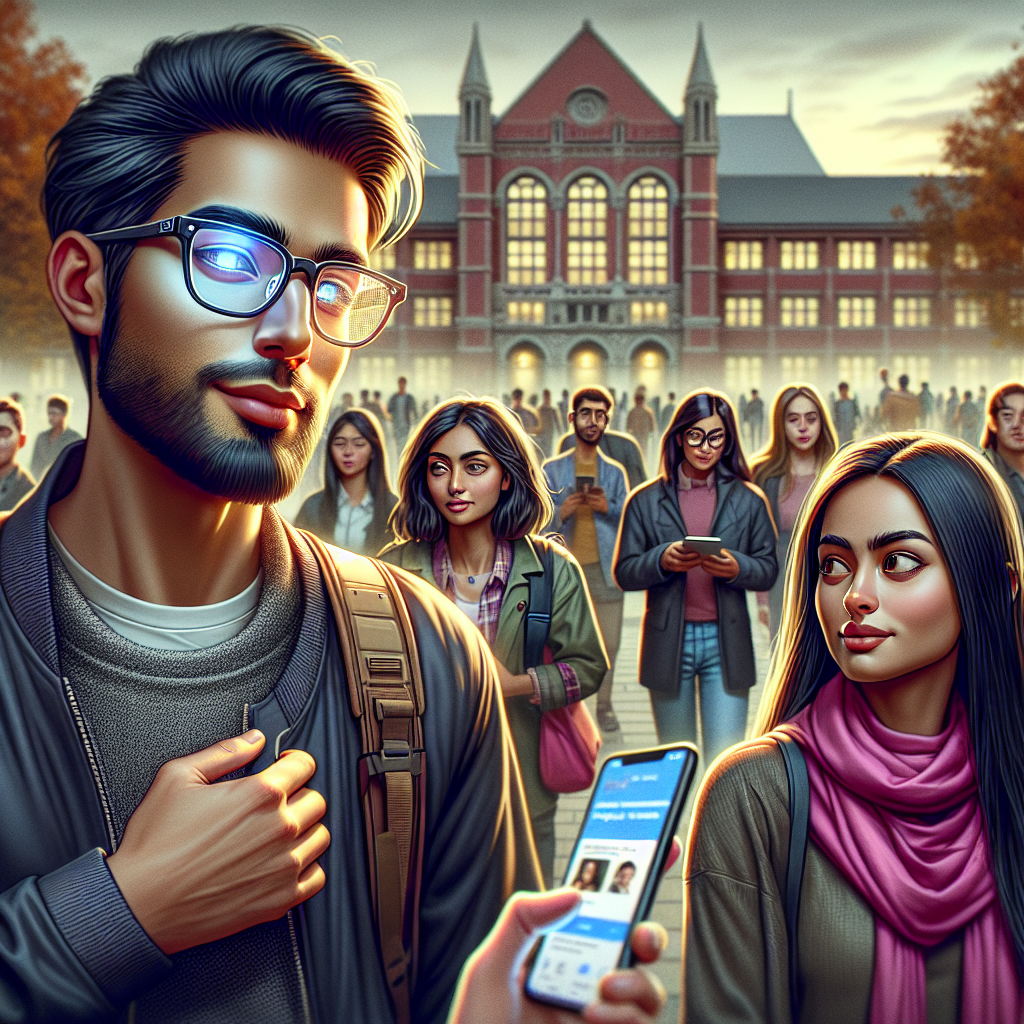
A cool October breeze sweeps the quad at the University of San Francisco. Students wander between classes, heads buried in textbooks or squinting at screens. Nearby, a stranger in stylish Ray-Ban sunglasses approaches a woman with a smirk and a question that’s just a little too personal, a little too persistent. What’s invisible in this moment? Those iconic Ray-Bans aren’t just eyewear: they’re high-tech lenses, quietly filming every move — and transforming casual harassment into trending content for social media[1][2][3].
The Rise of the Wearable Witness
Meta’s Ray-Ban smart glasses look almost identical to classic shades — but they pack tiny cameras and microphones, activated by a tap or a subtle voice command[1][2][3]. The recorded clips can instantly beam to TikTok or Instagram, sometimes without anyone around noticing. For critics, this stealth mode creates a fresh battleground: Who controls the narrative when everyday moments become viral content? Where’s the line between spontaneous fun and high-tech invasion[1][2][3]?
At USF, alarms sounded after reports of a man using these smart glasses to record women during awkward encounters. He asked invasive questions, then allegedly shared the footage with thousands online under “pickuplines.pov” — leaving his subjects anonymously exposed, their objections unseen and unheard[2][3].
Why This Matters — For Everyone
This isn’t just a campus issue. It spotlights a powerful new dilemma: consent in an era where anyone can capture and broadcast “life as it happens.” Technically, these glasses are meant to have safeguards — a front-facing LED signals recording, and Meta’s guidelines urge courtesy. But that dot of light? Lost in a crowd. Distracted students rarely notice when someone’s streaming their reactions to the world[1][2][3].
The Electronic Frontier Foundation and privacy advocates warn that wearable cameras create a gray area. Is this documenting daily life, or covertly spying for clicks? What happens when casual surveillance collides with facial recognition — instantly tying a random encounter to someone’s digital footprint, forever[1]?
How the Tech Works — and When It Breaks Down
Ray-Ban Meta glasses use discreet cameras hidden in the frames, triggered by buttons or spoken instructions[1]. A light is supposed to indicate recording, but privacy critics say it’s too subtle — easily missed, especially indoors or on busy streets[1]. Convenient sharing features mean footage goes online in seconds, sometimes before the person filmed realizes what happened[1][2].
Software is part of the problem, analysts say. Unlike obvious phone cameras, these glasses blend into everyday life. Even Meta’s own privacy policies struggle to define “public space” in a viral era where college quads, coffee shops, and sidewalks aren’t safe from the new paparazzi[1][3].
Voices from the Front Line — A Student’s Perspective
Take Julia, a fictional junior at USF. One afternoon, she’s approached by that stranger in Ray-Bans. His questions feel invasive, his tone indifferent. She brushes him off, annoyed but unknowing. Later, her roommate texts: “You’re on Instagram?” Confused, Julia sees herself in a viral clip — her retort now meme fodder, captioned for laughs. The video spreads, friends from other schools ping her. And suddenly, campus feels a little less safe, every stranger with cool shades a possible watcher.
Expert Insights and The Pushback
According to Dr. Cassandra Monroe, a privacy law analyst, “We’re witnessing the birth of anonymous surveillance by design. Unlike phones, these glasses bypass social norms — and the burden lands on victims to react, discover, and report the footage after the fact.”
Meta’s community guidelines advise users to respect bystanders — but critics say enforcement is toothless. University administrators urge students to report offenders to campus security; counseling resources are offered, but what about accountability for platforms hosting this content[3]?
Tech journalists recall the uproar over Google Glass, when “Glassholes” clandestinely filmed strangers in bars and cafes a decade ago[2]. But now, the pipeline from wearable lens to virality is shorter, faster, and powered by AI. Enforcement trails far behind innovation[1][2][3].
Ripple Effects: Industry, Government, and Community Response
After public warnings, USF launched guides on navigating privacy and reporting abuse. Industry voices call for changes: brighter recording lights, audible alerts that can’t be switched off, stricter default rules to prevent recording in “safe spaces”[1]. Some advocate for transparent audit logs — instantly visible proof of what’s been filmed and uploaded.
Government discussions are heating up. Lawmakers debate whether new privacy regulations should address wearable tech or trust social media companies for self-policing. But with engagement metrics driving platform decisions, skepticism remains[2].
Communities respond by doubling down on support: safe walk programs, peer networks, and calls for digital literacy — empowering students to recognize and reclaim their own images[3].
What’s Next / Could It Happen Again?
Will manufacturers take real steps to protect privacy, or will users remain the testers (and sometimes victims) of life lived in public? As smart glasses proliferate, their convenience and risk spread with them. Could we see schools, workplaces, or city parks become battlegrounds for high-tech “gotcha” moments?
If another scandal erupts — viral enough to catch regulators’ eyes — will tech giants truly change course? Or could the allure of hands-free “content creation” simply win out?
What do you think: Should recording strangers without consent be banned in public spaces, or is it just another part of modern life?
FAQ
What are Meta Ray-Ban smart glasses and how do they work?
Meta Ray-Ban smart glasses are wearable devices that look like regular sunglasses, but include hidden cameras and microphones. They can record photos and videos (using a button or voice command), and instantly share content to social media platforms[1][2][3].
Can people tell if Meta Ray-Ban glasses are recording?
There’s a tiny LED light that’s supposed to show when recording[1]. Critics say it’s too subtle, making it hard for bystanders to know they’re being filmed[1].
What privacy concerns are associated with Meta Ray-Ban glasses?
Major concerns include recording without consent, instant sharing to social platforms, and combining footage with facial recognition tools to identify strangers[1][2][3].
Has anyone faced consequences for filming with these glasses without permission?
At USF, the university issued warnings and encouraged affected people to report incidents, but so far, platforms have not automatically removed the videos, and the individual remains anonymous[2][3].
What can I do if I’m filmed without my consent by smart glasses?
Report the incident to campus security and the relevant social platforms. Seek support from university resources, and consider legal recourse depending on local laws[1][3].
Are there any safeguards in place to prevent misuse?
Meta’s policies suggest respecting bystanders, and the glasses have recording indicators — but critics and privacy advocates argue these measures are inadequate[1][2][3].