
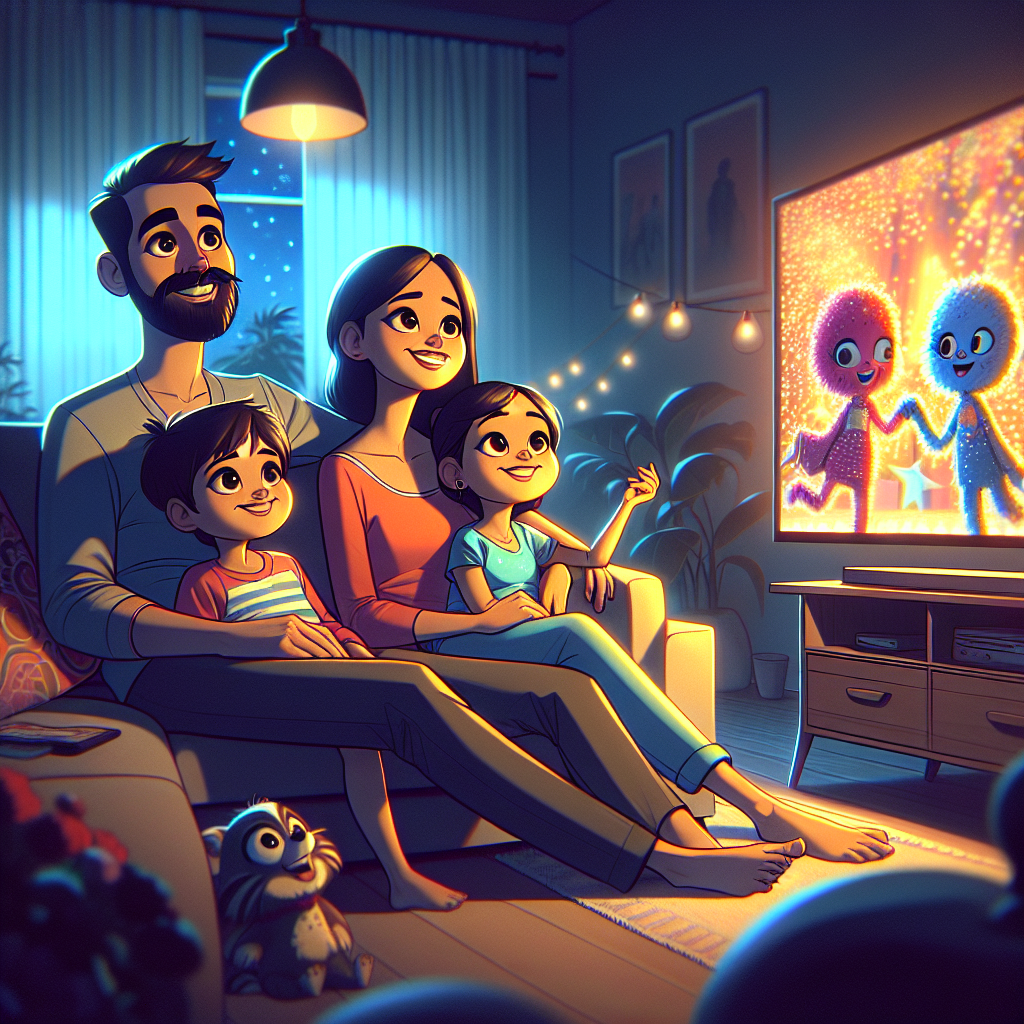
Imagine you’re sitting down for family pizza night. The living room smells like melted cheese and tomato sauce, and laughter fills the air as your kids argue over who gets the last breadstick. The TV comes on, and a new cartoon grabs everyone’s attention—fun animation, catchy music, and characters bursting with personality. At first glance, it feels like every other harmless children’s show…until suddenly, the story pivots. There’s a lesson about our country’s history, but it’s taught with a twist so strange, you nearly drop your slice.
This isn’t an episode from the golden age of PBS. This is something different, a new viral cartoon making waves online for how it tackles—some would say tiptoes around—the topic of slavery. The show’s message slips out, almost like an afterthought: that slavery, one of history’s darkest chapters, really wasn’t “that big of a deal.”
A Cartoon Crossroads
These days, children’s TV isn’t just about catchy jingles and cute animal sidekicks. Increasingly, shows are being made with a purpose beyond entertainment: to teach values, define history, and, some argue, to change the way kids see the world. This new cartoon fits that trend, but in the most controversial way possible.
It all started when a clip went viral, leaving parents, teachers, and millions of online viewers stunned. The cartoon, created by a company co-founded by someone with strong political leanings, seemed to downplay the horrors of slavery. According to the company’s own words, their mission is to introduce children to what they call “right-wing values”—in plain speech, their own conservative take on history and society.
Picture This: The Classroom Dilemma
Let’s step inside a modern classroom. The teacher cues up an episode from this new cartoon, hoping to spark a discussion about America’s past. Thirty little faces turn to the screen, animated heroes bouncing along, and then comes the lesson. Instead of a deep dive into the struggles and resilience of enslaved people, the show tiptoes around their suffering, painting history with a brush so broad that the sharp edges all but disappear.
After the credits roll, hands shoot up. Some students ask why the story made slavery sound unimportant. Others are confused, wondering if what they’ve just heard is the real truth.
This isn’t some distant debate—it’s a moment that could play out in any school, anywhere. Curious minds depend on adults to shine a light on the truth, but instead, they find themselves plunged into a new kind of confusion.
Who’s Shaping the Story?
It’s easy to assume children’s media is harmless, or at least benign, but every cartoon comes from somewhere. Some are crafted with care by educators and artists with years of training. Others, though, begin with a different goal: not just to entertain or inform, but to persuade.
In this case, the cartoon’s co-founder has openly said the goal is to steer young viewers toward a specific viewpoint—one that rewrites the darker parts of American history in softer colors. In the hands of a five-year-old, these stories often go unquestioned, turning a cartoon into more than just an after-school distraction. It becomes a life lesson, taken at face value.
Family Talks That Matter
So, what happens next? Back in your living room, as your kids hum the show’s theme song, you face a choice. Do you talk openly about what was left out of that cartoon episode? Do you find ways to share the real stories—the pain, the courage, the hard truths that shaped who we are?
Every parent and teacher has their own way, but here’s a scenario you might recognize:
Later that night, you tuck your youngest into bed. She asks, “Was slavery really not that bad?” The room is quiet, the cartoon’s bright colors already fading. You take her hand, and in your own words, you fill in what the show didn’t say. You talk about empathy, about standing up for what’s right—even when it’s messy or hard.
Beyond the Headlines—A Bigger Conversation
This cartoon controversy goes far beyond one company or one episode. It unlocks a hard truth about the screens in our homes: They shape the way our kids see the world, sometimes without us even noticing.
Children are naturally curious, and their questions—about history, about right and wrong—deserve honest, meaningful answers. No screen, no matter how flashy, can replace a real conversation. In a world where anyone can make a show and share it instantly, it falls on all of us to watch, question, and talk about what’s really being taught.
The Big Question
So, picture this: You’re back at family pizza night, the TV glowing softly as the credits roll. What would you say if your child asked, “Is history supposed to make us comfortable—or just tell the truth?”
How will you answer?