
Riding Into the Future—Until the Signal Drops
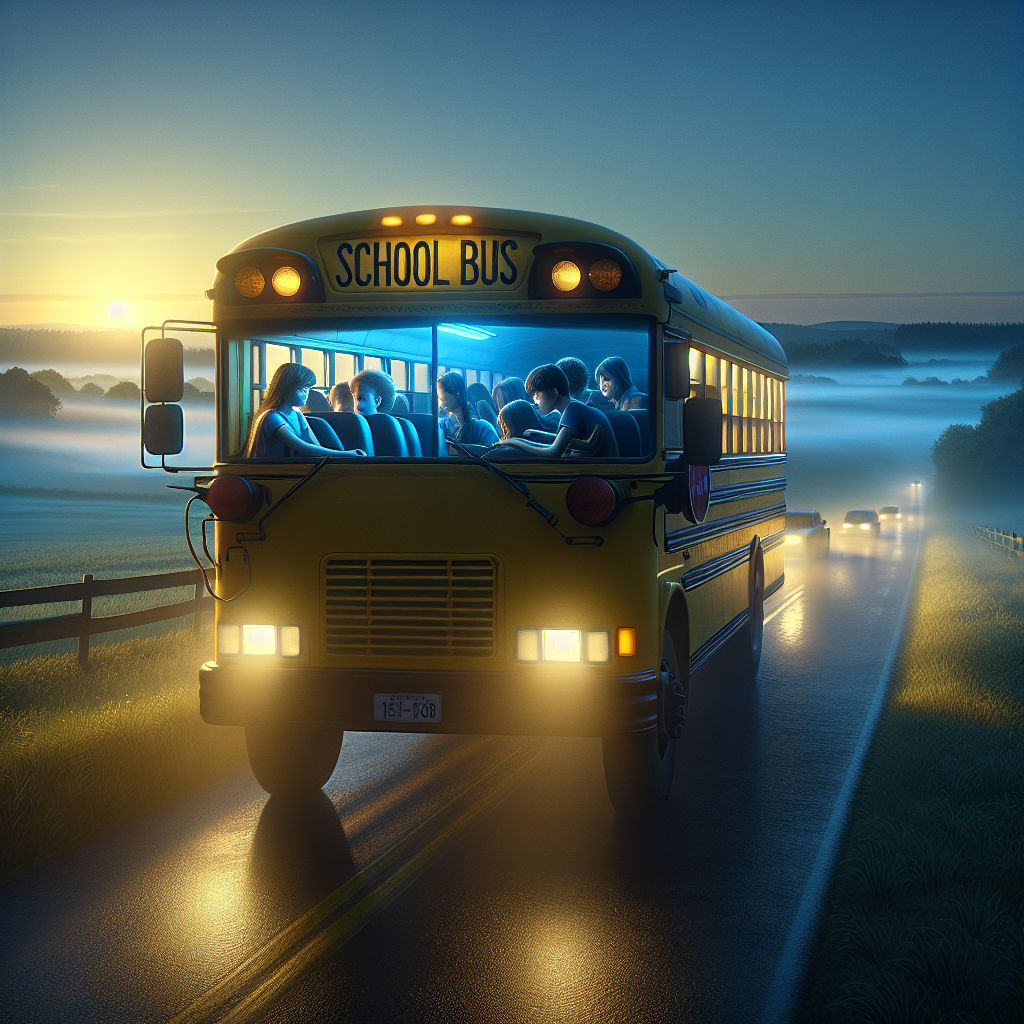
It’s just before sunrise in rural Idaho, and eighth grader Mia Harper boards her yellow school bus, eyelids heavy from a late-night basketball game. She pulls out her tablet and, with a practiced swipe, connects to the bus’s free Wi-Fi. For Mia and thousands like her, these rolling hotspots are more than a luxury; they’re a lifeline, turning long commutes into precious study time. But as the wheels hum over frosted pavement, a shadow falls over this digital routine—a new FCC proposal could soon force school bus Wi-Fi off the road[1][3].
What’s at Stake: More Than Just Internet
In early September 2025, the Federal Communications Commission announced a plan that could sever federal funding for both school bus Wi-Fi and loaned connectivity hotspots, slashing them from the E-rate program[1][3][4][5]. E-rate, for the uninitiated, is a federal initiative that has, since the late 1990s, made it possible for schools and libraries to tap government funding to connect learners to the internet—on and off campus.
The move would unravel a key pandemic-era development: the push to keep students online no matter where they lived or how far they rode to school. The consequences could be profound, particularly for families in sprawling rural districts or urban centers where home broadband is a mirage.
How We Got Here: The Pandemic—and Its Aftermath
It wasn’t always like this. While school Wi-Fi was common inside classroom walls, the idea of extending it to school buses and providing take-home hotspots was turbocharged by COVID-19. As classrooms went virtual, school buses morphed into mobile classrooms, parking in underserved neighborhoods to beam homework help across digital deserts.
But winds change in Washington. FCC Chair Brendan Carr, backed by lawmakers like Senator Ted Cruz, now argues that such off-premises internet use stretches beyond what the law allows. Critics also warn of “unsupervised screen time” and question whether federal dollars should bankroll entertainment and distractions while students are on the move[1][3][5].
What Happens If Funding Vanishes?
The current FCC proposal won’t outright ban school districts from outfitting buses with Wi-Fi—but it will make them pay the entire bill themselves, removing the critical E-rate support many rely on[2][4]. Smaller, less affluent schools could find themselves priced out, leaving students like Mia offline during long rides.
Keith Krueger, CEO of the Consortium for School Networking, puts it bluntly: “For districts that have come to rely on mobile connectivity, this will feel like a punch to the gut. It’s not just about streaming videos—it’s about access, equity, and preparing our kids for digital careers.”[2] Meanwhile, Noelle Ellerson Ng from the School Superintendents Association warns this decision could create a digital caste system: “If your district has the money, your kids are connected. If not, tough luck.”[2]
A Day in the Life: When Connection Means Everything
Picture Baltimore parents Lisa and Darnell, both working double shifts, counting on the bus Wi-Fi so their son Jalen can complete assignments during the hour-long commute. For them, losing that signal isn’t just inconvenient—it’s the latest blow in a stacked deck of inequality. Jalen’s reading scores have improved, thanks in part to assignments finished before breakfast. If the proposal passes, Jalen joins the ranks of the “homework gap”—a term for the millions of American students falling behind because they can’t get online at home.
The Broader Backlash: Outcry from All Sides
Civil rights groups, education tech advocates, and district leaders have raised the alarm, flooding FCC comment lines with stories and data. Community coalitions highlight research showing that bus Wi-Fi improves not only homework completion but also student behavior and reduces bullying, as screens become shields against scuffles[2].
Some lawmakers are also pushing back. “This is about whether we’re going to leave kids behind in a digital society,” remarked a Democratic congressman in a recent hearing. “It’s not about Netflix on a bus—it’s about opportunity.” (Quote stylized for narrative effect.)
Could It Happen Again? The FCC’s Past and Possible Futures
The debate over who should pay for digital access is hardly new. The E-rate program itself has long been a tug-of-war between aspirations for digital inclusion and the realities of federal budgets and shifting legal interpretations. If this move succeeds—fueled by a majority of new Republican FCC commissioners—it may set a precedent for reining in public connectivity programs nationwide[2].
And yet, with every retreat comes resistance. Tech advocates urge districts, parents, and students to make their voices heard in the next FCC comment round and to pressure local governments to close whatever gaps open up[2].
What’s Next / Could It Happen Again?
As the FCC’s decision looms, district IT directors, tech activists, and parents brace for impact. Will state governments step in to fill the gap? Could private-public partnerships or community foundations bridge the digital divide? Households, educators, and policymakers nationwide now face the same core question:
If access to the internet is a basic necessity for education, who should foot the bill when the classroom never stands still?
FAQ
What does the FCC proposal mean for school bus Wi-Fi and student access?
The FCC plans to end E-rate funding for Wi-Fi on school buses and for Wi-Fi hotspots, meaning many school districts may lose federal support and must cover the entire cost themselves[1][2][3].
Why is this proposal happening now?
FCC leaders say current funding for off-premises Wi-Fi exceeds legal authority and worry about how unsupervised internet access might affect kids[1][3][5].
Who will be most affected by the change?
Low-income and rural students, who rely most on these services, will face the greatest connectivity challenges if federal funding disappears[2][4].
Will all school bus Wi-Fi be banned?
No, but schools would need to pay for it using only local resources, making it less likely for underfunded districts[2].
How can communities respond?
Advocates encourage public comments to the FCC and seek local or state funding solutions if federal dollars vanish[2].
Why does this matter beyond the school bus?
It’s part of a bigger national debate—should internet connectivity be treated as fundamental as electricity or water for students?