
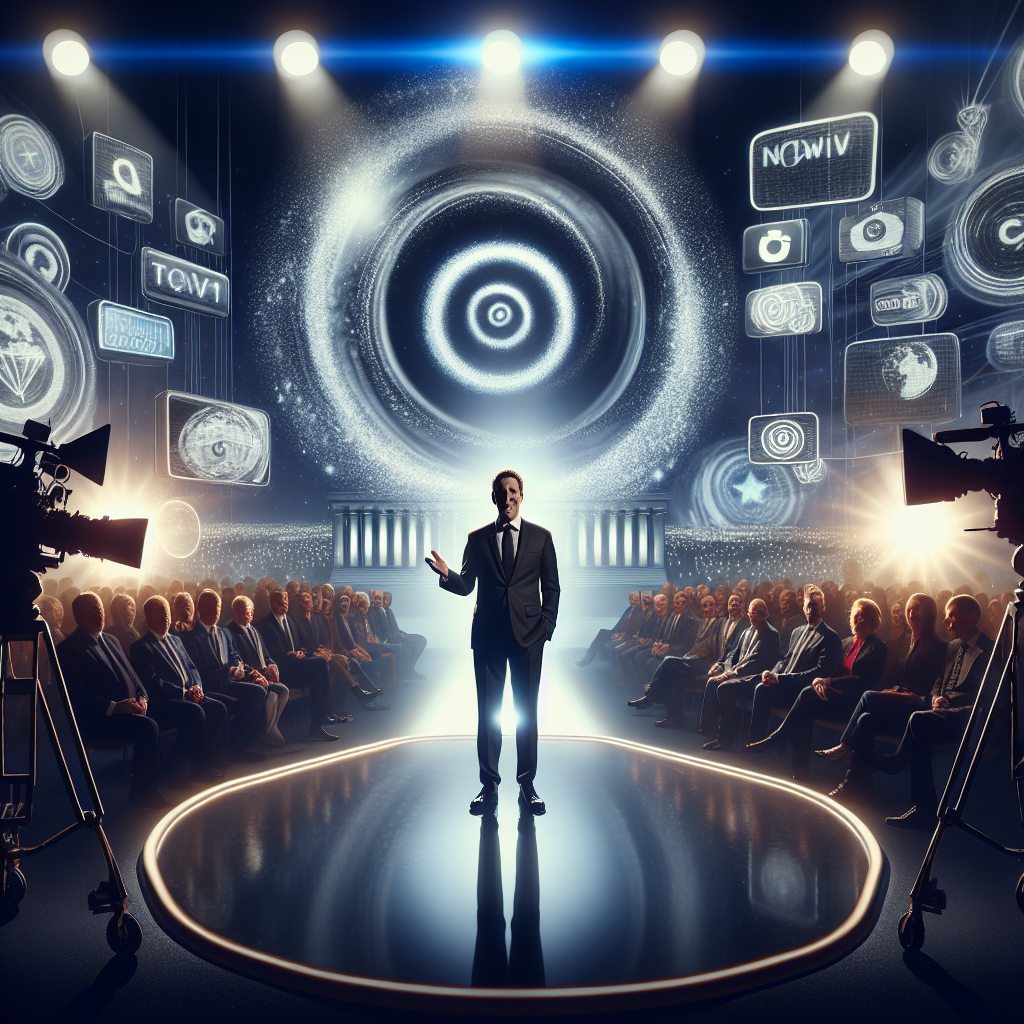
The Monologue That Started a Battle
It was supposed to be just another night on television. The studio lights gleamed, the audience buzzed, and Jimmy Kimmel—America’s seasoned late-night provocateur—cracked a joke about the Federal Communications Commission. But what unfolded next was more than punchlines and laughter; it was the spark that set ablaze a fierce debate over comedy, censorship, and the digital battleground of free speech.
Why Did The FCC React?
To casual viewers, it felt surreal: the FCC Chair, head of the agency charged with safeguarding America’s airwaves and internet, threatened public retribution against Kimmel. The reason? Kimmel’s satirical monologue criticized recent FCC policies that, in essence, could tighten control over what’s aired on television and streamed online.
It wasn’t just comedy anymore. It was a flashpoint revealing the tension between tech policy and cultural freedom.
What’s Really Going On Here?
Think of the FCC as the digital referee; they set the rules for what’s “acceptable” on TV, radio, and much of the digital realm. But as the boundaries between broadcast and internet blur—live-tweeted jokes, TikTok rants—who gets to decide what’s OK? Kimmel’s jab challenged not only FCC’s authority, but sparked public uproar against what some viewed as government overreach.
Experts weigh in:
Dr. Marisa Kwan, a digital rights analyst, lays it out. “It’s not just about Kimmel,” she tells us. “Every American who posts online wants to know—am I next? When government power meets media humor, it’s a fight over public narrative. And this one could set a precedent.”
How Could Tech Policy Mute Late-Night Satire?
Here’s the layer most viewers miss: The FCC’s regulatory power includes imposing hefty fines, suspensions, or even revoking broadcast licenses over “offensive” content—which often includes anything that’s too political, too provocative, or, as in this case, pokes fun at their own actions. In the age of streaming and social media, those lines are blurrier than ever.
Imagine an ordinary family—let’s call them the Castillos—settling in for their evening TV wind-down. Their kids watch skits, grandma laughs at corny jokes. Suddenly, shows become tightly scripted, uncomfortable with political humor. The heart of American late-night—the sharp wit, the cultural bite—starts to fade.
That’s what’s at stake. Not just for Kimmel, but for every ordinary viewer who relies on comedy to reflect, question, and heal.
The Ripple Effect: Public Outcry and Policy Pushback
Within hours of the FCC Chair’s public threat, social media was ablaze. Hashtags like #FreeKimmel and #DefendComedy trended globally. Late-night hosts, from Colbert to Stewart, rallied behind Kimmel, turning their own monologues into impassioned defenses of satirical speech.
Civil liberties organizations weighed in, comparing the chair’s threat to attempts at political censorship seen worldwide. Industry insiders whispered about “chilling effects”—the idea that fear of punishment halts creativity and honest discourse.
The government, sensing the boiling pot, issued clarifying statements:
“We respect all Americans’ right to free speech. Our policies focus on protecting children and supporting public values.” But for many, it felt too little, too late.
The Human Story: Why It Hit Home
For teacher Lana Rodriguez, the incident struck a chord. “If a public figure can be threatened for a joke, what about my classroom discussions? What about student podcasts, TikTok activism?” she wondered.
It’s not just the media; it’s the millions of personal stories and voices shaped by policies handed down from Washington’s regulatory halls.
What’s Next: Can This Happen Again?
Legal analysts are split. Some believe the FCC’s scope over internet speech is waning as streaming grows. Others caution: “Legislation can catch up fast. Unless boundaries are clearly drawn, any satirist could face unwelcome scrutiny.”
Debate now rages in Congress over media reform, oversight, and a bill seeking to limit FCC powers over non-broadcast platforms. Meanwhile, citizens—families, students, creators—wait and watch, their voices echoing across timelines and screens.
Could Comedy Be Silenced by Tech Policy?
As the spotlight swings from the stage to the Senate, this skirmish marks a defining moment in the future of digital freedom.
So here’s the question:
If satirical speech can be threatened on live TV, how safe are your jokes online?
FAQ: FCC, technology policy, and free speech
Q: Why did the FCC threaten Jimmy Kimmel after his monologue?
A: The FCC reacted because Kimmel’s jokes highlighted and criticized their policy decisions, raising concerns about government regulation of what can be said on broadcast and digital platforms.
Q: What are the FCC’s powers over broadcast speech?
A: The FCC can fine, suspend, or revoke licenses over “offensive” content. These rules shape how TV, radio, and some digital content are delivered.
Q: How does this affect the average viewer or creator?
A: Stricter FCC policies could result in bland, non-controversial programming—and may make creators hesitant to tackle tough topics or political satire.
Q: How have social media and streaming changed the game?
A: Platforms like YouTube, Netflix, and TikTok aren’t regulated the same way, but new policies could expand FCC oversight if supported by future legislation.
Q: What might happen next in the FCC vs. free speech drama?
A: Expect political debate, policy proposals to draw clearer lines, and plenty of activism from creators and citizens who value their right to joke, critique, and speak freely.