
Scene One: A Hushed Conference, A Famed Voice
The ballroom at the Global Robotics Forum crackled with anticipation. The audience leaned in, awaiting the words of Dr. Elena Granger—a roboticist whose innovations quietly reshaped everything from prosthetics to assembly lines. She cleared her throat; her message was simple but seismic: “We’re living in a humanoid robot bubble. The hype outweighs reality. Most of what you’re seeing is marketing—very little is ready for the real world.”
Few statements could part the crowd like that. Suddenly, engineers, investors, and everyday technophiles found themselves questioning the glowing headlines and viral videos that promise a future thick with walking, talking, problem-solving automata.
The Humanoid Dream: Why Does It Matter?
Humanoid robots have become tech’s most dazzling fixation. Built to replicate the shape and movement of the human body—arms, legs, dexterous hands, and a face capable of subtle expression—they hold the promise of fitting seamlessly into our world, using our tools, working in our factories, and maybe even caring for our loved ones[3].
It’s not just science fiction anymore: industry forecasts predict the humanoid robot market will explode from roughly $2 billion in 2024 to more than $15 billion by 2030, with nearly 200,000 units shipping annually by the decade’s end[1][2]. Technologies like Tesla’s Optimus, the OpenAI-backed Figure, and China’s Unitree are pushing boundaries, accelerating adoption[4]. But behind the numbers, a critical question simmers: Are these marvels practical, or are investors fueling a speculative bubble that may one day burst?
How Humanoid Robots Work—And Where They Fall Short
Most humanoids are equipped with articulated joints—mechanical means for arms and legs to bend and move naturally—and bipedal locomotion, which lets them walk through spaces designed for people. Their “brains” are advanced AI chips that process verbal instructions, images, and even emotional cues—making decisions on the fly[3][4].
But look closer, and cracks appear. Today’s units excel in simple, repetitive tasks: ferrying boxes in warehouses, acting as guides at tech expos, carrying objects or performing physical therapy in healthcare settings[3]. Their “awareness” is still stiff; if the environment or the instructions change too abruptly, confusion reigns. And the price is as varied as their promise—from $30,000 for basic models up to nearly $1 million for the most advanced prototypes[3].
AI breakthroughs are powering rapid development, but “general-purpose” robots that truly rival human capability? Still a distant dream.
Expert Views: Bubble, Boom, or Both?
Granger’s critique has gained traction. Dr. Raj Patel, robotics analyst at TechFutures, tells us, “Investors see a hundred-fold market boom, but real-world adoption is lagging. We have prototypes, not replacements.”
Governments have a watchful eye, too. The U.S. Department of Labor’s 2025 robotics review concluded: “Humanoid robots are a disruptive force for logistics, retail, and care industries—but widespread deployment remains years away. Policy must keep pace with both promise and risk.”
Yet, there are optimists. “Look at what happened with smartphones,” notes AI entrepreneur Linda Chao. “The technology matured behind the scenes, then changed everything in a decade. Humanoids might be next.”
A Day in the Life: The Caregiver Bot
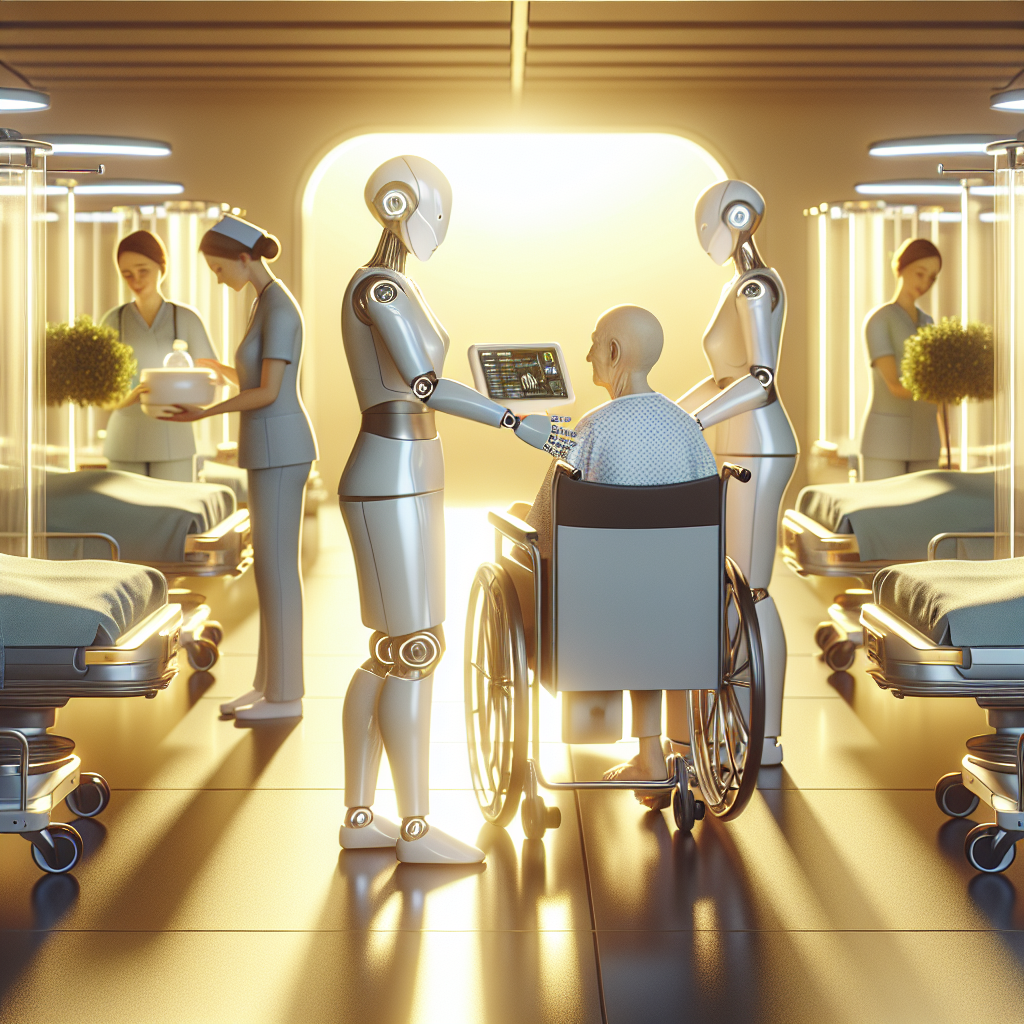
Consider Maya Johnson, a theoretical nurse in Tokyo, navigating an aging patient load alone. Her hospital deploys a fleet of “helper” humanoid robots, programmed to deliver medicines and help patients into wheelchairs. At first, Maya is relieved—the robots lighten her workload, never tire, and offer polite conversation to lonely elders.
But trouble arrives when a robot, misreading a patient’s request, delivers the wrong medication. Maya must race to correct the mistake—a reminder that human oversight is still essential. The robotic helpers are remarkable, but far from perfect. Trust, Maya realizes, must be built over time.
Global Reactions: After the Hype
Industries are both captivated and cautious. Logistics companies pilot humanoid robots for “last meter” delivery and warehouse labor, hoping to trim costs and boost efficiency[1][3]. Retailers experiment with robots for customer queries and shelf-restocking. Healthcare networks test bots for physical therapy, especially where skilled caregivers are scarce[1][4].
Meanwhile, challenger nations like China and Japan make major investments, betting on robotic caregivers to support their swelling elderly populations and stave off labor shortages[1][4].
Communities, though, remain divided: Some welcome the prospect, others fear job loss, privacy risks, or eerie “uncanny valley” interactions.
What’s Next / Could It Happen Again?
Market momentum is undeniable; the technologies are improving fast. Yet, experts warn: Sustainable growth hinges not just on hardware leaps, but on trust, transparency, and thoughtful regulation. Will today’s humanoid robotics surge become a transformative revolution—or fade, replaced by nimbler, more specialized machines[4]?
Looking ahead, the question remains: Will humanoid robots become our indispensable teammates—or will this bubble burst?
Which side of the future do you believe in? Would you invite a robot caregiver into your home, or do you want to see the tech prove itself first? Let’s hear your story.
FAQ
What is the humanoid robot bubble?
The “humanoid robot bubble” refers to the rapid hype, investment, and market excitement around human-shaped robots—a surge that may exceed current capabilities and practical adoption.
Are humanoid robots replacing human workers?
Not yet. Most humanoid robots today assist with mundane or repetitive tasks in logistics or healthcare; human oversight is still necessary to ensure safety and effectiveness.
How much does a humanoid robot cost in 2025?
Entry-level models start at about $30,000, while advanced units for industrial or specialized healthcare use can top $1 million[3].
Where are humanoid robots being used?
Most deployments are in logistics, retail customer service, and healthcare caregiving, especially in countries with aging populations[1][3].
What industries drive demand for humanoid robots?
Logistics, healthcare (elder care, physical therapy), education, and retail are major sectors driving adoption and innovation[1][4].
Could the humanoid robot bubble burst?
If practical adoption lags behind expectations and technological limits persist, the industry may see a reset in market enthusiasm and investment focus.
What’s next for humanoid robots?
Look for advances in AI, reliability, and adaptability—plus greater scrutiny by governments and regulators to manage risk as the technology matures and expands[1][4].