
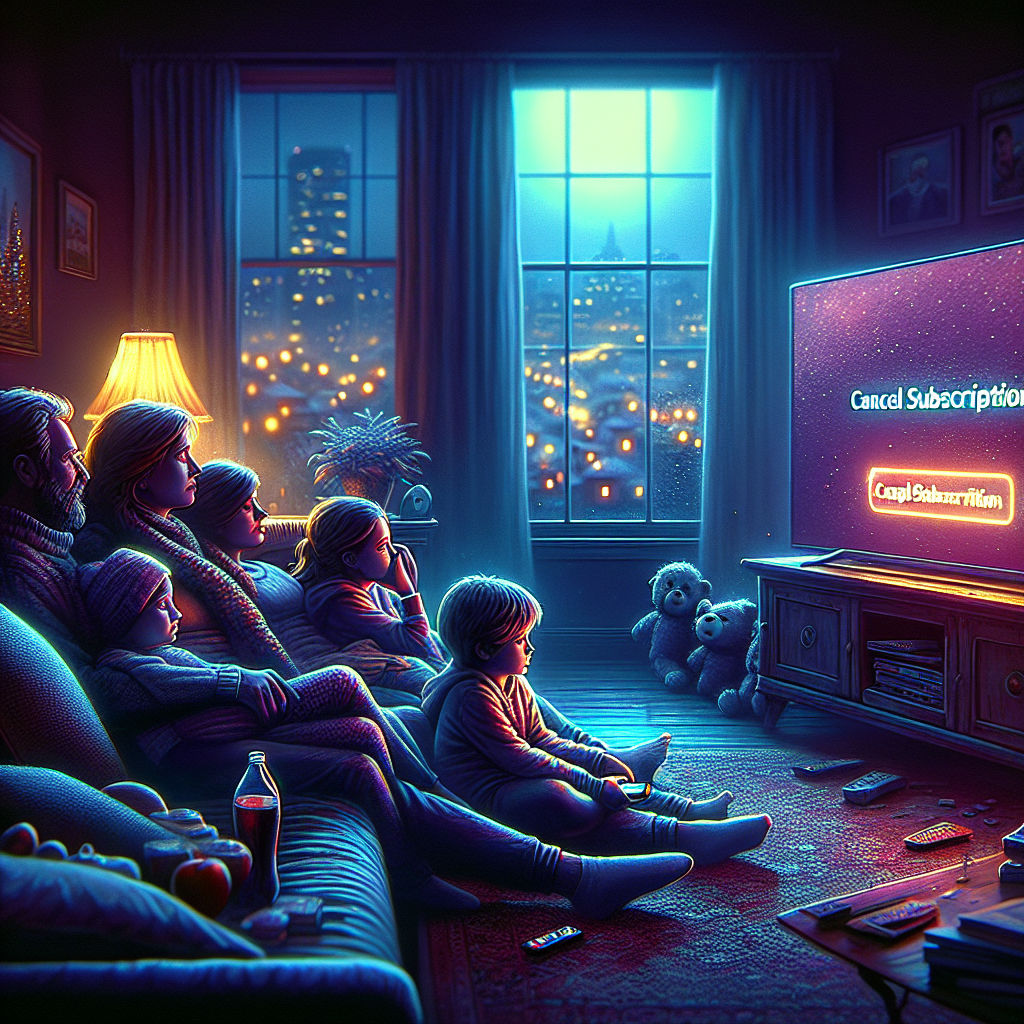
Opening Scene: The Unsubscribed Moment
Picture it: a Missouri dad, coffee cooling on the kitchen table, fixing his morning routine when his phone lights up — a firestorm of posts about Jimmy Kimmel’s abrupt suspension from ABC. He scrolls, eyes narrowing, then quietly cancels his Disney+ subscription. Multiply this by thousands, all across America, and you have a digital revolt burning through the backbone of the Mouse House’s streaming empire[2].
What’s Stirring the Mouse’s Den?
This isn’t just another entertainment spat. When Disney suspended Jimmy Kimmel, a late-night fixture for over two decades, shockwaves rippled far beyond TV studios. Within days, Disney’s stock tumbled — a staggering $1.5 billion market cap lost, nearly $3 shaved off each share, rattling boardrooms and sending analysts scrambling for explanations[1]. But why did a single talent’s suspension spark such chaos?
Anatomy of a Streaming Backlash
The trigger: Kimmel’s on-air comments — incendiary or irreverent, depending on whom you ask — led to a snap suspension. The internet caught fire. On Reddit, the story exploded with trending hashtags, screenshots of canceled subscriptions, and furious debates. This grassroots fury poured out of Reddit and swept through Facebook, X, and private chat groups, urging Disney+ and Hulu users to “vote with their wallets” in solidarity with Kimmel[2].
How did this digital rebellion move from talk to action? Here’s the attack vector:
- Fan sentiment became activism: Online, viewers who’d tolerated rising prices suddenly felt personally affronted. The social media drumbeat morphed from memes to mass cancellation screenshots
- Network effect: Friends followed friends; small ripples became waves.
- Signal boost: Hashtag campaigns caught the eye of mainstream media, multiplying the pressure and making it impossible for Disney execs to ignore.
Inside Disney’s War Room
When billions are at stake, damage control becomes a high art. Sources close to Disney describe “crisis-mode marathons,” with executives huddled behind closed doors, PR teams crafting careful statements, and data teams tracking a live dashboard of subscriber losses. One anonymous Disney insider confides: “It’s like watching your lifeboats spring leaks — and there’s no clear way to plug the holes.”
Meanwhile, industry analysts weighed in. Reed Markham, a streaming strategy consultant, offered this sobering perspective: “What we’re seeing is the first truly viral, coordinated customer protest of the streaming era. It’s likely a warning shot to every media company: Viewers expect more than scripted apologies. They want real accountability.”
The Human Toll: Viewers On The Frontline
For Emily, a working mom in Seattle, Disney+ isn’t just a streaming service — it’s the glue of Friday family movie nights. “When Kimmel got pulled, and I saw how Disney handled it, it wasn’t the fun, magical brand I remembered. It felt like a boardroom in crisis, not the Disney I grew up with.” Her household is now testing other streaming services — but the sense of trust, she says, won’t be easily restored.
How America Reacted
The loss spread beyond subscriber tallies. Politicians and advocacy groups quickly exploited the moment. Congressional leaders released barbed statements, questioning Disney’s commitment to “free expression.” Culture war talking heads spun theories about media bias, fueling further outrage that extended beyond Kimmel or even Disney, morphing into a much larger debate about control, censorship, and customer power in the digital age.
Other streamers watched with a mix of glee and apprehension. Netflix remained silent, while Apple TV+ quietly updated its customer care playbooks. Analysts noted a “chill effect” spreading through corporate media, with networks rapidly reviewing crisis protocols and prepping for the next unpredictable flashpoint.
What’s Next: Could This Happen Again?
Disney’s subscriber exodus is a wake-up call for an entire industry. The lesson? In the era of ultra-connected fandom, every executive decision echoes far beyond boardrooms. Though Disney may woo back some subscribers with new content and apologies, the trust breach and activism “template” have now been set.
Streaming services everywhere are quietly bracing for the possibility that one misstep — real or perceived — could trigger the next cancellation avalanche. Will companies learn to navigate this hair-trigger environment, or are we watching the birth of a newer, more powerful form of media democracy, driven not from the top down, but from a million screens at home?
Provocative Question:
If fans can force billion-dollar companies to backpedal overnight, are we seeing the rise of true viewer power — or just the next stage in a culture war where nobody wins?
FAQ
Why is Disney losing subscribers over Jimmy Kimmel?
Disney+ saw a surge in cancellations after ABC suspended Jimmy Kimmel, sparking outrage among fans who believed the move was unfair or politically motivated[2]. These viewers organized boycott campaigns, sharing their account cancellations online, which amplified the protest.
How did Jimmy Kimmel’s suspension trigger a Disney+ boycott?
Kimmel’s suspension for controversial on-air comments led social media users to call for the cancellation of Disney streaming services as a form of protest — a response magnified by viral posts and hashtag campaigns[2].
How much money did Disney lose due to this backlash?
Estimates indicate that Disney’s market cap dropped by around $1.5 billion in the immediate aftermath, with nearly $3 lost per share value — reflecting shaken investor confidence as subscriber numbers fell[1].
Have other streaming platforms faced similar subscriber revolts?
Yes, but not at this scale and speed. While other services have lost users over content or price hikes, Disney’s Kimmel-related backlash is considered the largest, most quickly organized subscriber protest so far.
Could this kind of mass boycott happen again?
Experts believe it’s increasingly likely. The ease of organizing online means any company could face a similar coordinated subscriber exodus if fans feel strongly about an issue.
What is the long-term impact for Disney and the streaming industry?
This episode has forced media companies to rethink PR strategies and subscriber relations, with many investing in better crisis management tools and community engagement.