
The Day the Mouse Wasn’t Invincible
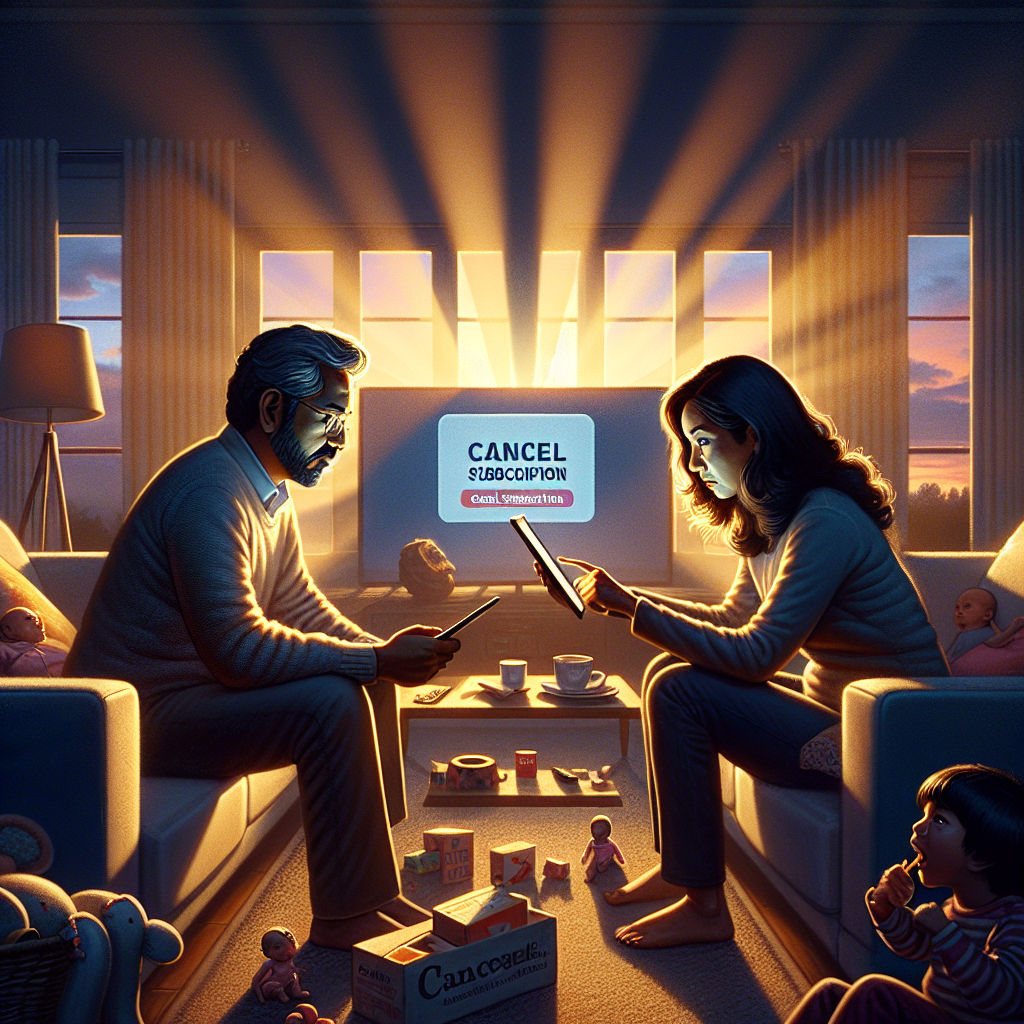
It was a Monday morning in late September, sunlight just filtering through the curtains in homes across America, when the click of a mouse—this time, not the cartoon kind—became an act of protest. In living rooms, at kitchen tables, on the subway, millions hovered over the “Cancel Subscription” button for Disney+ and Hulu. By sundown, the world’s happiest entertainment empire would have to reckon with a tidal wave of discontent no amount of on-screen magic could undo.
This wasn’t just another Twitter storm or fleeting hashtag. This was real money, real outrage, and a reckoning for the streaming era.
What Sparked the Cancel Culture Firestorm
How does a 92-year-old company find itself blindsided by a hashtag? It starts with a name Americans have known for decades: Jimmy Kimmel. For 24 seasons, Kimmel’s late-night wit—the kind equal parts smart and irreverent—had been a fixture on ABC, Disney’s flagship network.
But on September 17, 2025, after comments about the shocking, politically charged shooting of conservative activist Charlie Kirk, Kimmel’s show was abruptly suspended. Behind the scenes, pressure from the Federal Communications Commission threatened ABC’s license, prompting Disney to pull the plug—at least temporarily[3][2][5].
Within hours, that decision triggered a social media eruption. Hashtags and Reddit posts called for boycotts. But this time, the anger was laser-focused, actionable, and bigger than the blue bird of Twitter: it targeted Disney’s streaming juggernauts, Disney+ and Hulu.
Churn, Figures, and the Anatomy of a Streaming Meltdown
Streaming churn—a term for the percentage of people who cancel a service each month—can make or break subscription platforms. Disney+ and Hulu, usually boasting industry-average churn rates of 4% and 5% respectively, watched those numbers double overnight[2][3].
Research firm Antenna delivered the particulars:
- Disney+ lost 3 million U.S. subscribers in September—up from 1.2 million on typical months.
- Hulu bled out 4.1 million cancellations, more than doubling the ordinary 1.9 million shrinkage[2][3].
For context, Netflix’s churn rate remained steady at just 2%—an iceberg in a stormy sea.
But was Kimmel the only factor turning the tide? While the outrage over his suspension was the match, Disney’s recent price hikes poured gasoline on the flames, incentivizing cost-weary households to act[3].
The Protest Heard Around the Living Room
“I canceled because they crossed a line,” says Cheryl Anderson, an Atlanta realtor who called off her family’s streaming bundle during her honeymoon—hardly a time for activism. Her husband Gary, a self-described ESPN loyalist, agreed. “Freedom of speech matters. This was the last straw”[1].
Their story played out in millions of variations:
- A parent frustrated their kids’ favorite shows vanished overnight.
- A student scrambling for affordable alternatives, caught between values and entertainment.
- A retiree, tired of rising prices, finding new reasons to unplug.
The Human Side: One Family’s Tipping Point
Picture the Wilsons: Laura, a public school teacher, and her husband Marcus, a night-shift nurse. Their nightly routine involved winding down to the latest Marvel miniseries on Disney+ before Laura scrolled through documentaries on Hulu. When Jimmy Kimmel’s show went dark, Marcus shrugged it off—until Laura read aloud a news alert about the FCC’s intervention.
For the Wilsons, the situation felt personal. This “wasn’t about celebrity drama,” Laura shared. “It was a question about who controls what we see and say.” The next day, she canceled their bundles, redirecting the $25 a month toward their daughter’s library books.
Government and Industry: The Shockwaves Spread
Behind closed doors, Disney’s top brass scrambled. Executives met hastily with Kimmel, brokering a return to air within the week[2][5]. They issued no public comment, but industry experts sounded alarms.
“Disney underestimated the emotional currency of its own audience,” noted Dr. Mei Richardson, media analyst at the Digital Futures Institute. “In an era when consumers feel powerless, subscription is the last lever they control.”
By September’s end, the story’s impact stretched beyond Disney. Other services—from HBO Max and Apple TV+ to Paramount+—saw their own, smaller spikes in cancellations[2]. For the streaming world, the message was unmissable: Loyalty is rented, not owned.
What’s Next: Could It Happen Again?
Disney+ and Hulu’s September shock exposed how collective subscriber action can ripple across billion-dollar giants. New sign-ups partially offset losses, but the scars were felt[3]. In 2026, Disney plans to merge its apps, perhaps hoping to unify and simplify—but the genie of protest won’t fit neatly back in the bottle[5].
The bigger question now is: Will streaming companies change, or will audiences simply find new levers to pull?
If one canceled subscription can become a movement overnight, what happens when the next controversy hits—will your home screen still feel like home?
FAQ
-
Why are people canceling Disney+ and Hulu subscriptions?
Many subscribers cited outrage over Disney’s suspension of Jimmy Kimmel after his political comments, viewing it as a free speech issue. Price hikes also contributed to the spike in cancellations[1][3][5]. -
How much did cancellations increase?
Disney+ saw cancellations jump from 4% to 8% (about 3 million), while Hulu’s rates rose from 5% to 10% (over 4 million) in September 2025[2][3]. -
Is this the first time a boycott has hit Disney’s streaming platforms?
While previous calls for boycotts have circulated, this was the largest single-month spike in subscription cancellations since 2023[2]. -
Did Disney respond to the backlash?
Disney reinstated Jimmy Kimmel’s show after several days but did not publicly comment on the cancellations[2][5]. -
Could a similar boycott impact other streaming services?
Yes. While none saw as dramatic an effect as Disney, other platforms experienced smaller upticks in cancellations, showing the potential vulnerability of subscription-based models[2].