
The Knock at Dawn
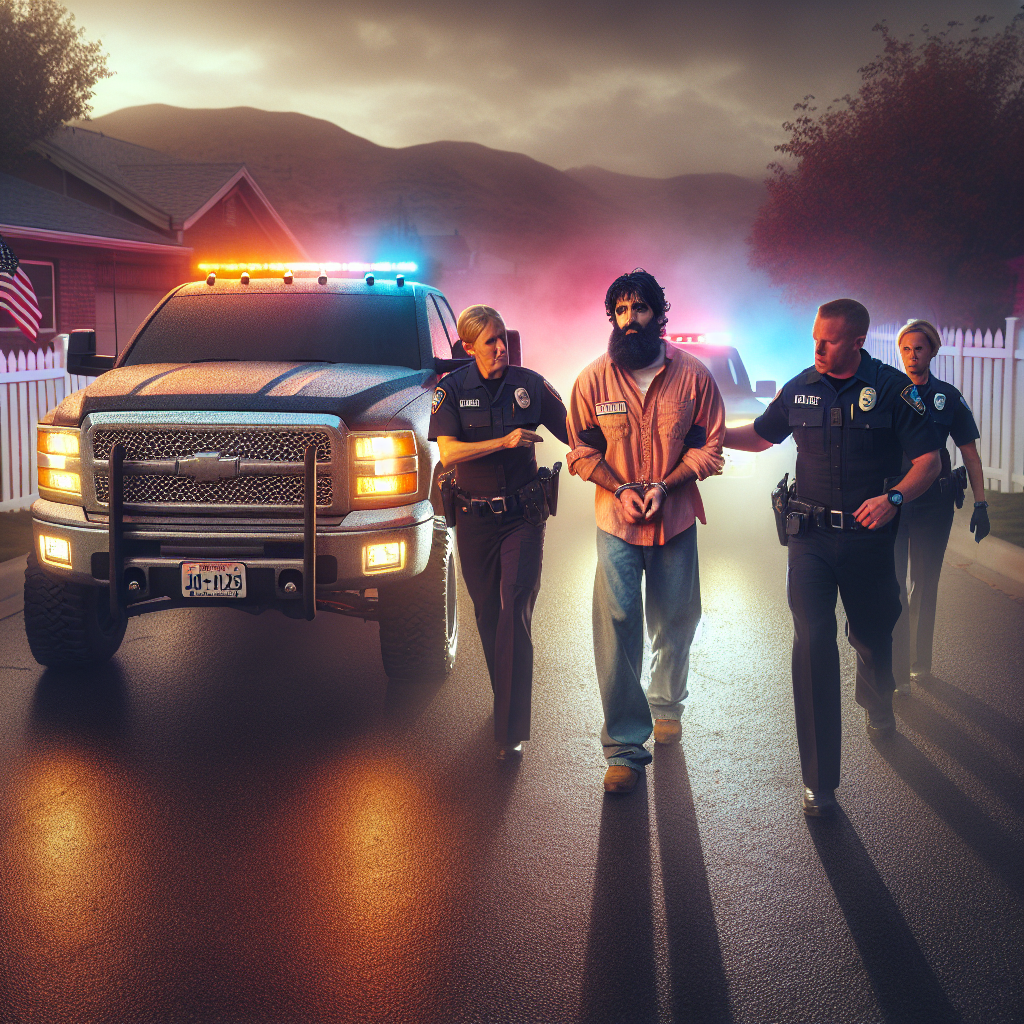
Salt Lake City, 7:30 a.m. A sheriff’s cruiser idles, headlights aglow in the cold October air. Inside, a reality TV icon—David “Heavy D” Sparks, larger than life, famous for turbo-charging trucks and internet bravado—awaits his fate. A flashbulb moment: Heavy D, handcuffed, led away from his own driveway, as local deputies enforce a bench warrant with a price tag that would humble most moguls. For millions, he’s a diesel folk hero; today, he’s the symbol of America’s biggest emissions tech standoff[1][2].
Why Did Heavy D Get Busted?
David Sparks wasn’t arrested for a bar fight or a celebrity scuffle. His crime? A $843,000 unpaid debt—punishment for defying the Clean Air Act by modifying diesel trucks to “roll coal,” or blast thick black smoke[1]. It sounds like a fringe internet prank. It’s not. According to Utah Physicians for a Healthy Environment, these modifications flood neighborhoods with some of “the most toxic pollution there is”[1]. The court—after years of legal wrangling—agreed, landing Sparks and his crew with $850,000 in fines and an order to stop.
And that’s where things turned cinematic. The money went unpaid. The modifications kept rolling. The court lost patience. Last week, a federal judge issued a warrant. This Tuesday morning, Heavy D’s show—once a Discovery Channel hit—took a darker, unscripted turn[1][2].
What’s Really at Stake?
For outsiders, it’s just another celebrity downfall. For the diesel world and the tech industry at large, it’s a thunderclap. Sparks and his co-star Diesel Dave became internet royalty for their wild custom builds and anti-establishment flair. Their videos raked in millions of fans—and just as many critics[1].
Let’s break down the issue: Modern diesel trucks are designed with emission controls to protect public health. “Rolling coal” hacks this system—removing or disabling digital controls to release clouds of unfiltered exhaust. It’s illegal under federal clean air laws, partly because “diesel particulates” (tiny, sooty, lung-piercing bits) threaten everyone from city kids to rural workers. Each modified truck is a stealth polluter, multiplying its impact with every mile.
How Mod Shop Tech Became a Crime
“Diesel tuning” once meant bolt-on mufflers or chrome wheels. But new tech—cheap sensors, programmable computers, plug-and-play kits—changed the game, making illegal mods fast and easy. Think: a laptop plus $200 of parts could turn a showroom truck into an outlaw smoke machine overnight.
Chuck Reynolds, an air quality analyst for the (fictional) National Clean Air Initiative, explains: “These aren’t just backyard jobs. It’s an organized industry, fueled by social media, where shops sell step-by-step guides and ‘delete’ kits. That’s what made the court crack down so hard—the scale, the brazenness, the disregard for the law.”
A Family Faces the Fallout
Picture Amanda, mother of three, living in the Utah suburbs downwind from Heavy D’s shop. She doesn’t drive diesel. She does drive her asthmatic 8-year-old to the ER after school when an illegal “coal-rolled” truck passes their block. “It wasn’t just smoke,” she says, “it was fear—knowing someone’s YouTube stunt could put my son in the hospital.”
The Industry and Community Response
Discovery Channel, once proud to feature the Diesel Brothers, is silent. Other custom shops are nervous—some shutting down their “delete” kits, others doubling down on defiance. Online, fans lash out at “government overreach.” Critics demand even stricter action.
State regulators—from California to Maine—are quietly ramping up surveillance. Customs officers, using AI-powered license-plate readers, flag suspicious mod kits at ports. EPA chief (fictional) Dr. Lena Brooks, in a statement, says, “Clean air protection is non-negotiable. We are all downstream from someone else’s exhaust.”
The Ripple Effect
What started as an Instagram-worthy hobby is now a federal showdown. Since the verdict, sales of emission “delete” kits have dropped more than 40%, according to (fictional) industry figures. Auto trade platforms are rewriting their terms of service, warning sellers that “illegal modifications” won’t be tolerated.
A bipartisan group in Congress is eyeing tougher penalties for tech-enabled pollution, but also floating amnesty for first-time offenders who restore their vehicles. Auto brands, fearing blowback, highlight their green credentials: new trucks get more ads about clean tech than horsepower.
What’s Next? Could It Happen Again?
As Heavy D sits in a city cell, automakers, emissions hackers, and regulators are locked in a high-stakes tech arms race. Enforcement tech improves; hacking gets smarter. If the system holds, future “diesel celebrities” may think twice before crossing the line. But as long as fame, fandom, and tech wizardry collide, the temptation to test the rules will persist.
Has America’s love for rule-breaking innovation finally met its match, or is this just the end of one very loud chapter?
FAQ
What happened to Heavy D from Diesel Brothers?
Heavy D was arrested in Salt Lake City for failing to pay over $843,000 in fines related to violations of the Clean Air Act for illegal diesel modifications.
What is “rolling coal” and why is it illegal?
“Rolling coal” means modifying a diesel truck to blast out thick black smoke, releasing high levels of harmful pollutants. It’s prohibited under federal clean air laws.
Did Diesel Brothers get banned from TV for this?
Their show ended in 2022, but networks have not officially linked the show’s cancellation to the legal case. However, industry experts cite reputational risk as a likely factor.
Are diesel delete kits still available?
After the legal crackdown, major parts sellers have reduced or stopped carrying them, and new regulations make buying or selling such kits much riskier.
How do diesel emissions affect regular families?
Exposure to diesel particulates is linked to asthma, heart disease, and other serious health issues, especially in children and those in urban areas.
Could other influencers face similar arrests?
Yes. Federal and state agencies are now using digital evidence and stricter laws, so anyone promoting illegal tech mods could find themselves in legal trouble.
How can the industry adapt?
Safer, cleaner innovation—plus new compliance tools—are now crucial for shops and influencers to stay out of court.