
The Shot Heard Around the Internet
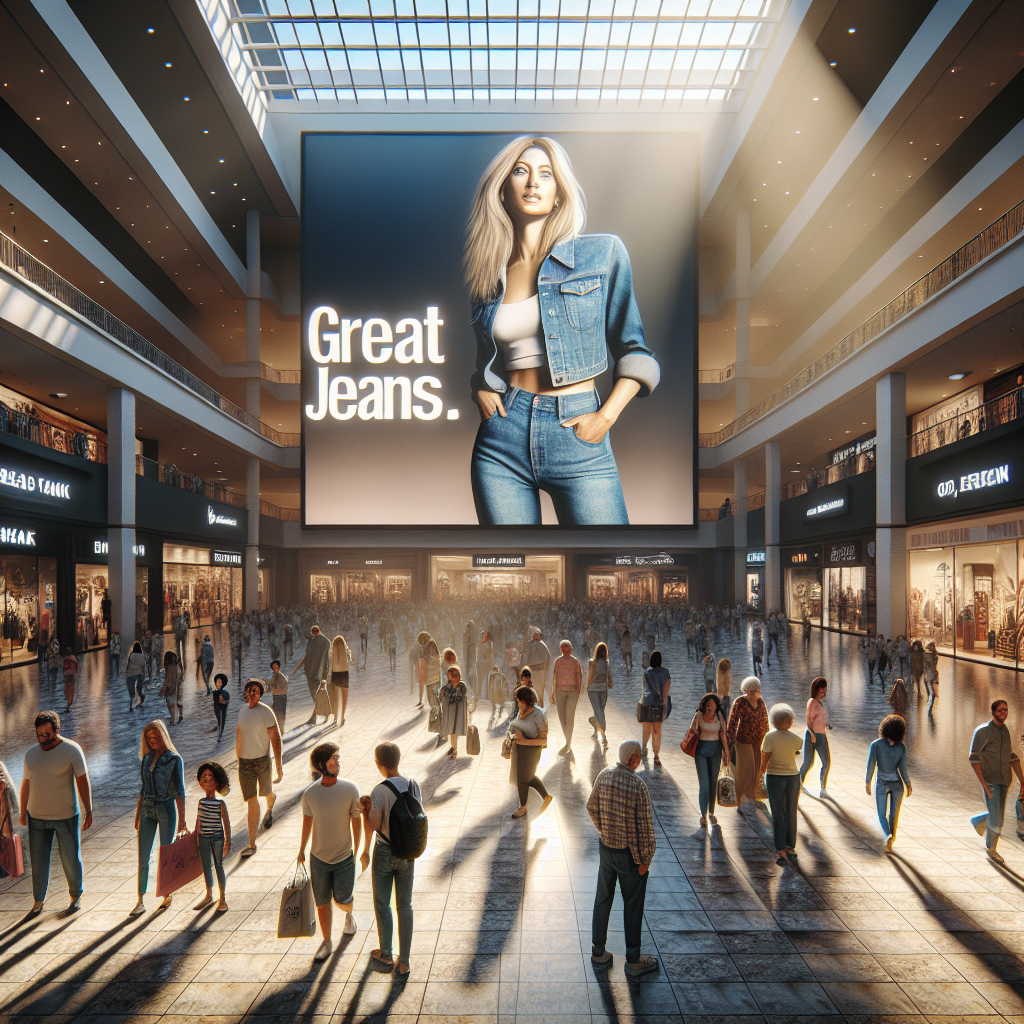
It began on a late July morning—sun splitting the clouds over Manhattan, screens blinking to life everywhere. A blue-jeaned Sydney Sweeney smiles into the camera, her voice soft as she teases, “My jeans are blue.” It’s a commercial for American Eagle, a jeans brand usually as vanilla as mall escalators. But within hours, what started as a wordplay—‘great jeans’—had ignited a digital wildfire. Some saw clever marketing. Others saw something deeply ugly. America, it seemed, was about to argue about jeans.
When Pun Becomes Powder Keg
American Eagle’s campaign with Sweeney used a playful nod to genetics—“great jeans”—to, presumably, sell denim[2]. Instead, it provoked a culture war. Critics on social media accused the ad of reviving “eugenics” dog whistles—a sinister historical movement that once used notions of “good genes” to justify prejudice and exclusion[1].
Fox Business reported that the company’s CEO, Jay Schottenstein, told his team to “remain calm and not comment” as the controversy exploded. He was stunned by the accusation, insisting the ad was only about jeans, not genes, and that “we never would’ve done it if… the ad was offensive”[1].
But American Eagle couldn’t run from the digital avalanche. Within days, media outlets, influencers, and even university professors weighed in, warning that the phrase “good jeans/genes” can evoke fraught memories of America’s eugenics era[1].
The Nation Splits—Data Don’t Lie
By week’s end, public opinion—once as neutral as the store’s dressing room mirrors—had turned electric. According to new polling, 54% of Americans thought the ad was fine; 16% called it inappropriate, and the rest were unsure[2]. But the real story was in the split: approval among Republicans soared to 78%, even as support among Democrats dropped to 38%[2]. Suddenly, jeans were a litmus test for political identity.
On August 4, former President Donald Trump praised the campaign, calling Sweeney’s spot “the hottest ad out there”—and approval among conservatives spiked. Meanwhile, Democratic approval cratered, opinion becoming even more polarized[2].
American Eagle’s stock, meanwhile, leapt by 25% as controversy swirled. The company reported record-breaking new customers and brand awareness that “cut across age demographics and genders”[1].
How Did We Get Here? The Mechanics of a Viral Flashpoint
To understand this moment, you need to appreciate how viral storms unfold in 2020s America. A phrase like “great jeans” is simple—punning on “genes”—but in an outrage-prone, hyperconnected online culture, simplicity becomes a target. Every ad is data-mined for hidden meaning.
Amplification happens in three stages:
-
Incendiary critique: Social media leaders accuse a brand of coded messaging—real or imagined.
-
Memetic spread: Influencers, musicians (Lizzo, Doja Cat), and meme-makers mock or defend, flooding feeds[2].
-
Shock and rally: Political heavyweights weigh in, further driving the partisan wedge.
By the time network news grabs hold, opinions have calcified into binary camps. Approval scores surge or crash, splitting along gender, race, and—most powerfully—party affiliation[2].
A Family Dinner: One Fictional Night in Ohio
Picture Olivia, a 16-year-old from Akron, scrolling her phone while her father, Mark, reads the local paper. Olivia sees American Eagle’s ad everywhere—on TikTok, Instagram, even her school’s group chat. Her friends joke about having “bad jeans” after a tough math test. But at family dinner, her uncle erupts: “It’s racist garbage! They’re talking about eugenics!” Mark sighs, “It’s just wordplay—she sells jeans.” Olivia wonders how a shopping ad turned her house into a microcosm of America: divided, tense, and all too ready to argue.
The Corporate & Government Response
American Eagle’s stance was unusual for a major brand: hold steady, avoid apology, and ride the storm. Other clothing companies—Gap, Lucky Brand—scrambled to adjust their own marketing, watching the fallout closely[1].
Academics and cultural critics called for more sensitivity in advertising, while some politicians attempted to harness the controversy for political gain. The Federal Trade Commission issued no direct statement, but a White House spokesperson suggested this as “just the latest evidence that American brands must understand the power of language.”
The Aftermath: Social Ripples and Profit
Despite a weeklong digital pummeling, American Eagle’s metrics soared. Brand “impression scores” among Republicans shot up, while Democrats’ plummeted[2]. The split was so stark that once-bipartisan clothing choices now mapped squarely onto America’s deepest divisions. Musicians and meme-makers drove the ad even further into the pop-culture bloodstream, ensuring Sweeney’s denim-clad smile would linger for weeks.
What’s Next: The Road Ahead
The dust hasn’t settled. Could it happen again? Almost certainly. As advertising, pop culture, and politics blend ever more tightly into our feeds, another everyday phrase could spark tomorrow’s controversy.
Marketing professor Lila Chen puts it bluntly: “Brands used to ask, ‘What’s our message?’ Now they also have to ask, ‘How might this blow up?’”
Will the next viral flashpoint teach us to see past the spins and puns—or just deepen our divides?
FAQ
What is the Sydney Sweeney ad controversy?
The controversy centers on American Eagle’s Sydney Sweeney ad, which used the wordplay “great jeans” and set off accusations online that it referenced “good genes”—echoing historic eugenics rhetoric.
Why did the American Eagle campaign become so divisive?
The ad’s pun, combined with America’s polarized media environment, made it a perfect storm: Republicans largely approved, while Democratic support plummeted, turning denim into a political symbol.
How did this controversy affect American Eagle’s business?
Despite (or because of) the backlash, American Eagle gained new customers and saw its stock and brand awareness soar, especially among conservative demographics.
What role did social and political figures play?
Influencers, pop stars, and politicians amplified the debate, contributing to rapid polarization and ensuring the ad’s fame—and infamy—endured far beyond its initial run.
Could a similar viral marketing controversy happen again?
Absolutely—experts agree that as brands wade deeper into social commentary, even simple wordplay can trigger massive, unpredictable reactions.