
The Night of the Gommage — And a City Holds Its Breath
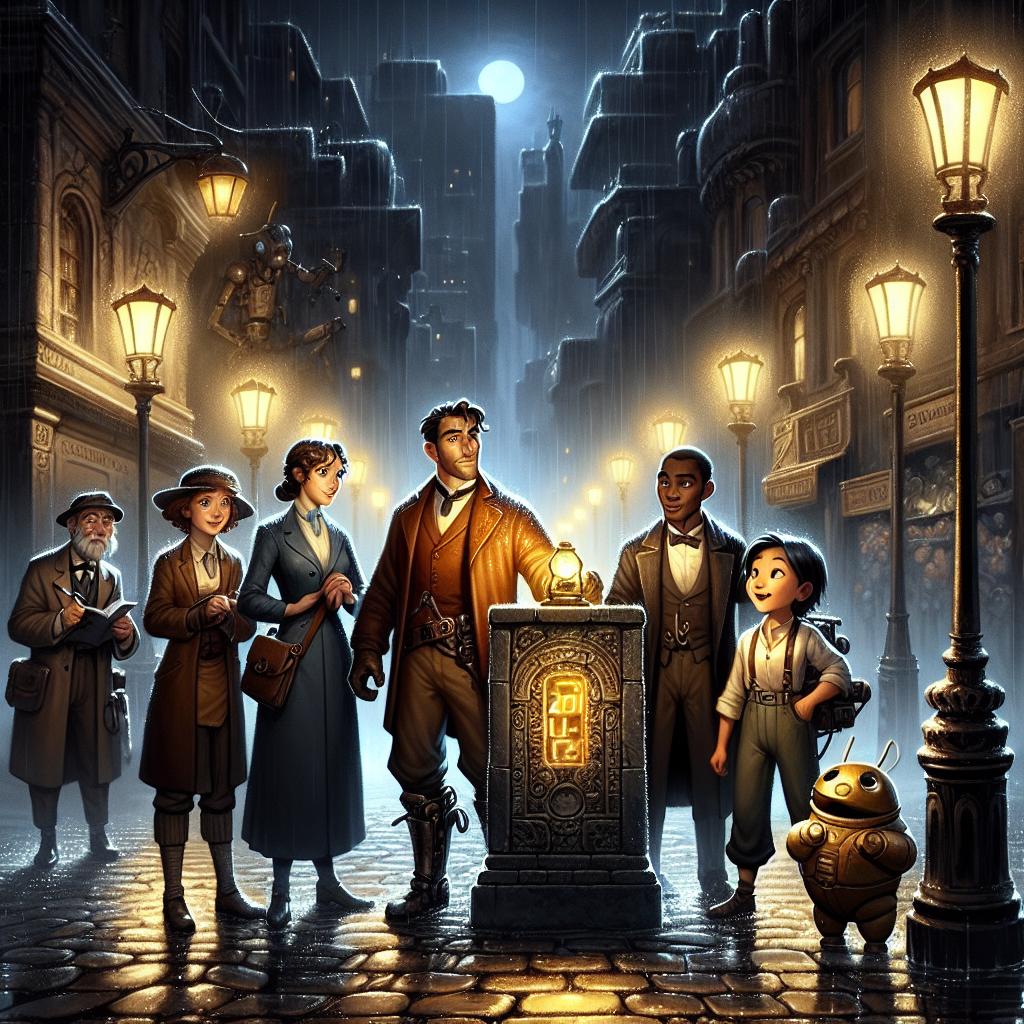
In the heart of virtual Lumière, an entire city gathers in trembling silence as the clock nears midnight. Every year for 67 years, this moment arrives: The Paintress stands before the Monolith, brushes poised, ready to erase another swath of the living with a single, painted number. For Maelle, the youngest member of Expedition 33, each breath feels like it could be her last. The Gommage is merciless. No one feels safe.
But this year, players worldwide watch not as detached observers, but as newly empowered agents of hope. They are the Expeditioners. And their journey is about to change the rules of the game.
A Game Born in Uncertain Times
The story of Clair Obscur: Expedition 33 began not with fanfare, but with quiet desperation. Guillaume Broche, then a Ubisoft designer, was locked down during the pandemic—consumed by nostalgia for the grand, story-driven epics of his youth. Broche missed games with consequence, style, and heart. His answer: build a studio from scratch, rallying a small army of fellow dreamers to form Sandfall Interactive in Montpellier, France[1][2].
Armed with big ideas but tight resources, the team embraced Unreal Engine 5, a cutting-edge tool that let their handful of artists punch far above their weight. “With Metahuman and new capture tech,” Broche told a rapt audience in Paris, “we could craft characters whose eyes remember trauma and whose smiles hold secrets—not just pixels, but people you care about.” In a world where triple-A polish is often reserved for shooters and sequels, this alone was radical[2][3].
What’s Really at Stake: A World on the Edge of Forgetting
Expedition 33’s core conflict feels mythic, but achingly human. Every year, everyone at or above a particular age simply vanishes—a fantasy curse with grim echoes of real-world loss. The player joins an ever-shrinking band of survivors—the titular Expeditioners—who trek beyond the barricaded city, hunting for the Paintress who claims the power of life and death.
From Gustave, the one-armed engineer, to Sciel, the joyful warrior, these characters aren’t just archetypes—they bleed, grieve, joke and bond as the world falls apart around them. Their party’s journey is lushly rendered, borrowing the ornate flare of Belle Époque Paris: gas-lit boulevards, haunting music, and costumes that seem stitched from dreams and nightmares[1][5].
Combat, usually predictable in role-playing games, here demands improvisation. Each turn-based decision is electrified by real-time parries, dodges, and skill triggers, keeping even genre veterans on the edge. Even basic monsters can end your run if your timing slips. Progress is balanced perfectly between risk and reward—creating a rhythm that never lets you zone out[1][2][3].
The Human Toll: “Will Maman Still Remember Me Tomorrow?”
Imagine: Sophie, a fictional teacher on the island, tucks in her daughter every night knowing she may wake to another number on the Monolith—and maybe, this time, her own. She used to fear for herself; now, as the Gommage number drops each year, she fears for her child. The rituals of life—birthdays, graduations, goodbyes—are suffused with dread and hope. Technology made this world possible. But it’s the writing and voice acting that make its sorrow sting, and its rare triumphs feel earned.
Breaking the Mold: How an Indie Vision Surprised Everyone
Analysts expected Sandfall Interactive to land a cult hit. Nobody forecast a juggernaut. Yet, with over five million copies sold within five months, the industry blinked. “Expedition 33 proves you don’t need thousands of staff to create something that feels alive,” remarked gaming analyst Elodie Laurent. “The secret was relentless creative focus—and technology, finally, catching up to indie ambitions.”[4]
Behind the curtain, Sandfall’s technical accomplishments stood out: Where most Unreal Engine 5 games struggled with “stuttering,” Expedition 33 ran smooth thanks to months of tireless optimization and publisher QA support. Characters’ facial animations, recorded on little more than iPhones, evoke surprising nuance—the kind that big studios spend millions to imitate[3][2].
Ripple Effects: When Small Studios Become Giants
Suddenly, the question on every developer’s mind: If Sandfall could do this, so could we. Other indie studios boosted investment in high-fidelity tools. Major publishers reevaluated the importance of creative autonomy. And, poignantly, a generation of RPG-faithful fans saw their passion validated in a blockbuster release[4].
Meanwhile, the makers themselves refuse to “buy into their own hype.” Broche insists their next game will chase “crazy ideas” and remain artful and small, rather than scaling up into corporate comfort.
The World Reacts: From Paris to Tokyo
Governments took note too, particularly France, eager to promote creative tech exports. French cultural institutions hosted exhibitions about Lumière’s fictional history—the first time a game became a national conversation starter, not just a distraction.
Fans—some who played with grandparents, others who found solace in its darkness—flooded social media. The game’s core question (“What would you do if tomorrow disappeared?”) echoed everywhere, from family kitchens to city halls. In an age of fleeting digital fads, here was depth.
What’s Next: Could It Happen Again?
The success of Clair Obscur: Expedition 33 isn’t just a fluke—it signals a sea change. With Sandfall quietly teasing new projects “beyond genre labels,” the appetite for artful, meaningful games is real[3][4]. But can the next wave harness technology’s power for good, or will it simply overwhelm smaller voices with noise?
And as Expeditioners still journey across illuminated boulevards and shadowed alleys, one question remains: If you could change the world’s fate—would you?
FAQ
-
What is Clair Obscur: Expedition 33?
It’s a breakout 2025 role-playing game blending a dark fantasy setting with innovative mechanics, created by French indie studio Sandfall Interactive[1][5]. -
How does its combat system work?
It fuses traditional turn-based strategy with real-time actions—dodges, parries, and quick-time events—to keep battles fast, tense, and cinematic[1][2][3]. -
Why is it so critically acclaimed?
Its storytelling, technology (Unreal Engine 5), emotional depth, and indie ambition set a new industry standard, surprising both critics and fans[2][4]. -
What is the Gommage in Expedition 33?
The Gommage is an annual event where every person above a certain age vanishes, raising the stakes every year and forming the game’s emotional core[1]. -
Can indie studios now compete with big publishers?
This game’s success suggests yes—cutting-edge tools and focused vision allow small teams to craft hit experiences once thought impossible[2][3][4].