
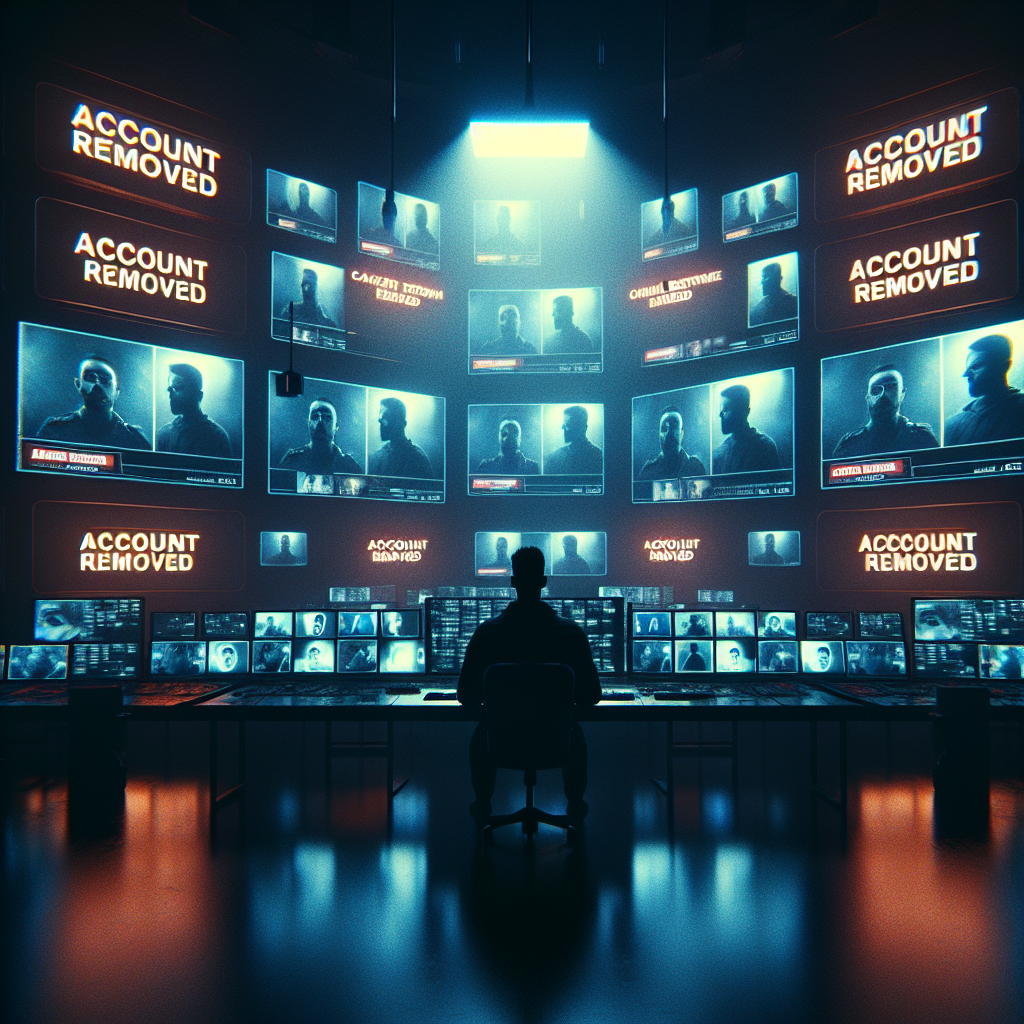
The Night the Screens Went Dark
It was just past midnight on an average Wednesday when a digital tremor pulsed through the American internet. Screens flickered open to the recognizable, incendiary faces of Alex Jones and Nick Fuentes — two of the country’s most infamous voices, newly resurrected on YouTube after years in exile. For a brief window, their return felt like a seismic reset of the boundaries between free speech and platform control. But within hours, those channels vanished. Not with a bang, but a silent, coordinated erasure — leaving a nation of fans, foes, and casual viewers staring at “This page isn’t available”[1][2].
How Did We Get Here? The Whiplash of Platform Policy
The world has grown accustomed to sudden U-turns in the world of tech policy, but few sagas crystalize this whiplash better. In early September, YouTube — riding public pressure and political tides — announced it would begin a “pilot program” to reconsider some lifetime bans issued for COVID-19 and election-related misinformation[1][2]. Lawmakers like Rep. Jim Jordan trumpeted it as a victory for free speech; right-wing influencers openly speculated about mass amnesty.
But the reality? The rules hadn’t changed — at least, not yet. The one thing that was clear: users previously banned for hate speech or child endangerment were still entirely unwelcome[2][3]. Yet that didn’t stop Alex Jones and Nick Fuentes from launching fresh channels — Jones, once purged for child endangerment and hate speech; Fuentes, exiled for promoting hate and incitement. Within hours, YouTube’s automated systems detected the violators, and a company spokesperson confirmed these new accounts served as textbook cases for swift, policy-driven takedowns[2].
Caught in the Crossfire: Free Speech or Public Safety?
To outsiders, it might feel like just another spat in America’s rolling culture war. But for policy experts and digital-rights advocates, the stakes are enormous.
“YouTube is navigating a minefield,” argues Dr. Anita Malik, a professor specializing in digital governance (a composite voice, representative of expert sentiment). “Let extremists back in, and you risk incitement. Keep bans rigid, and you’re attacked for censorship. There’s no clean exit.”
Some, like tech analyst Marcus Rowe, draw a parallel to airport security after 9/11: “YouTube’s policing is broad, sometimes clumsy — but with every misstep, both sides scream either ‘Orwell’ or ‘Anarchy.’” The emotional tone is unmistakable, the sense of stakes deeply personal.
One Family, Many Screens: When the Algorithm Hits Home
Consider the metaphorical Johnson family — a microcosm of the American digital experience. Tara, the mother, tries to shield her children from what she calls “digital poison” — extremist politics, relentless fearmongering. Her husband, Dave, complains: “I just want to hear everything. If a view’s out there, I should get to decide what I think.” Their son, Lucas, quietly follows internet rabbit holes, sometimes landing on commentary that echoes Jones’ conspiracies or Fuentes’ hate-laced diatribes. Every “ban” sparks dinner-table arguments over what freedom and safety really mean.
The Unseen Algorithm: How Takedowns Work
In public, YouTube’s explanations tend to be minimalist. But behind the scenes, a blend of AI-driven flagging and human review is what keeps the purge engine humming. The moment a new channel launches, its creators’ digital fingerprints — name, IP address, device metadata — are compared to an ever-growing blacklist[2]. Once matched, a takedown is virtually automatic.
But the cat-and-mouse never ends. Creators evade bans using VPNs, pseudonyms, or alternate hosts like Rumble and BitChute. Sometimes, as industry insiders admit, enforcement feels like “patching a leaky dam with duct tape.”
The Public Reaction: Shock, Outrage, and a Deafening Divide
As word spread that Jones and Fuentes had been snatched offline so rapidly, reactions split along the usual fracture lines. On one side: outrage at “censorship.” Steve Bannon thundered on his podcast: “Alex Jones and Nick Fuentes put up YouTube channels last night. Guess what? Taken down right away. It’s unbelievable.”[1] Political figures like Vivek Ramaswamy and Rep. Jordan declared it an affront to “the peaceful expression of opinions.”[1][2]
On the other side: worry and relief. Anti-hate organizations and digital watchdogs pointed to previous incidents of real-world violence traced back, in part, to unchecked online radicalization[3].
What Happens Next? Could This Happen Again?
For now, YouTube promises that “more information will be available soon” about its ambiguous reinstatement pilot — but warns that hate speech, incitement, and previously terminated users remain clearly out of bounds[2]. The lesson? Whatever the rules, controversy and whiplash will come with every algorithmic decision.
But as new platforms — from Elon Musk’s X to start-ups like Cozy.tv — jostle for the “free speech” mantle, the question looms: In the war for attention, who gets to define the limits? Will safety, profit, or principle win out in the end?
And maybe the bigger question: If the platforms are the pulpit of our digital society, who’s the real moderator — the algorithms, the lawyers, or the crowd?
FAQ
Why were Alex Jones and Nick Fuentes banned from YouTube again?
Both men were previously banned for repeated violations of hate speech and endangerment policies. When new channels linked to them appeared, YouTube’s detection systems flagged and swiftly removed them, citing ongoing policy[1][2].
What’s YouTube’s current stance on banned creators?
YouTube claims it’s testing a pilot program to potentially let some creators back, but this is not yet live. Those banned for hate speech or more severe offenses, like Jones and Fuentes, remain barred[2].
How does YouTube detect when banned users return?
YouTube uses digital markers such as account information, device IDs, and network fingerprints to detect and block banned users, even if they return under new names[2].
Is this part of a broader tech censorship wave?
Tech giants are under immense public pressure. Some critics say moves like this chill free speech, while supporters argue they are necessary to prevent real-world harm[1][3].
Are there alternatives for banned creators?
Yes, platforms like Rumble and BitChute often relax content rules, giving deplatformed figures new megaphones[3].
Could mass reinstatements happen soon?
Unlikely for highly controversial figures — but YouTube’s “pilot” has yet to reveal its final criteria[2].
Have ripple effects been felt in politics or society?
Absolutely. Lawmakers, advocacy organizations, and the public all reacted intensely, with debates on platform responsibility and free speech only growing hotter[1][2].