
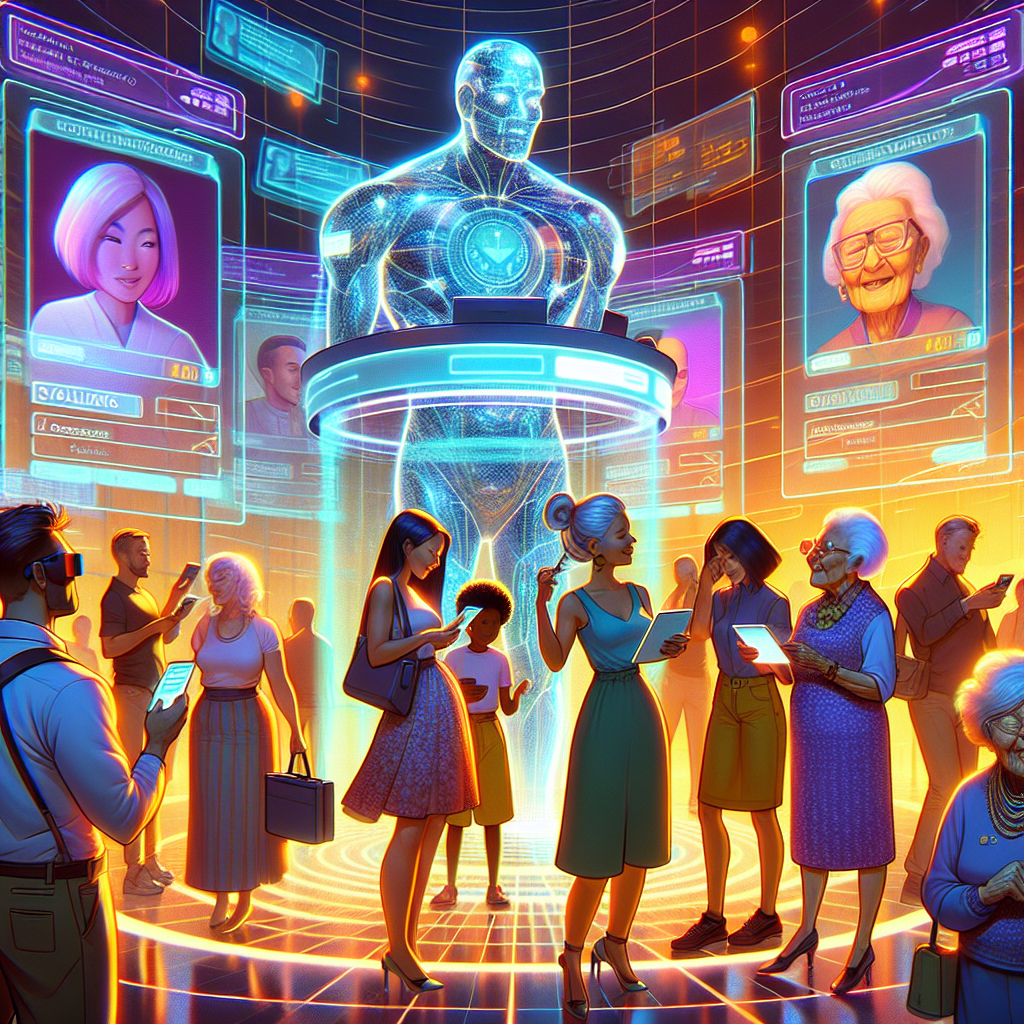
The Internet—A Place Like No Other
Picture this: you walk into a gigantic party. Every wall is a screen flashing with music videos, cat memes, gaming streams, documentaries, recipes, weirdly specific subcultures, fan theories, and, yes, adult content. Anyone can join, say hi, learn something new, or just vibe with their people—no matter who they are or where they live.
Now, imagine someone at the door starts checking everyone’s ID. Not just for adult movies, but for everything. Suddenly, the music gets quiet. The funny dances stop. People start whispering—afraid someone’s listening. The world’s coolest party isn’t so cool anymore.
The “Big Clean-Up”—And Its Hidden Costs
Here’s the deal: some governments and tech companies are talking about checking everyone’s age before they see certain content—sometimes all content. The idea is to “protect” people, especially kids, from things they aren’t ready for, like porn or violence.
Sounds noble, right? But the way they want to do it means:
- Every time you click, you might have to prove who you are.
- Sites will need to collect sensitive info, like your ID or credit card, just to let you in.
- Suddenly, hanging out on the web isn’t private anymore. Imagine going to a library, and before you grab a book, the librarian makes you show your driver’s license and types your name into a big spreadsheet that anyone could peek at. That weirds out a lot of us, not because we’re up to no good, but because privacy is what makes exploration safe and honest.
A Story: When Jamie Wanted to Learn
Let’s make this real.
Jamie is 16. She’s bright, curious, figuring out her place in the world. At school, they’re talking about relationships, mental health, even activism. One night, she googles “how to talk to my parents about mental health.” She finds a forum where real people share stories—even the tough ones.
But this time, before she sees the answers, she’s slapped with a form. She needs to scan her passport. She pauses. Is this site shady? What will happen with her info? She leaves, question unanswered.
That little barrier—meant to help—just locked Jamie out.
Now zoom out: What about artists sharing drawings that someone somewhere thinks are a little too edgy? Or people in less-free countries, using the web to ask hard questions? Or researchers—maybe even you, reading this right now?
Privacy: Why It Matters to All of Us
Let’s get personal for a second. Have you ever googled something you’d be embarrassed to ask a friend?
- Maybe it’s health worries.
- Maybe it’s about your identity.
- Maybe it’s just something plain weird.
Without privacy, the internet gets scary. You start to wonder: Who’s watching? Will this affect my future job? Could what I say be held against me, even if I’m just learning?
That’s why so many people worry about these “age gates” and censorship rules. If every click is logged, it shuts down the honest, stumbling, weird parts of us that make the internet great.
The Domino Effect—Why It Spills Beyond “Bad Stuff”
Here’s the wild twist: rules built to censor one kind of content rarely stop there. Once tools are in place to block or monitor something, it gets real tempting to use them on other topics. Today it’s porn. Tomorrow it’s art, or jokes, or news. The slippery slope cliché? This time, it’s a real warning.
Remember that epic party? If you tell people there’s a bouncer snooping everyone’s pockets, even the people with nothing to hide might just stay home.
The Fictional Future: The Internet In 2030
Let’s leap forward. Imagine the year 2030. You want to:
- Read about a rare illness (but you have to show a passport).
- Watch a silly video about 80s hair, but the algorithm bans it for “music licensing.”
- Chat anonymously in a forum about being shy. But you can’t—unless you give your full name.
In this future, Jamie never learns how to talk to her parents. Her classmate, Alex, can’t find support for their anxiety. The party is over; the lights are out.
What Can We Do Instead?
Most of us agree kids should be safe online. But the answer isn’t locking everyone out or tracking everything.
- Give parents tools to help.
- Teach digital street smarts.
- Let communities decide what’s right—without one giant bouncer at the door.
Your Turn: What Would You Do?
If the web shut its doors tomorrow, what would you miss most? Have you ever found something online that changed your life—something you would have skipped if you had to hand over your ID first?
Drop your thoughts below—let’s imagine better ways together.