
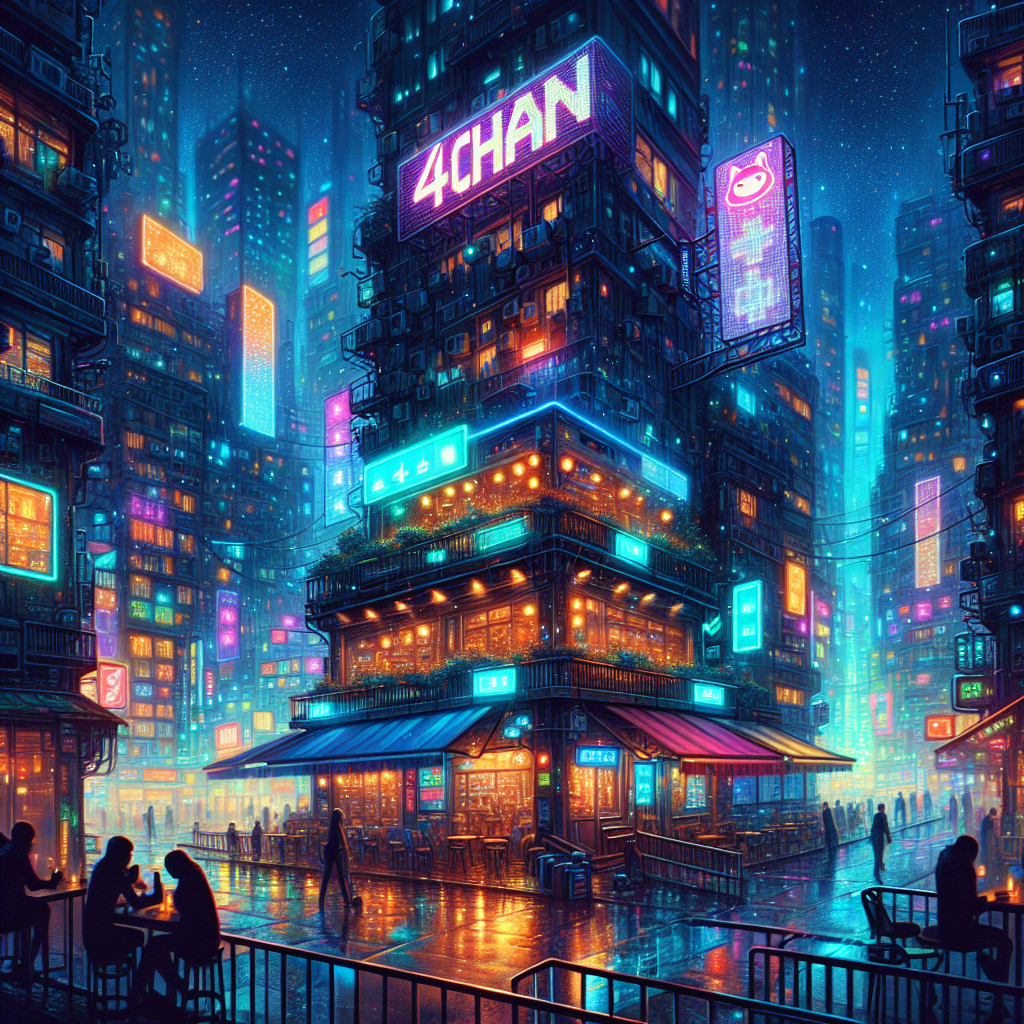
Imagine the digital world as a roaring, never-sleeping city. Flickering screens light up faces—some hopeful, some mischievous, some a little lost. In this city, everyone’s voice can echo. But every city has its rebels, its rule-breakers, and its stories that make you hit pause, lean in, and ask, “Wait—did that just happen?”
Today, we press play on one of those rare moments. Gather around, because the saga of 4chan refusing to pay daily online safety fines isn’t just about a website. This is a story about defiance, digital rules, and the wild, twinkling pulse of internet culture.
What Just Happened?
Let’s start simple. 4chan—a site famous for its wild discussions and boundary-pushing memes—has been facing fines for not following new online safety rules. Governments say these rules will make the internet safer. 4chan’s response? “No thanks. We won’t pay.” Their lawyer told this to the BBC, sending shockwaves across all those digital back alleys and neon-lit Reddit threads.
But why should we care? Because this isn’t just a legal argument; it’s the latest battle in a much bigger war over who controls the city of screens we call home.
Why Are Online Safety Fines Even a Thing?
Picture this: You’re scrolling your favorite feed while waiting for your coffee to brew, and, bam—a thread pops up with language or images that make you uncomfortable or, worse, unsafe. Governments worldwide started rolling out online safety laws: basically, rules designed to prevent anyone from getting hurt or bullied online.
They told websites: “Keep your house in order. Clean up the mess. If you don’t, you’ll have to pay—every day.” For some sites, these fines are like parking tickets. Annoying, sure, but manageable. For others, it’s more like blocking off a favorite shortcut and expecting everyone to take the long way around.
4chan vs. The Rules: A Showdown
4chan is no stranger to controversy. It’s the internet’s backstage—raw, unfiltered, sometimes chaotic. When government watchdogs decided to hit 4chan with daily fines, expecting obedient payment, 4chan drew a line in the sand.
Imagine if your neighborhood coffee shop decided, out of principle, to stop paying city taxes because they thought the new rules were unfair. Other cafés sigh and pay up. But your shop owner stands firm, risking closure, just to make a point about freedom and fairness. That’s 4chan right now—a digital shop risking everything for the principle.
The Ripple Effect: What Does This Mean For You?
Let’s get real. Most of us aren’t internet rebels. Maybe you post a meme, ask for advice, check in on a hobby group, or use a funny username to keep things private. Rules keep it safer for everyone—kids, teens, adults casually scrolling after a long day.
But what if the most wild, unfiltered spaces start to disappear? Or what if they refuse to change, sparking showdowns like this one? Would the internet feel a little less like home? Or a little more sanitized?
Story Time: The Flight That Was Nearly Missed
Picture this: You’re rushing through the airport, stressing about making your flight. You open your phone to check a forum for last-minute travel hacks—4chan is, oddly, where you find answers nobody else dares to post. Suddenly, that space looks a bit different. Content you’d always found there is missing—scrubbed by new rules. The community you relied on is angry, half silent or outright gone.
In the scramble for safety, sometimes voices get lost. In the rush for control, the internet’s messy beauty—its mix of humor, grit, and creativity—could flicker, fade, or shift in a way none of us saw coming.
The Bigger Question: Freedom vs. Safety
It sounds simple: Make the internet safe, make everyone happier. But what happens when safety means losing hidden gems, unsanitized conversations, or spaces where people feel free to be absurd, real, or anonymous? Would you trade raw honesty for careful quiet?
4chan’s standoff isn’t just legal drama. It’s a moment that forces us all to ask what kind of internet we want. Do we trust the rule-makers to get it right? Or do we need tricky, offbeat spaces—warts and all—to make the web feel real?
Where Will We Land?
As the drama unfolds, the whole digital city waits. Maybe 4chan will find a loophole, maybe not. Maybe other sites will join the rebellion. Or maybe a new rule will emerge, balancing safety with wild creativity.
Your move, internet. Are we players, creators, rebels, or just silent watchers? The city is still roaring, screens glowing, stories waiting to be told.
Now ask yourself: If your favorite online space was threatened, would you defend its freedom—or welcome a safer, quieter digital city? What matters most to you?