
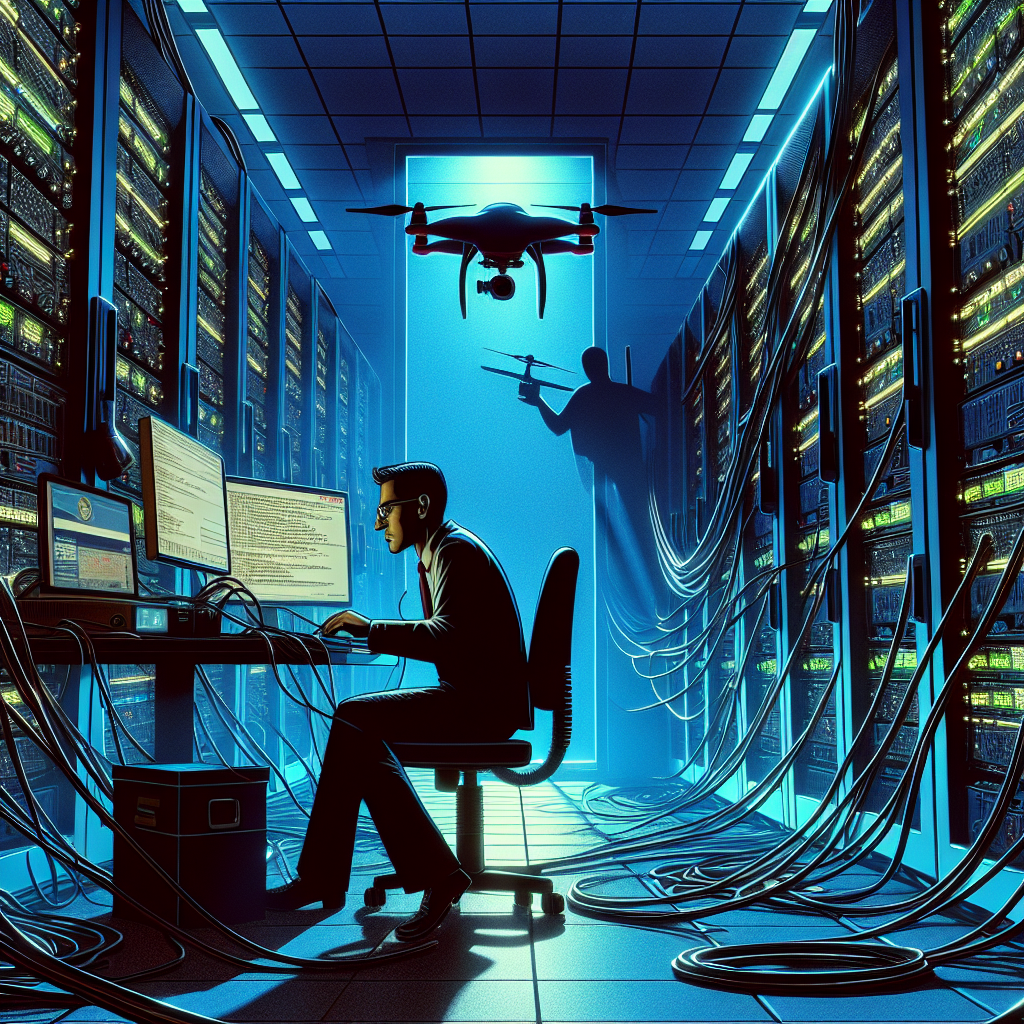
The fluorescent halls were silent the night Daniel Berulis found the note. Taped to his office door, under the soft drone of security lights, it stared back at him: a threatening message, his own private details, and a photograph evidently snapped by a drone overhead as he walked his dog. At that moment, Berulis — a government IT specialist — realized the story he was about to tell wasn’t just about leaked data. It was about what happens when power, secrecy, and technology collide in Washington’s most shadowy corners[1][5].
The Breach Nobody Saw Coming
In March of 2025, insiders at the National Labor Relations Board (NLRB) began whispering about visitors from the Department of Government Efficiency, a Trump-era initiative helmed by Elon Musk and dubbed with the cheeky acronym DOGE[2]. Ostensibly, the unit’s mission was clean: root out waste, modernize sluggish agencies. But as their boots hit the ground, those charged with protecting America’s labor data caught a scent of something rotten.
Within days, Berulis’s team detected activity that gave even the most seasoned cybersecurity experts pause. Data logs began disappearing. Sophisticated “obfuscation tools” — usually the domain of hackers — were running on government servers, quietly shielding the DOGE team’s every move from scrutiny[2][3][5]. By the time the IT staff realized what was happening, more than 10 gigabytes of data had vanished, exfiltrated to coordinates unknown.
“This isn’t a routine review,” Berulis testified. “Data almost never directly leaves NLRB’s databases like that[2].”
What Really Happened? Breaking Down the Anatomy of the Attack
While much of the digital sleight-of-hand remains classified, security experts suggest DOGE’s tactics were straight out of a hacker’s playbook:
- Disabling Monitoring: The team turned off security systems meant to detect unauthorized access, leaving logs blank and investigators blind[2][5].
- Deploying Backdoors: Berulis spotted a custom project — ominously named “NxGenBdoorExtract” — that appeared designed to siphon sensitive files without leaving fingerprints[3][5].
- Network Obfuscation: A Russian IP address pinged the servers during the breach, muddying attribution and hinting at either foreign involvement or deliberate misdirection[1][2].
- Data Compression and Masking: By consolidating and compressing vast records, DOGE could move mountains of data in a trickle, avoiding typical red flags[2].
For ordinary citizens, these actions are less “Mission Impossible” than they are disastrous. The data at risk included confidential labor disputes, whistleblower filings, and private details that — in the wrong hands — could destroy livelihoods or expose federal employees to blackmail.
The Whistleblower’s Ordeal
It’s easy to picture Berulis hunched over his monitor in the pre-dawn hours, piecing together digital breadcrumbs, anxiety mounting as realization dawned. “We were told to stand aside, to help them if asked, and to never resist. The fear was palpable,” he later recalled in sworn statements[2][5].
Days after blowing the whistle first to internal authorities, then to the Senate Intelligence Committee, the intimidation campaign ramped up. The drone photograph, the detailed threats — all signaled that someone was watching, and that the stakes had just gotten real[1][5].
Why It Matters: One Family’s Fear
Imagine you’re Angela Simmons, a single mother in Kentucky who just filed a discrimination complaint against a major employer. Weeks later, you’re blindsided by phishing calls and letters eerily referencing private case details. Suddenly, federal data that was supposed to protect you has become your greatest source of anxiety. Across the country, thousands live with similar uncertainty, wondering whether the fallout will extend into their homes and finances.
Fallout: A Government in Shock
The breach’s shockwaves rocked Washington:
- Denials and Demands: The NLRB officially denies any leak occurred — but the mounting internal reports suggest a very real crisis[1][2].
- Congressional Outrage: Rep. Gerald Connolly called it “technological malfeasance,” demanding investigations into DOGE’s unchecked data access[2].
- Lawsuits and Inquiries: Lawsuits now snake through the courts, challenging DOGE’s sweeping powers. Elsewhere, social security officials allege DOGE’s handling put millions of Americans at risk for identity theft and widespread disruption[4].
“The digital perimeter is only as trustworthy as those inside it,” observes Dr. Nia Kapoor, a cybersecurity analyst at Georgetown (fictionalized for narrative). “When internal watchdogs are muzzled, democracy itself is in danger.”
What’s Next: Could It Happen Again?
A comprehensive investigation is underway, but DOGE’s unprecedented authority — and its backdoor tactics — have left many agencies shrouded in distrust. Experts warn that unless whistleblowers are shielded and digital oversight is restored, other government systems may already be compromised.
As the sun rises on a jittery capital, one question lingers: If Elon Musk’s shadow agency can slip in and out unnoticed, what happens when no one hears the whistle?
What safeguards would make you trust government tech again?
FAQ
Q: What is the DOGE data breach?
A: The DOGE data breach refers to allegations against the Department of Government Efficiency, where whistleblowers claim officials accessed, removed, and obscured access to sensitive government records at the NLRB and possibly the Social Security Administration[2][4][5].
Q: How did DOGE allegedly steal data?
A: Reports state they used hacker-style tools: disabling monitoring, installing backdoors, erasing digital logs, and masking data movements to avoid detection[2][3][5].
Q: Why is the DOGE data breach important?
A: The breach put confidential employee records, labor complaints, and potentially social security details at risk, endangering the privacy and security of millions of Americans[4][5].
Q: Are whistleblowers being protected?
A: Not fully. Daniel Berulis reported facing direct threats and surveillance after alerting authorities — raising concerns about the safety of those exposing government misconduct[1][5].
Q: Could this happen at other agencies?
A: Yes. Analysts warn that without reforms in oversight and whistleblower protections, other government systems could be similarly vulnerable to insider attacks or data leaks.