
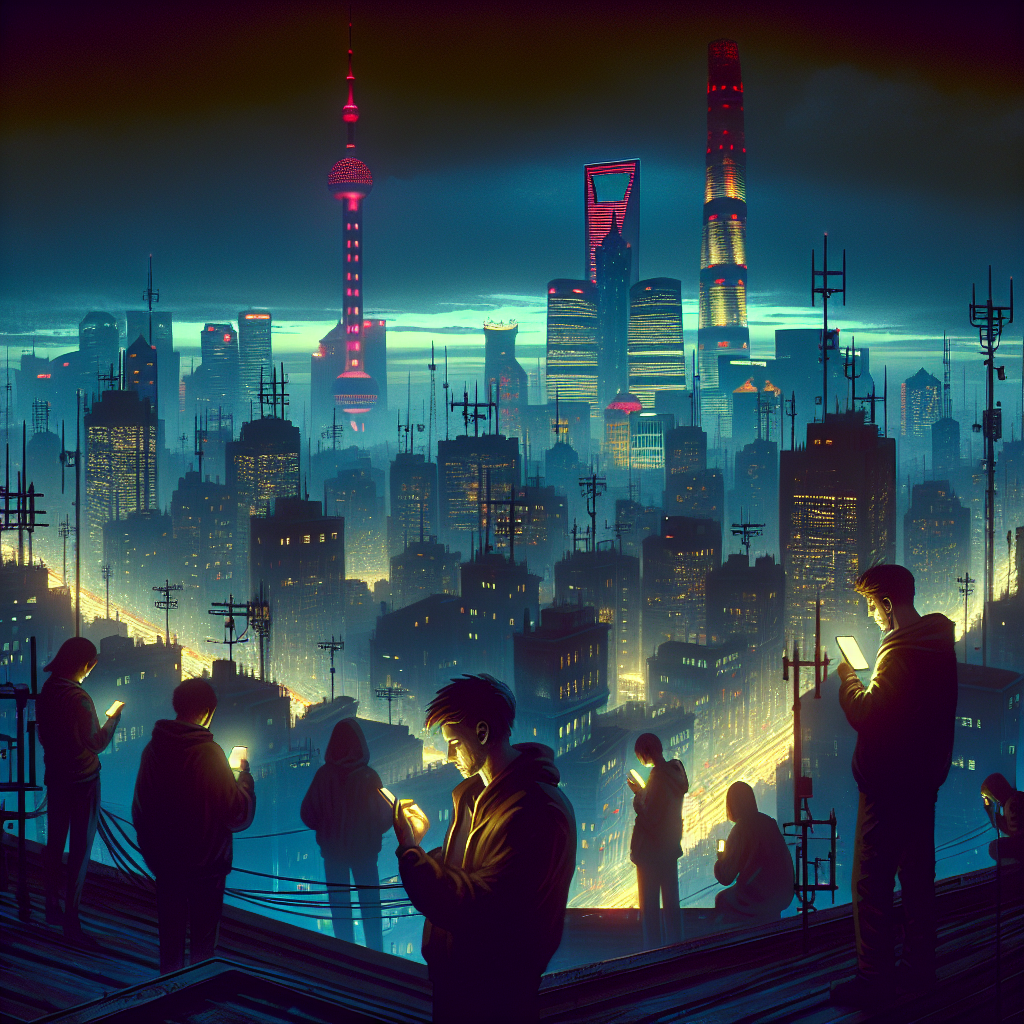
The Day the Digital Sun Went Dark
Picture this: You’re sipping your coffee, about to send a birthday video to your friend overseas. The air feels electric—your busy life, connected by invisible threads to a world of ideas, cat videos, and news. Suddenly, everything freezes. Twitter won’t load. Your work emails vanish into the ether. Even your favorite streaming playlist spins endlessly. You glance outside—nothing seems off, but your digital life is officially gone.
The culprit? A country-sized digital wall, thrown up without warning, turning bustling China into a quiet digital island—alone, unreachable, and utterly silent.
The Great Firewall’s Mysterious Move
China’s “Great Firewall” isn’t just a catchy nickname—it’s a digital forcefield, carefully built to control what comes in and out of this massive nation’s internet. Think of it as a giant invisible wall, not made of bricks, but of codes and switches, deciding who gets to see what online.
On an otherwise ordinary day, the Great Firewall took an extraordinary step: it blocked all traffic to the world’s most commonly used HTTPS port—that’s port 443, which is basically the superhighway for private, secure web browsing. For over an hour, this crucial channel was slammed shut, cutting off everyday people from the world beyond China’s borders.
No explanation. No warning. Just digital silence.
A Digital “Snow Day” Like No Other
To understand what that means, imagine planning a virtual meeting with colleagues across the globe. Or think of a Chinese student, nervously waiting for an acceptance letter from a university abroad. For these people, the sudden blackout wasn’t just inconvenient; it was as if the world itself had disappeared. Social networks, messaging apps, work portals, bank transfers—all dropped into a black hole.
Let’s dive into the story of Wen, a fictional (but realistic) entrepreneur in Shanghai. That morning, she was finalizing a game-changing deal with a business partner in Berlin. Each message back and forth brought them closer to a handshake. But at exactly 09:15, Wen’s screen froze. Her emails wouldn’t send. The chat window displayed endless spinning dots. Frantic, she called her coworker across town; he had the same problem.
For Wen, that hour felt like an eternity. Opportunities faded, trust wavered, and the realization hit hard: the invisible Great Firewall is powerful, unpredictable, and deeply personal.
The Unseen Drama Behind the Scenes
But why block an entire nation from the planet for an hour? Was it a drill, a mistake, or something else entirely? That’s where the mystery swells. No official statements. No clear answers. All that remained was a void—and millions of people speculating.
This isn’t just a story about China; it’s a story about all of us. About the fragile cables and silent agreements that keep our digital world spinning. When even one government can press “pause” on the world’s connections, it throws into sharp relief just how delicate our freedoms, our opportunities, and our day-to-day lives online really are.
Life Interrupted: The Human Cost of Digital Isolation
The world is shrinking, we’re told—information faster than thought, friendships built over thousands of miles, business deals spanning continents. But for a single hour, that illusion broke. Imagine you’re rushing to book a last-minute flight, only to discover ticket websites, mobile banking, and travel notifications are all unreachable. Or you work remote, relying on video calls and online platforms to earn your living. Suddenly, the whole system betrays you with silence.
No one felt it more than China’s millions of digital workers, travelers, and dreamers, suspended mid-sentence and powerless to fix what happened. A digital cold front, cutting off warmth and connection, leaving only uncertainty behind.
What Comes Next When the Digital Gates Slam Shut?
When the hour ended, the digital world exhaled. Connections flickered to life. Messages flooded in, jokes and relief bounced through group chats, but one lingering question remained: What if it happens again, but longer? Or without coming back at all?
This isn’t science fiction—it’s the reality of our interconnected age. And it leaves us all with a question that matters more each day:
If someone, somewhere, can just switch off the world’s connection, are we ready for life on the other side of the wall?
What do you think—should digital borders be this powerful, or is the right to connect too important to ever block? Join the conversation below.