
Prologue: The Midnight Ping
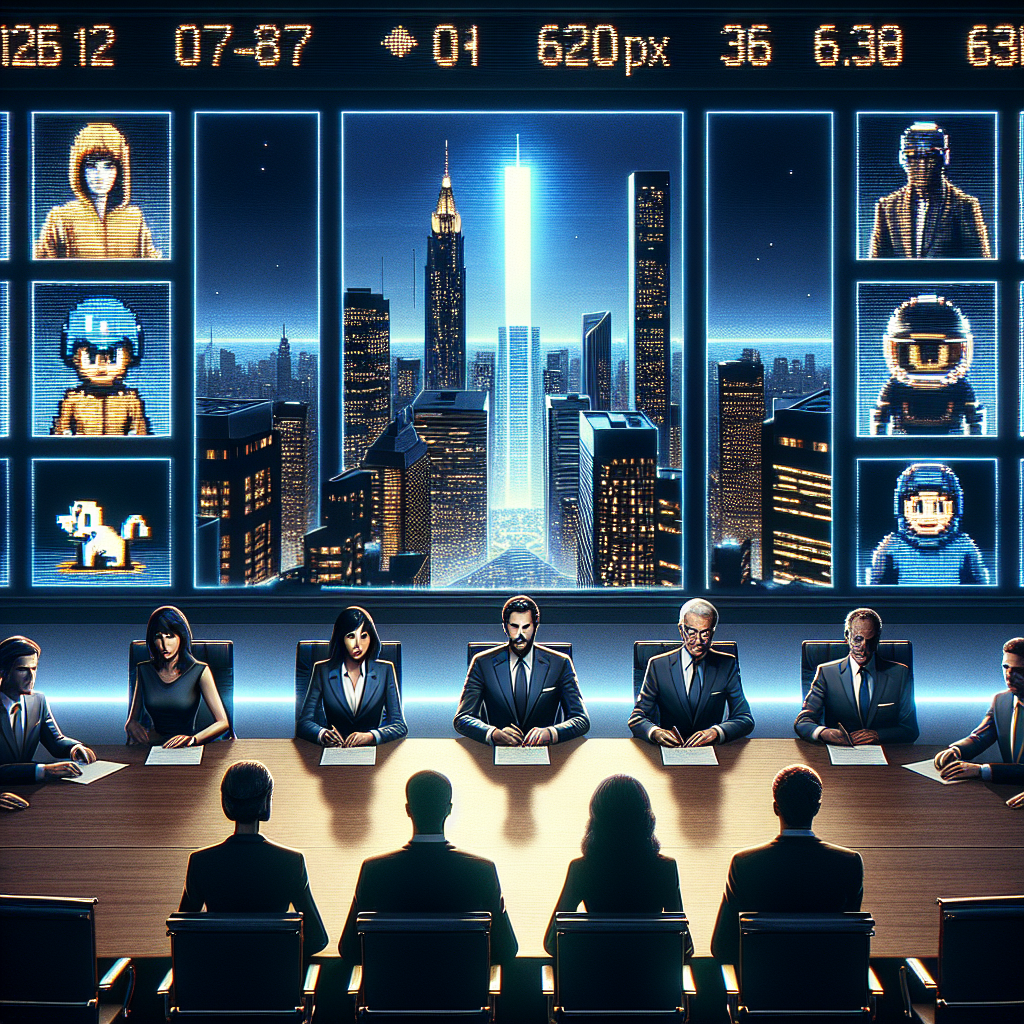
It’s 2:14 a.m. in Redwood City, California, and Andrew Wilson’s phone buzzes soft blue in the dark. The CEO of Electronic Arts—the creative empire behind The Sims, Madden NFL, and Battlefield—scrolls tautly through a confidential memo: “Acquisition approved. $55 billion. New era, new partners.” On the other side of the planet, boardrooms in Riyadh and Manhattan simmer. A single press release is about to become the tectonic shift the entire games industry didn’t see coming[1][2][3].
The Moment That Changed Everything
September 29, 2025. Electronic Arts, a company that for decades taught the world how to play, was being acquired. Not just by deep-pocketed investors, but by a geopolitical juggernaut: Saudi Arabia’s Public Investment Fund (PIF). Alongside them stood Silver Lake Partners—Silicon Valley royalty—and Affinity Partners, a Miami-based fund helmed by Jared Kushner[2][3]. The numbers were staggering: a $55 billion price tag, a 25% premium on EA’s stock, and a record-breaking feat—the world’s largest leveraged buyout in history[2][3][4].
But this wasn’t just another gaming headline. This was a story about influence, ambition, and the invisible hands that shape what millions play, feel, and believe.
Why EA? Why Now?
If you grew up anywhere in the digital age, EA is likely the background music of your life. For Saudi Arabia, the answer to “Why EA?” lives somewhere deeper. Over the past decade, the Kingdom has pushed to reinvent itself: away from oil, toward technology, youth culture, and global sway. Gaming, with its massive reach and emotional punch, is the new lingua franca. As Axios put it, “Many of the world’s young people speak gaming as their second language, and these deals give Saudi more direct access”[2][3].
The acquisition is more than a business transaction—it’s part of Vision 2030, Saudi Arabia’s ambitious blueprint to reshape its future through technology, sports, and entertainment[3]. PIF had already made headlines with a $4.9 billion grab of gaming giant Scopely, a major investment in Nintendo, and now, a controlling stake in EA.
How the Deal Worked
Behind the scenes, the mechanics were as bold as they were simple. EA’s board greenlit $210 per share in cash for stockholders—a payout that called to anyone who ever watched quarterly earnings with bated breath[1][2][3]. The three equity sponsors—PIF, Silver Lake, Affinity—ponied up $36 billion in equity; JPMorgan provided $20 billion in debt financing[2].
For now, almost nothing changes on the surface. EA keeps its Redwood City headquarters. Andrew Wilson remains at the helm[3]. Hit franchises continue rolling out. But beneath the steady hand, the currents churn.
Analysts and Insiders: Reading the Tea Leaves
Maya Chen, an analyst at GlobalData, frames the deal with a steely neutrality: “Gaming is more than entertainment now—it’s identity, socialization, even soft power. For investors, a brand like EA is less a purchase and more an open-world platform for influence.”
Government watchdogs took note, especially in Washington and Brussels, with murmurs of antitrust and worries over foreign state control, but—at least for now—the legal terrain seemed clear[3].
On Reddit and Discord, gamers and developers picked apart the news. A post on r/technology exploded with speculation. Would FIFA lose its irreverent charm? Would new investors nudge content, themes, or narratives? Was this a bid for community, or control?
A Gamer’s Perspective: Life Under New Management
Jamie, a longtime Battlefield fan and single parent from Chicago, scrolls the news on her phone while waiting for her preteen son to finish homework. “Does this mean they’ll yank servers or hike up microtransactions again?” she wonders. As far as she can tell, “the game always changes when the suits get involved.”
Yet, official word is calm: “No changes for now. Our commitment to fans is unchanged,” EA reassured in an internal memo[1].
But Jamie’s skepticism isn’t hers alone. For millions, games are a second home—and the landlord just changed.
Wider Ripples: Industry and Beyond
On Wall Street, analysts buzzed: Was this a revival for big gaming stocks? Would it spark a new wave of megadeals? Venture capital chased after indie studios, hoping to catch the next Roblox or Fortnite before the lumbering giants could.
For Saudi Arabia, it was another feather in the cap—but also a new scrutiny. International NGOs and democracy advocates asked: What happens when entertainment is guided by state-driven ambitions, not market whims[2][3]? Could censorship, self-censorship, or “nudges” shape what stories we tell—and which we silence?
Meanwhile, fans, modders, and creators watched nervously, debating and creating petitions, anxious for echoes of past buyouts where culture and creativity were casualties to commerce.
What’s Next? Could It Happen Again?
EA’s acquisition is not just history—it’s warning and promise. If a cornerstone of global gaming can be bought overnight, what games, stories, or platforms are safe? As tech, culture, and geopolitics intertwine, the very fabric of play is up for grabs.
The buyout’s ripples will play out for years. Will new owners become champions of global creativity, or careful custodians of culture and power? What lessons will other giants and upstarts learn?
If the world’s biggest video game companies can be bought and redirected by the forces of geopolitics, who will write the next chapter—and for whom?
Would you trust your favorite game franchise in the hands of a sovereign nation’s ambition? Or will you just hit “Start” and play on?
FAQ
-
What is the EA acquisition?
The EA acquisition is a $55 billion deal to take Electronic Arts private, led by Saudi Arabia’s Public Investment Fund, Silver Lake, and Affinity Partners. -
When will the deal be completed?
The acquisition is expected to close during the fiscal year 2027, starting September 2026[3]. -
Will EA games change?
EA leadership says no immediate changes; existing franchises and user experiences should remain stable for the foreseeable future[1][3]. -
Why is Saudi Arabia investing in gaming?
The acquisition aligns with Saudi Vision 2030, seeking to strengthen its tech and cultural influence beyond oil[2][3]. -
What does this mean for EA shareholders?
Shareholders will receive $210 per share in cash as part of the buyout offer[1][3]. -
Could more companies be acquired like this?
The industry trend suggests more large-scale acquisitions are possible, as gaming becomes central to global tech and culture[2][3][4]. -
What are the risks?
Possible concerns include content influence, regulatory review, and shifts in how major franchises are managed[2][3].