
Down Goes the Giant
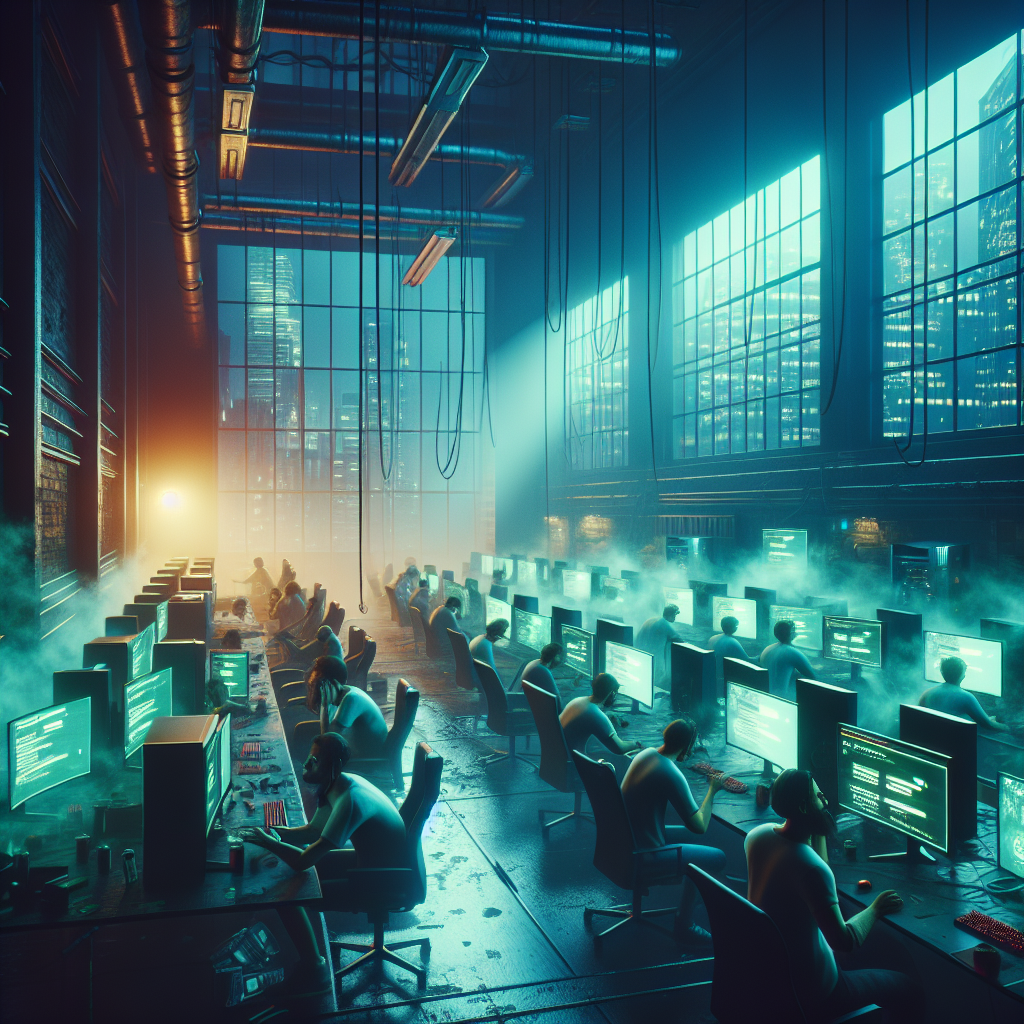
6:42 p.m., a Tuesday night lit by the glow of neon monitors. In Stockholm, tournament hopefuls prepare for a final Counter-Strike 2 (CS2) scrim. In Los Angeles, a father launches Dota 2, eager for that rare hour of gaming before bed. And in Mumbai, teenagers squint at login screens, their hands flickering over WASD keys in anticipation. Suddenly, screens stutter to a standstill. Error codes swirl. The chat goes silent. Valve’s digital empire—Steam—is down. Globally.
This isn’t a routine blip. It’s a digital blackout, a hard crash heard by millions. For hardcore fans and casual gamers alike, October 7, 2025, became a date to remember. And at the epicenter: Counter-Strike, the crown jewel of competitive shooters, rendered unreachable by a mysterious, relentless force.
The Anatomy of a Meltdown
What exactly happened? Valve’s Steam platform, which supports over 34,000 simultaneous Counter-Strike matches and millions of daily users[2], faced a crippling DDoS attack. A DDoS—Distributed Denial-of-Service—works by flooding servers with useless traffic, overwhelming their ability to process legitimate requests. Imagine an entire city trying to squeeze through a single doorway: systems lag, doors burst, and nothing gets through.
On that Tuesday, expert observers noticed data surges of nearly 30 terabits per second battering Valve’s global infrastructure[2]. Matchmaking servers from Amsterdam to Los Angeles groaned under full load, while community forums, inventory systems, and even Steam’s vital download functionality buckled or went dark[1][2][3].
“From a network defense angle, this was sophisticated and sustained,” said ‘CyberWolf’, an independent threat analyst. “Valve’s infrastructure is strong, but with that much traffic hitting weak points, recovery took hours—not minutes.”
While players could sometimes launch games if they circumvented Steam entirely—a rare hack for the tech-savvy—core features like friends lists, authentication, and CS2 itself became virtually inaccessible[2][3].
Inside the Human Cost
Cut away from the grid, the impact ripples beyond headlines. Picture Maya, a London marketing assistant—her Counter-Strike skins portfolio is her pride, curated through years of trading rare collectibles. Suddenly, access to her inventory vanishes. She worries: Could these digital assets, worth more than her monthly rent, be wiped out?
Or teenager Aryan in Delhi, who dreams of going pro. Early-morning practice is his only path—except today, all he gets is a blank screen and a feeling of powerlessness. Meanwhile, gaming communities on Discord and Reddit burst into live hysteria: “Is this a hack? A security breach? Did my password get leaked?”[2]
For some, it’s just a lost night of play. For others—industry pros, streamers, and in-game traders—the outage brings real anxiety, financial loss, and frustration that transcends pixels.
Valve’s Silence, the Community’s Roar
Panic spread fast and wide, but official word was scarce. Valve, the reclusive powerhouse behind Steam and CS2, went silent[2]. No tweets, no press releases, no status page updates. Fans and gaming analysts were left to speculate—and organize. On forums, users tracked service status in real-time, piecing together clues from server logs and DownDetector[3][6].
Meanwhile, the “routine maintenance” explanation did not satisfy. Valve does conduct regular Tuesday maintenance, normally a 15-minute, low-impact affair[4]. But this event spanned hours, with cascading outages affecting not only Steam’s store and social layers, but key gaming services including Counter-Strike 2 and Dota 2[1][4][8]. The consensus was clear: This was no ordinary hiccup. Something, or someone, had targeted the heart of PC gaming.
The Global Shockwaves
The aftershocks rippled well beyond casual frustration. Esports organizers postponed major matches mid-bracket. Third-party platforms like SteamDB.info, crucial for real-time player numbers and skin market value, were crippled by the same connectivity failures[1].
Network operators observed related congestion on underlying infrastructure—Amazon Web Services, which Valve relies on, also flagged “Full Load” status across their networks[2]. For a brief window, the entire architecture of online gaming—servers, APIs, databases—became fragile.
Governments, ever watchful after recent high-profile cyberattacks, privately tapped their cybersecurity arms for analysis. Was this a random onslaught from a botnet? Or a targeted probe, testing the defenses of a trillion-dollar digital sector? Official statements danced around attribution, but experts called for robust incident reporting and future-proofing. “It’s a wake-up call for all critical online service providers,” said Mandy Wu, a network security consultant in Singapore.
What’s Next / Could It Happen Again?
By Wednesday, order was restored[5][7]—but the scars remain. Valve has yet to share detailed findings or announce bold new defenses. For players, questions linger: Is my data safe? Could the skin market collapse happen for real next time? Would the next outage last for hours—or days?
The truth is, as online life sprawls ever wider, the surface area for attack grows with it. For Steam, for Valve, and for millions of digital citizens, October 7 is a cautionary tale and a rallying cry.
If the world’s most resilient gaming platform can be felled in a matter of hours, who’s next? And when the next black screen looms, are we truly ready to fight back—or just press restart?
FAQ
Why was Counter-Strike 2 down on October 7, 2025?
Counter-Strike 2 went down as part of a global Steam outage likely triggered by a massive DDoS attack targeting Valve’s infrastructure, overwhelming servers and cutting access to game sessions, trading, and communities.
How did the Steam outage affect online gaming?
The outage left millions unable to log in, play matches, trade in-game items, or access social features across key titles including Counter-Strike 2 and Dota 2.
Could user accounts or skins have been at risk during the outage?
There were no confirmed breaches or data leaks reported, but many users worried about lost access to accounts, inventories, and potential vulnerabilities during the downtime.
Did Valve make an official statement?
Valve remained silent during much of the incident, leaving players and analysts to gather information from status trackers and third-party services.
How can gamers protect themselves from future outages?
Stay informed via status pages, enable two-factor authentication, and avoid phishing attempts that often increase during periods of mass confusion and service instability.
Keyword
buy Counter-Strike 2 skins safely
LSI
Steam outage
DDoS attack on Steam
Steam server status
Counter-Strike 2 login issues
Valve maintenance
Steam account safety
Online game server downtime
MetaDescription
Steam’s October 2025 outage crashed Counter-Strike 2 for millions. Discover what happened, the DDoS attack behind it, and how global gaming was thrown into chaos.