
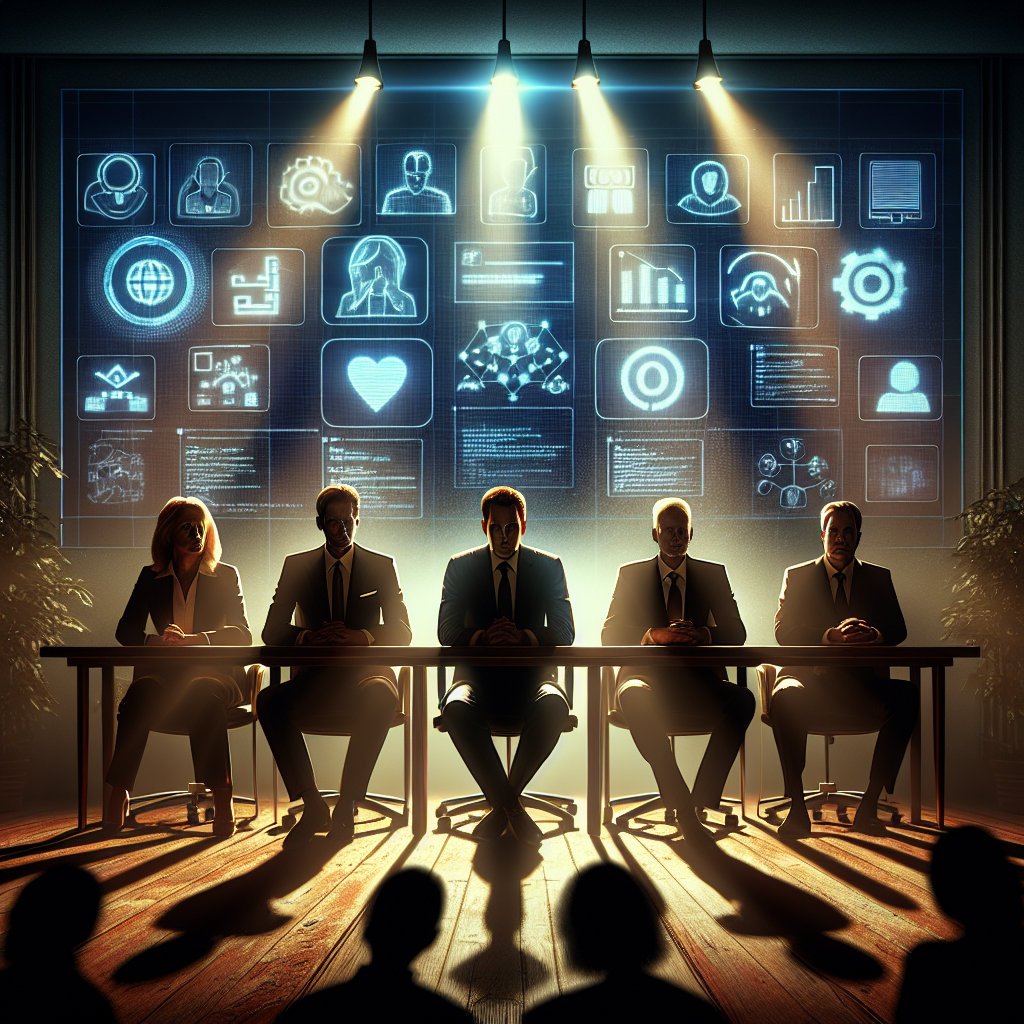
A Day That Shocked the Internet
Picture a bustling university campus, students milling about, livestreams rolling, memes pinging between phones. Suddenly, the digital and the real collide with violence: activist Charlie Kirk, a polarizing internet figure, is gunned down. The shooter, Tyler Robinson—a face until then hidden in the mosaics of online communities—leaves behind not just tragedy, but a trail of clues embedded in internet culture itself. Bullet casings reference memes, gaming slang, even the cult shooter game Helldivers.
This isn’t just a murder. It’s a rupture: the proof that the feverish intensity of online spaces can spill dangerously into the world we all share. Within days, a new kind of spectacle begins—one that will define the future of our internet.
The Call to Testify: Platforms Under the Microscope
Screens across the nation light up with news tickers: four digital giants—Discord, Reddit, Twitch, and Valve (the company behind Steam)—summoned to Capitol Hill. Their CEOs are not just being “invited”; they’re being put on the spot by House Oversight Committee Chairman James Comer, who declares: “Congress has a duty to oversee the online platforms that radicals have used to advance political violence” [2][1].
The date is set: October 8, 2025. The world will watch as the stewards of our new public squares are asked, in front of cameras and Congress, what they’re doing to prevent the next crisis.
How Did It Happen? Behind the Digital Curtain
To outsiders, platforms like Discord and Reddit seem like harmless forums or chat apps. But within their sprawling digital neighborhoods, anything can thrive—including radical ideas. The attack vector isn’t some technical hack—it’s the subtle web of private groups, meme-fueled in-jokes, live gaming banter, and algorithm-driven echo chambers. Tyler Robinson, according to initial FBI reports, drifted through these spaces as many young people do. His friends, interviewed after the fact, could barely piece together the warning signs [1].
It’s a problem with no easy shape: part digital pied-piper, part societal mirror. Online radicalization, policymakers warn, doesn’t work like a virus; it’s more like a slow fever, driven by repetition, community reinforcement, and a culture that prizes inside references over transparency.
Inside the Halls of Power: The Gear-Up to the Hearing
The government’s stance oscillates between desperate vigilance and political theater. Past hearings—remember TikTok’s grilling in 2023?—have become gladiatorial media events. Now, the stakes feel existential. Congressman Comer’s message is clear: “To prevent future radicalization and violence, CEOs must explain what actions they will take to ensure their platforms are not exploited for nefarious purposes” [2][1].
Industry insiders are already bracing for fireworks. Some hope meaningful guardrails will emerge—stricter moderation, more robust warning systems, actual human oversight. Cynics see a cycle of scapegoating, with CEOs playing the part of tech’s antiheroes on the C-SPAN stage [2].
When Online Risks Become Real: A Family’s Nightmare
For 16-year-old Kayla Moreno, the news was more than a headline. Her older brother frequented the same message boards caught up in the investigation. She recalls seeing him laugh at obscure memes and argue politics online, but she never imagined those spaces held real-life peril.
“I felt like I lost my brother for a while,” Kayla confides, clutching a phone full of Discord chat logs. “The things he read changed him. After what happened, he just… stopped logging in. Now, all anyone talks about is who to blame.”
Families across America echoed Kayla’s fear: When is online just online? And when does it break through?
The Industry Reacts: Defensiveness, Reform, and Rage
Discord, Reddit, Twitch, and Valve all post urgent open letters, clashing between solidarity and self-defense. “We are committed to user safety,” reads the joint statement, “but our platforms reflect society’s complexities.” Some moderators fear a chilling crackdown; streamers and Redditors fret about losing the freedom that made their communities vital.
An analyst on background—let’s call her Janine Cross, a longtime tech policy researcher—offers a sharp perspective: “We’ve seen these cycles. Lawmakers seek scapegoats, platforms promise reforms, but genuine change demands a ground-up overhaul in both tech culture and oversight.”
Ripple Effects: From Silicon Valley to Main Street
As the hearing nears, pressure mounts from every quarter:
- Governments demand accountability, hinting at new regulations for online forums[2].
- Tech workers debate the ethics of designing addictively “sticky” platforms.
- Communities split—some calling for draconian bans, others warning against trampling on free speech[2][1].
Meanwhile, in Nepal, a Gen Z-led protest movement has just held an entire national election via Discord, proof that online hubs wield enough power to both uplift and unravel democracies[2].
What’s Next / Could It Happen Again?
The October hearing promises high drama and harder questions. But the deeper challenge lingers: Can platforms both empower free expression and enforce boundaries before lines are crossed? Will Congress move from posturing to policy, or simply pass blame along to whoever’s left holding the mic?
The risks exposed by Charlie Kirk’s violent end reveal how thin the veil has grown between our online and offline lives. If communities, industries, and lawmakers don’t keep up, we might soon ask: Who really holds the power in the new digital age—the users? The platforms? Or something far more unpredictable?
FAQ
Q: Why are Discord, Reddit, Twitch, and Valve facing a government hearing over radicalization?
A: Lawmakers are investigating how these platforms may foster environments that amplify extremist views and real-world violence, after connections were drawn between online activity and a high-profile assassination[2][1].
Q: What is online radicalization?
A: Online radicalization is when individuals adopt extreme beliefs, often through repetitive exposure in digital forums, chat groups, and algorithm-driven feeds.
Q: What changes might result from the hearing?
A: Possible outcomes include stricter moderation policies, more transparency for digital communication, and potential regulation of tech platforms hosting large communities[1][2].
Q: Are gaming and meme communities really that influential?
A: Yes. Large communities on Discord, Reddit, and Twitch can amplify trends, jokes, or even toxic ideologies until they become powerful cultural forces.
Q: Could this type of digital radicalization happen again?
A: Experts believe so, unless platforms and society work together to define boundaries and recognize early warning signs.