
Midnight: Silence Falls Over TikTok Nation
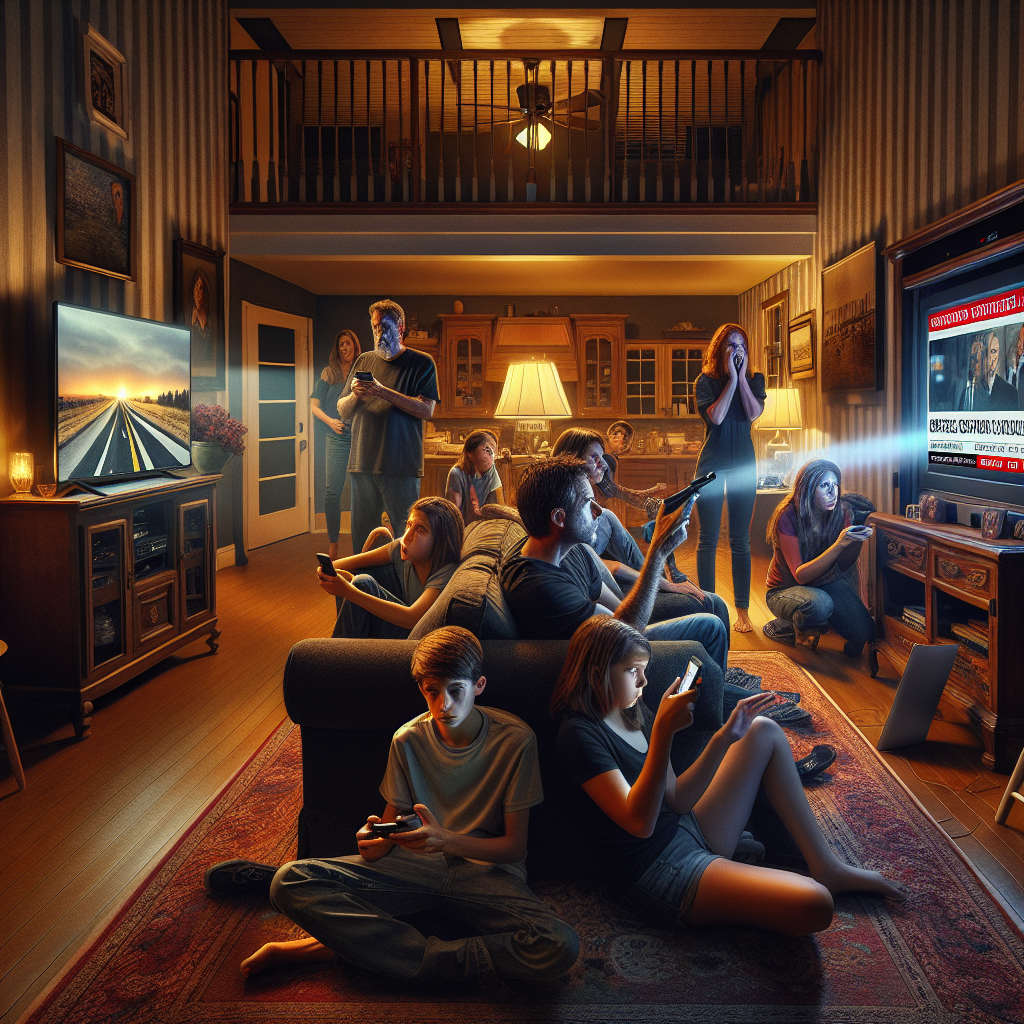
It’s January 19, 2025—just past midnight. In bedrooms, school lounges, and subway cars, the endless stream of videos screeches to a halt. Millions of American TikTok users squint at a new message on their screens: “Sorry, TikTok isn’t available right now. A law banning TikTok has been enacted in the U.S. Unfortunately, that means you can’t use TikTok for now. We are fortunate that President Trump has indicated that he will work with us on a solution to reinstate TikTok once he takes office. Please stay tuned!”[1]
Whole communities seem to freeze, the usual soundtrack of trending dances and absurd pranks now replaced with an aching digital silence. In their message threads, fans circulate wild theories. Some mourn as if a close friend has left for good. For Gen Z, this is not just an app—it’s a lifeline, a window into the world, an echo chamber of their identities.
Why TikTok Suddenly Disappeared
The U.S. government’s showdown with TikTok didn’t come out of nowhere. Since 2017, the app has been an irresistible force—one billion users hooked by endlessly personalized videos, its algorithm an opaque oracle for the internet’s next obsession[1]. But beneath the dopamine rush, government officials began to worry: Who controls the data behind this global phenomenon? And who, exactly, is watching?
These questions fueled the “Protecting Americans from Foreign Adversary Controlled Applications Act”—colloquially, the TikTok Ban. Lawmakers argued that TikTok’s Chinese parent company, ByteDance, posed a threat to national security by potentially giving the Chinese government access to Americans’ personal information[1][2]. In early 2025, the Supreme Court upheld the ban, setting the January 19 shutdown in stone[1].
As Senator Grace Lin, one of the bill’s original sponsors, tells us, “Digital frontiers are national frontiers. We can’t risk the world’s largest foreign data vacuum scarfing up American teenagers’ keystrokes without oversight.”
How the Ban Actually Worked: The Anatomy of a Tech Crackdown
This wasn’t just political theater. The law forced the hand of every player in the tech ecosystem. App stores like Google Play and Apple’s App Store faced massive fines—up to $5,000 for every American TikTok user—if they allowed the app’s continued presence[2]. Cloud service providers risked similar penalties if they hosted ByteDance data.
Within hours, TikTok vanished from download portals. Cloud services began quietly severing ByteDance connections, sending the app into blackout. Even resale markets saw TikTok-loaded old phones fetching jaw-dropping prices as collectors scrambled to hold onto digital history[1].
Relief, Chaos, and a Presidential Plot Twist
But the dust didn’t settle. Just 12 hours later, American TikTok blinked back to life. President Donald Trump stepped in, enacting a 75-day stay on the ban, pointing to ongoing “good faith negotiations” with China[1][2].
This wasn’t the first time: Trump’s behind-the-scenes maneuverings had given TikTok multiple last-minute reprieves over the past year, each extension a dangling hope for the platform’s U.S. survival[1][2].
For ByteDance, this back-and-forth was agony. The company courted Wall Street investors, media conglomerates, and private equity giants, scrambling to sell its U.S. operations and comply with the law. Chinese regulators, meanwhile, kept vetoing deals in retaliation for U.S. tariffs[1].
“It’s like watching two giants play chess with our futures,” says David Torres, a fictional high school senior from Houston whose dance collective owes their national spotlight to TikTok. “One minute we’re canceled, the next we’re viral again. It’s exhausting.”
What’s at Stake: More Than Dance Videos
At the heart of the TikTok ban is a messy collision of digital freedom and national security. On one side, tech watchdogs fear that a successful ban could be a blank check for government overreach—any foreign service could be next, even if threats are exaggerated[1].
Civil liberties groups warn of the “slippery slope”—that beyond privacy, the ban could set precedents for stifling online speech, chilling startups, and fragmenting the open internet.
On the flip side, national security veterans insist vigilance comes first. In the words of retired NSA analyst Sarah Min, “You wouldn’t outsource your embassy’s safes to a foreign adversary. Data is no different.”
Aftershocks: Tech, Politics, and Global Reactions
The ripple effects landed across industries and borders. Tech giants braced for a future where government bans could strike anywhere. Governments from Australia to Brussels doubled down on new rules, barring TikTok from federal devices and hinting at moves against other apps[1].
Meanwhile, a grassroots movement of TikTok creators, small business owners, and average families flooded lawmakers with videos and petitions. Online, the hashtag #SaveTikTok ignited cross-generational protest: for some, a plea for digital sovereignty; for others, a last stand against government control.
What’s Next? Can Lightning Strike Again?
As the September 17, 2025, final deadline looms, uncertainty reigns. ByteDance has yet to find a buyer. Trump may play for time again or finally pull the plug. Critics ask whether executive power can suspend federal law at will, leaving tech’s future at the whim of politics[2].
Could it happen again? With geopolitics and digital policy more tangled than ever, the fate of TikTok may just be a preview. How much of our digital world are we willing to let politics control? When the next app explodes in popularity, will we trust its home country not to listen in?
FAQ
Q: What exactly is the U.S. TikTok ban and why was it implemented?
A: The TikTok ban is a federal law requiring ByteDance, TikTok’s Chinese parent, to sell its U.S. operations or face a nationwide ban, due to national security concerns about data privacy and Chinese government influence[1][2].
Q: When was TikTok banned in the U.S.?
A: The ban technically went into effect on January 19, 2025, but was followed by a series of presidential extensions keeping the app online for more negotiation time[1][2].
Q: How can users access TikTok during the ban?
A: U.S. app stores temporarily removed TikTok, but the app returned after executive action stalled enforcement. Some who deleted it early scrambled to buy devices that still had it loaded[1].
Q: Could this happen to other social apps?
A: Analysts suggest any foreign-owned social platform could face similar scrutiny if national security concerns or political tensions arise.
Q: What happens if ByteDance does not sell TikTok’s U.S. operations?
A: If no buyer emerges by the extended deadline, TikTok could be banned again, pending further political maneuvers or legal challenges[1][2].