
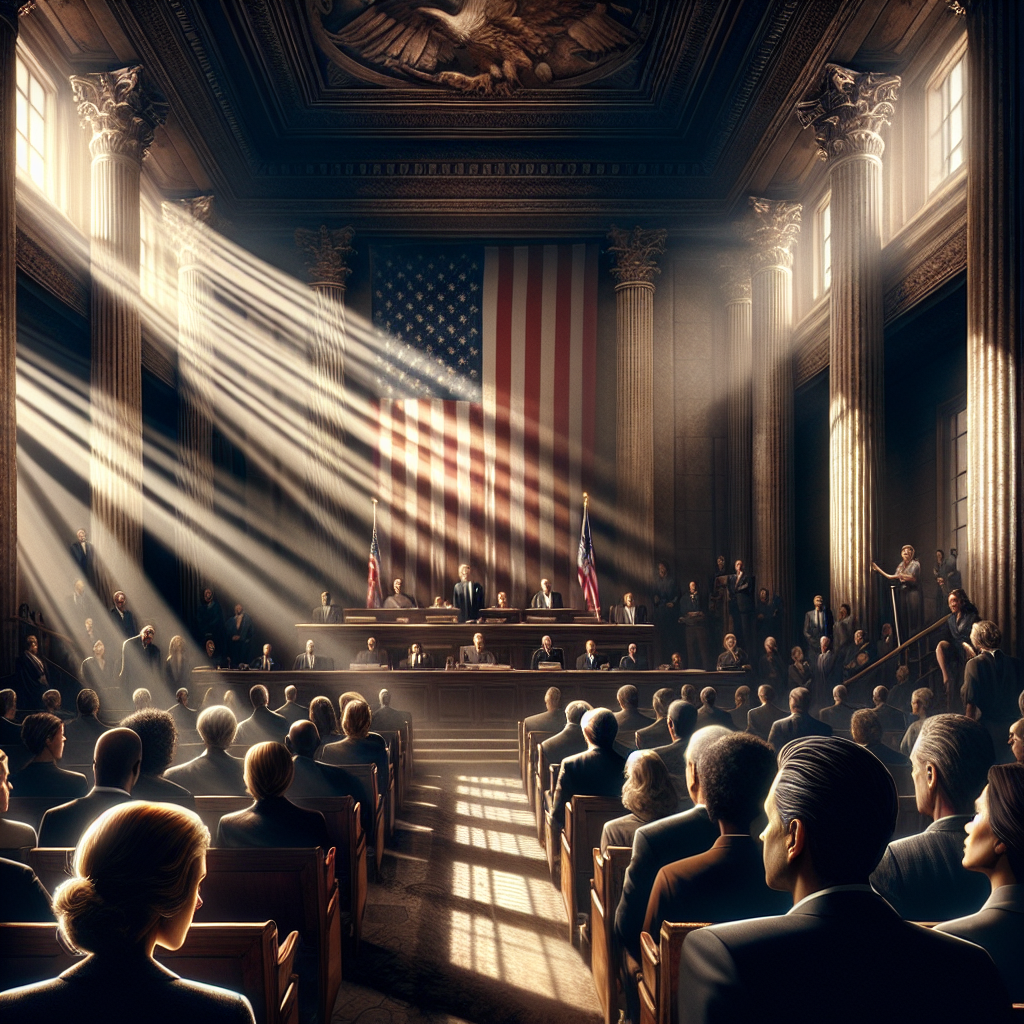
Dawn, somewhere in the American heartland. A father, coffee cooling in hand, reads an alert on his phone. His small auto parts business might soon get a windfall almost too big to believe—a refund from Washington, in the tens of thousands, if the Supreme Court rules the way the headlines suggest. His hopes—and anxieties—rise as the sun breaks over a country poised for fiscal shockwaves.
How Did We Get Here?
The story unfolding today began years ago, amid global tensions and hard lessons in economic power. At the height of a new trade war, President Trump, citing an old Cold War emergency law—the International Emergency Economic Powers Act (IEEPA)—imposed sweeping tariffs, essentially taxes on foreign goods, targeting rivals and allies alike. These tariffs, set between 10% and 50%, weren’t just economic levers—they were signals, sabers rattled at the gates of global commerce[2][8].
Importers protested. Their argument? The president had overstepped, using IEEPA powers meant for true emergencies as a political tool. Lower courts agreed, calling the legal stretch too far, the tariffs unlawful. The U.S. government, eager to protect its power to levy tariffs at will, rushed to appeal. And so, the fate of billions—perhaps trillions—of dollars in tariff money fell to the nine justices of the Supreme Court[2][8].
Inside the Supreme Court Drama
On November 5, 2025, the nation watched as the justices heard arguments in a marble chamber thick with consequence. For weeks, rumors swirled of skepticism on the bench: liberal and some conservative justices openly questioned the president’s legal authority, hinting at a possible overturn[4][8].
Outside, industries waited in suspense. Estimates of the refunds ballooned. If the Court ruled against the tariffs, the U.S. might owe upwards of $90 billion—maybe more as appeals multiplied and doors opened to retroactive claims[3][8][9]. The government braced for impact, while business leaders whispered anxiously about how—or even if—the cash would flow back to those who paid.
Will Americans Get a Piece of the Action?
For the average person, the mechanics are dizzying. Tariffs are paid not by consumers directly, but by importers—the companies that bring in goods. These costs, however, filter down to regular folks in the form of pricier cars, phones, and groceries[3].
Should the Supreme Court knock the tariffs down, refund checks won’t go out to every American by default. Instead, importers would stand in line to reclaim the money. Some, like the fictional father in our opening scene, might get much-needed relief to keep the lights on and workers employed. For most, the path is murkier. Experts warn that unless companies pass refunds down, consumers may never see a dime—unless Congress decides to intervene and redirect the potentially historic sum back to the public[3][7].
Former IRS Commissioner (fictional) Dr. Sylvia Tran notes, “If this money isn’t tied up in legal knots, the government could, in theory, use it for targeted refunds or economic stimulus. But that’s a political fight all its own.”
The Personal Toll: One Business Owner’s Gamble
Meet Marcus Lee (fictional), owner of a mid-size electronics import company in Los Angeles. Marcus has paid millions in extra tariffs since 2019, costs he passed onto wholesalers and retailers. Each month, his margins shrank, and he debated layoffs to stay afloat. If the Court tips the scales and refunds are ordered, Marcus faces a race against time—filling paperwork, documenting every cent. “The money could save my business,” he says, “but only if I can actually get to it.”
The Fallout: Political, Economic, and Legal Ripples
The case’s potential aftermath has everyone on edge:
- Importers scramble to preserve their rights, with trade lawyers urging, “File claims now—before the window closes!”[6].
- Government agencies prepare for the logistical nightmare of processing claims totaling tens—or hundreds—of billions[7].
- Congress faces pressure to legislate: Should refunds go to companies, consumers, or to shore up deficits?
- Wall Street watches volatility spike as uncertainty over refunds—and future tariff powers—whipsaws markets.
Legal analysts predict it won’t be a clean cut. The Supreme Court may send the “who gets paid” question back to lower courts, ensuring years of further litigation[5]. But whatever the ruling, America’s economic playbook could change forever.
What’s Next — Could It Happen Again?
The world is watching. A Supreme Court decision against tariffs would restrain the president’s emergency economic powers—turning an executive tool into a legal border fence. Future administrations might face handcuffs when quick economic action is desperate, leaving Congress as the primary architect of trade war or peace.
Yet, with laws as complex and mutable as those behind these tariffs, loopholes or new statutes will almost certainly emerge. Will this case simply mark a pause before the next tariff storm rolls in?
If America could owe a trillion-dollar tax refund, who should decide how to spend it: businesses, lawmakers—or you? Leave your voice below.
FAQ
What is the Supreme Court’s Trump tariff case about?
The case centers on whether the president overreached in imposing tariffs using emergency powers under IEEPA, and whether those tariffs are legal[2][9].
Could there really be a $1 trillion U.S. tariff refund?
While some estimates run in the billions, total refunds approaching $1 trillion are unlikely. Most current credible estimates range from $90 billion to over $108 billion if wider claims are honored. The process and eligibility are still being analyzed[3][8][9].
Who gets refunded if the tariffs are struck down?
Refunds go first to importers who directly paid the tariffs. There’s debate over whether and how consumers could recover money, or if Congress might redirect some funds[3][7].
Will individual consumers get checks?
Not automatically. Direct refunds are for businesses, not households. Consumers could benefit if importers lower prices or if Congress authorizes payments to the public.
How do importers claim a tariff refund?
Importers must file claims within legal deadlines—often as short as 180 days after payment[6][7]. Missing this window can forfeit their rights.
Could another president try this again?
Unless the law changes, future presidencies may still test the limits of emergency economic powers, but the Court’s decision here will draw the new boundaries.