
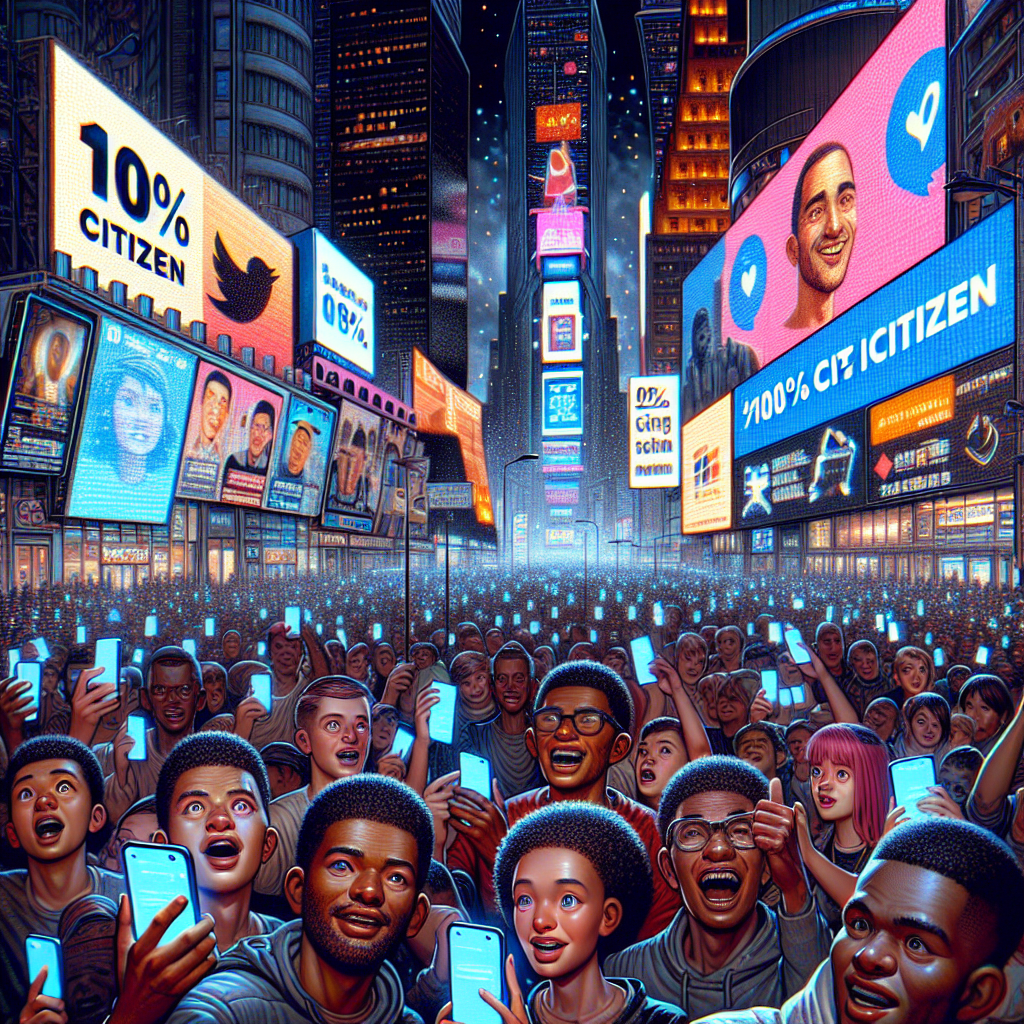
It’s late September 2025. Manhattan’s digital billboards flicker with trending hashtags—#FreeTikTok, #KeepItReal, #AllAmericanApp—as millions of American teens, creators, and business owners wake to rumor and chaos. In Washington, behind layers of government firewalls, a headline-making proclamation surges across every feed: President Donald Trump wants TikTok, the viral platform shaping a generation, transformed into a “100% American” product.
The Moment the Internet Froze
Imagine: a high school senior in Austin, Texas, stops mid-scroll. Her FYP, once vibrant with dances, DJ remixes, and quickfire debates, has morphed into a battleground. Chyrons scream about “national security” and “foreign meddling.” For the first time, her favorite TikTok creator—usually goofy, now grave—begs followers to “make your voices heard.”
A single app, synonymous with Gen Z’s humor and hustle, is suddenly at a crossroads—caught between tech titans, voter parents, and a President on a digital crusade.
What’s Actually Happening?
President Trump has called for TikTok, the wildly popular social media giant owned by Chinese company ByteDance, to become “100% American”—with U.S.-based ownership, data handled exclusively on U.S. soil, and zero ties to foreign power[1]. In a fiery White House address, he declares, “America’s youth deserve platforms that protect their privacy and our nation’s interests.”
This isn’t the first time TikTok has faced scrutiny. But never before has a head of state demanded the sovereign “remaking” of a viral app, with the digital lives of millions hanging in the balance.
The Roots: Who Controls the Scroll?
The battle is about who owns our attention. In technical terms, TikTok’s backend—where code meets data—has servers that until now have processed U.S. user data overseas. The fear? That American dance videos, messages, and even location bundles could be weaponized or surveilled by foreign governments.
Cybersecurity analyst Jordan Price explains: “Apps like TikTok harvest mountains of metadata—when you’re online, who you follow, your buying habits. If adversaries tap in, they map entire social terrains invisible to the public eye.”
The administration’s “attack vector” isn’t viral trends: it’s hidden backdoors, algorithms, and access to raw data.
A Family’s Feed, Transformed
Picture a suburban family in Omaha—the Johnsons—where TikTok has become a kind of digital hearth. Dad posts home improvement hacks. Mom runs a small jewelry shop powered by viral tutorials. Their daughter, Chloe, shares mental health stories that reach kids worldwide.
Suddenly, Chloe’s video uploads stutter. Notifications warn of new rules, pop-ups ask for verification, and rumors swirl that her entire account may be frozen—unless TikTok flips to U.S. hands within days. The Johnsons debate at dinner: Is this safety, or censorship?
The Power Players & Their Next Moves
America’s tech elite are swift to stake a claim. Giants like Microsoft, Oracle, and a coalition of Silicon Valley VCs line up, each promising a “freedom-first” version of TikTok. Industry voices split: some hail the plan as overdue, a blueprint for “digital sovereignty.” Others warn of a censored, sanitized app—losing its magic.
Meanwhile, TikTok’s global executives issue a rare joint statement: “Forced divestiture doesn’t address data privacy—it only fragments connection.” International analysts caution that a U.S.-only TikTok could spark copycat demands: Germany, India, Brazil—all wanting local variants, slicing the global internet into walled gardens.
The Reaction: Protest, Parody, and Power
In the days that follow, the U.S. witnesses mass digital rallies. Hashtags watch their own numbers surge. Young Americans stage “scroll-ins”—virtual protests where millions post, message, and meme in unison, demanding that lawmakers #KeepTikTokGlobal.
Civil liberties groups flood the airwaves, arguing that government-driven code changes jeopardize both creative freedom and economic opportunity for millions of entrepreneurs. In Silicon Valley, beside the thrum of server farms, startup founders sense a chilling gust—a warning that their own platforms could be next.
What’s Next: Could It Happen Again?
With deadlines looming, TikTok’s fate remains suspended between boardrooms and courtrooms. Will a U.S. company take over and preserve TikTok’s voice, or will politics suffocate a platform beloved by millions?
Legislators scramble to draw new “red lines” for data and ownership, but the world is watching. The story has mutated far beyond one app. It’s about who gets to shape the town square of tomorrow: national governments, private capital, or code-wielding creators themselves?
As the sun rises on a jittery digital ecosystem, one question lingers like an unfinished meme:
Will tomorrow’s internet be truly global—or splinter into a thousand, government-approved echo chambers?
FAQ
What is Trump’s plan for TikTok and how does it affect users?
President Trump wants to force TikTok to become fully American-owned, keeping all user data in the U.S. This move is designed to address national security concerns, but it could disrupt the user experience, limit content, and even lead to temporary shutdowns as ownership shifts.
Is this about TikTok’s Chinese ownership or something more?
While China’s control over ByteDance and user data is the main headline, this clash signals a deeper battle over tech sovereignty—who gets to control the tools and communities we use daily.
Could other countries follow suit with their own TikTok clones?
Yes. If America pulls TikTok “behind the wall,” other nations may copy the model, fracturing the open web into dozens of local versions and diminishing global creativity.
How are creators and business owners responding?
Many are protesting, fearing lost income and audience. Others see a chance for safer, locally governed digital spaces. Most worry about abrupt, government-driven changes to platforms built on global connections.
What does this precedent mean for other foreign-owned apps?
Analysts warn: TikTok may be only the beginning. Popular services from abroad could soon face demands to “go native” or get banned, forcing a global tech reckoning.