
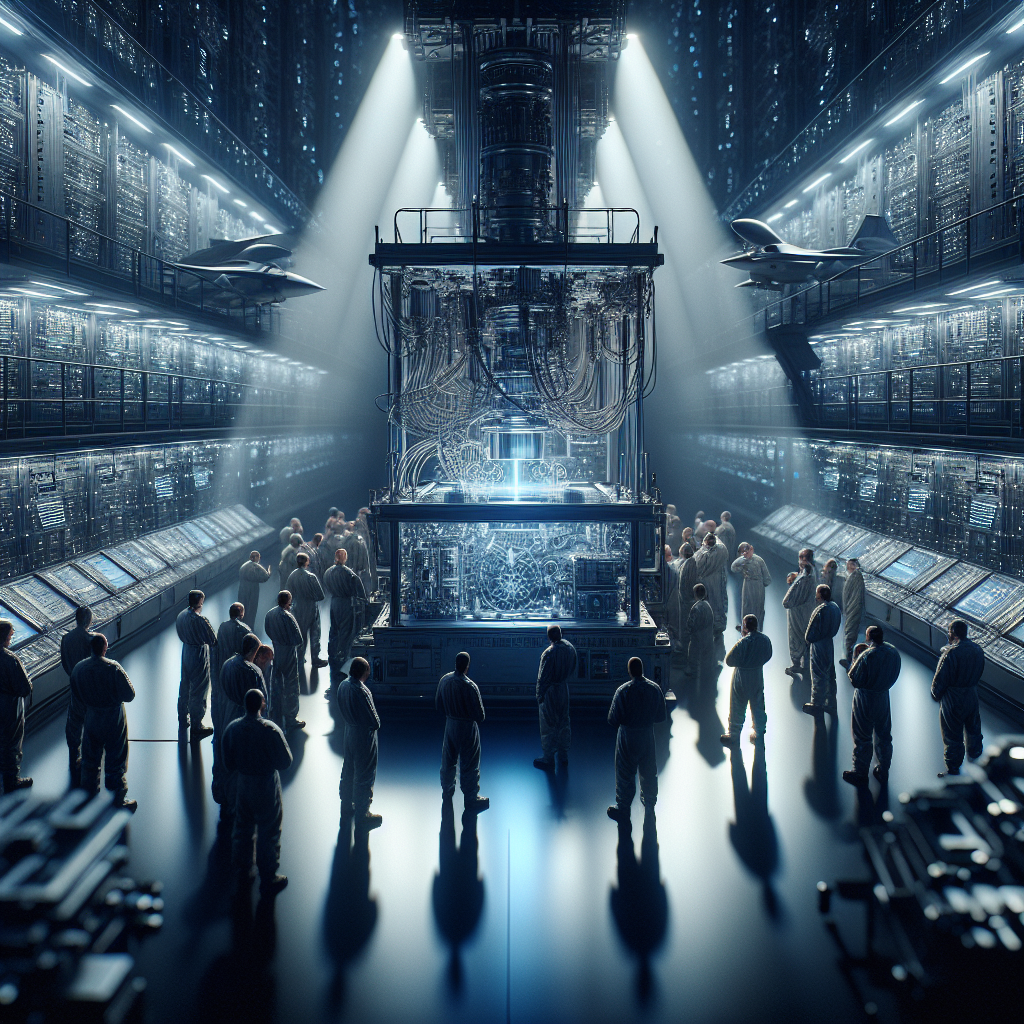
Imagine: you’re late for a meeting, running through the airport, boarding pass in hand. Your flight’s about to leave, your phone at 6%. You don’t care how your charger or that airport scanner works—you just want to get home. But what if I told you there’s an invisible thread, one so thin most of us never see it, connecting these everyday conveniences—and even the world’s most advanced fighter jets—to a single, silent force halfway around the globe?
Welcome to the true story of how magnets—yes, those tiny things your kid sticks on the fridge—have quietly become the crown jewels of modern warfare. And how, right now, the world’s two tech giants are in a tense, nerve-wracking dance for control over them.
Magnets: The Secret Engine Behind Modern Life
Take a deep breath. Look around: your phone, your headphones, your car, maybe even the chair you’re sitting in, all depend—directly or indirectly—on magnets. But these aren’t the chunky playthings from science class. We’re talking about rare earth magnets: small, powerful, and absolutely essential.
Now, imagine you’re a pilot, helmet buckled, climbing into the cockpit of an F-35 fighter jet. The roar of the engine vibrates through you. Under the hood, an invisible army is at work—hundreds of rare earth magnets, working in radar systems, missile guidance, stealth navigation, and communication gear. No magnets, no flight. The jet is just a billion-dollar paperweight.
But it’s not just military tech at stake. Electric vehicles need magnets to move. Wind turbines need them to spin. Cities light up, hospitals operate, rockets launch—all thanks in part to these invisible gems.
The Chinese Magnet Squeeze
Now, here’s where it gets real. More than 70% of the world’s rare earth magnets come from one place: China. Think about the power that brings. It’s like controlling the global supply of water in a world that’s always thirsty.
Recently, China started making moves: placing quiet—but potent—restrictions on the export of these crucial magnets and the raw materials used to make them. The world barely noticed at first. No headlines, no breaking news. Just a slight tightening, a subtle change in the rules.
But for those who build fighter jets or design missile systems, alarms are blaring. Without access to high-quality magnets, even the most advanced weapons could stall. Soldiers might lose their edge. Engineers in defense labs suddenly face a problem money can’t just solve.
Picture This: The Night Everything Stopped
Now, imagine an alternate night in the near future. A team of engineers rushes into a government lab. They’ve just realized their next batch of drones can’t fly—they’re missing a single dime-sized magnet. The supplier in China has gone silent. Every alternative is outrageously expensive, unreliable, or months away. In the Situation Room, military leaders stare at the screens with a single, chilling question: What now?
Ordinary people might not see it, but this scenario is inching closer to reality. In this new kind of war—call it a “stealth war”—nobody fires a shot. Instead, victory goes to whoever holds the keys to the world’s most critical technologies. Today, those keys look suspiciously like rare earth magnets.
Why Should You Care?
You might be thinking: “Cool story, but how does this affect me?” Simple. If the supply of rare earth magnets tightens:
- Electric cars become more expensive, maybe even scarce.
- Green energy progress slows dramatically.
- The phone in your hand and the headphones in your ears could see prices soar.
- Most critically: the safety and security we often take for granted, powered by advanced weapon systems, faces a quiet, hidden threat.
The decisions being made in boardrooms and military tables today could ripple out to every streetlight, every charging station, and every home tomorrow.
Is There a Way Out?
Nations are scrambling to find answers. Some want to jumpstart new mines, others try recycling, and a few bet on inventing new types of magnets altogether. But all these solutions take years, even decades. For now, the world tiptoes—one tight shipment, one new policy—on the edge of a major tech showdown.
The Silent Power Struggle
It’s easy to miss the big picture, caught up in tweets and headlines. But beneath that quiet hum of spinning turbines and zooming EVs is a global tug-of-war. The next chapter in this hidden war could unfold at any moment, in the silence of a factory floor or the darkness behind a government screen. The stakes? Only the future of technology as we know it.
So, here’s the real question: If world-changing power comes down to something as small as a magnet, what other invisible forces are quietly shaping the future around us?
Let’s talk—drop your thoughts below.