
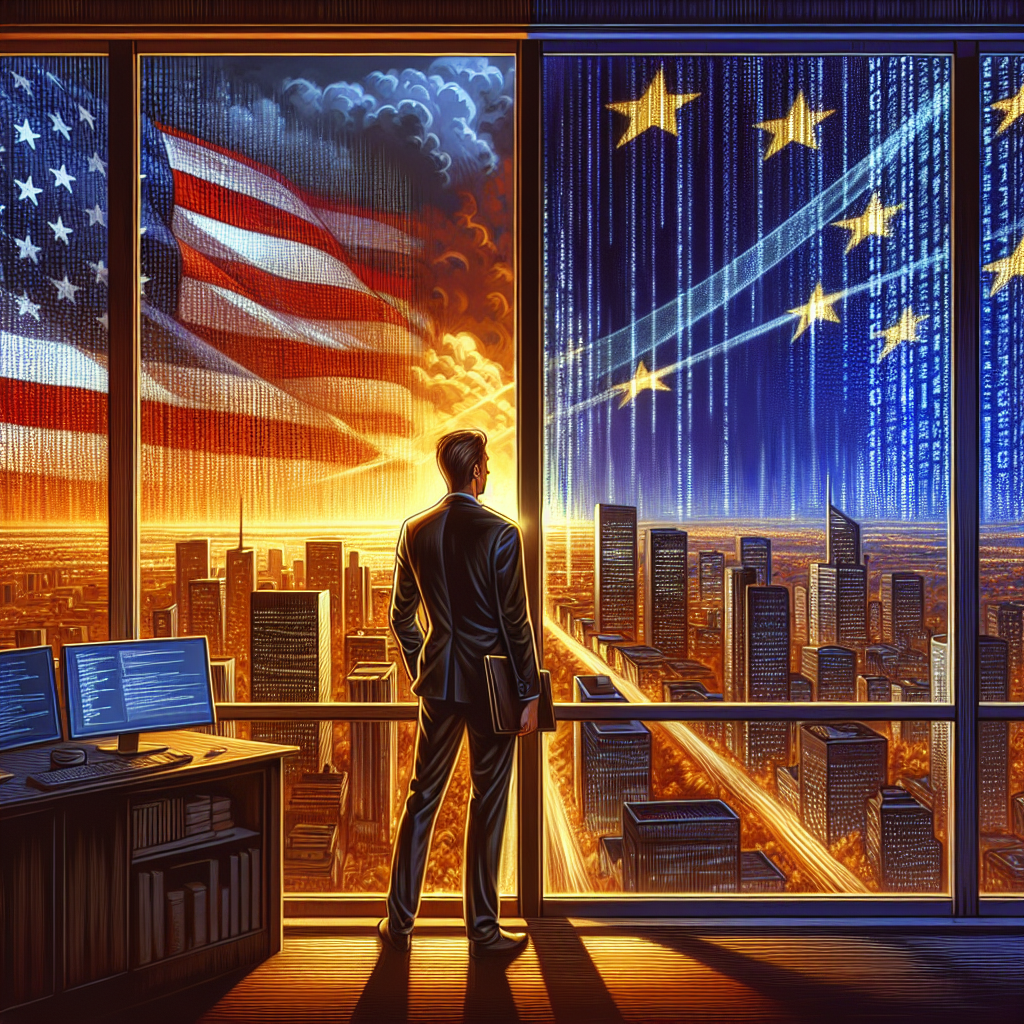
A Stark Warning Echoes Across Silicon Valley
The August sun cast a muted glare over San Francisco as the inboxes of the world’s most powerful tech executives pinged with a letter they would not soon forget. From the polished glass offices of Alphabet to the bustling campuses of Meta, a chilling question cut through the usual din of innovation: How far would they go to protect American privacy when foreign governments came knocking?
For the first time in years, the Federal Trade Commission — the government’s watchdog with increasingly sharpened teeth — declared war not just on the next viral privacy scandal, but on a shifting global order that threatens the very promise of American data security[1][3].
Why This Matters: The Quiet Clash for Control
At the heart of the storm is a conflict as invisible as it is profound. On one side, powerful nations, especially major U.S. allies, are rolling out new digital laws like the European Union’s Digital Services Act and the UK’s Online Safety and Investigatory Powers Acts. These laws give governments potent tools: they can demand platforms censor speech globally, or — more quietly, but more dangerously — force them to weaken the encryption shielding users’ data[2][3].
On the other, the FTC, led by Chairman Andrew Ferguson, has drawn a red line: “Censoring Americans or weakening their data security at the behest of foreign powers may violate U.S. law — and erode freedoms the internet was supposed to protect[2][3].”
How the Attack Vector Works: Weakening the Weakest Link
Imagine your group chat: photos, plans, jokes — everything is “end-to-end encrypted,” meaning only you and your friends can read the messages. But what if Apple or Meta, under foreign pressure, quietly altered the coding so that hidden back doors cracked open your digital vault?
This vulnerability isn’t hypothetical. Earlier this year, Apple faced demands to install a backdoor for UK law enforcement. Instead, they axed iCloud’s end-to-end encryption for UK users — dodging the law’s intent at the expense of user trust worldwide[2]. Had they caved, every iPhone worldwide might have become less secure.
“These back doors are never used just once,” says Vanessa Kim, a cybersecurity analyst at DataDefend Labs. “Once you weaken encryption anywhere, you risk unlocking it everywhere.”
The FTC’s Move: “No Compromises on American Data”
The FTC’s letter, dated August 21st, didn’t mince words. Addressed to corporate titans including Amazon, Apple, Microsoft, and Meta, it spelled out that their responsibilities cross borders. Just because a foreign government demands compliance doesn’t mean a company can legally weaken American users’ privacy — or lie by omission about security features in their marketing[1][3][5].
“In the past, companies might have quietly complied, thinking secrecy would protect them,” says Ferguson. “That era is over. If they undermine American privacy anywhere, there will be consequences here[3][5].”
A Family’s Digital Life — On the Line
Picture this: The Parkers, a suburban Detroit family, use encrypted apps for everything — planning birthday parties, managing medical records, and sharing sensitive job documents. When tech companies bow to weak international laws, the Parkers’ daily routines become exposed to surveillance, identity theft, or fraud from across the globe. Their peace of mind is shattered not by hackers, but by the erasure of invisible walls they relied on.
“I just want to know our conversations are safe from prying eyes, no matter the politics in another country,” says Jordan Parker, a software engineer and father of two.
The Tech Industry Divided — Some Champions, Some Skeptics
Not every company sees the world the FTC’s way. Privacy-first firms like Purism have long refused to store data on foreign servers or collect extraneous personal details — “vindication,” Purism claims, for their stubborn principles[5]. Yet, giants with global footprints fear the potential for conflicting laws: comply with the FTC at home and get fined abroad, or vice versa.
“If the UK’s law becomes global precedent, we could see tech giants simply pivot to offering less security to everyone, everywhere,” warns Daniel Wu, a policy advisor with the Center for Digital Integrity.
Public Outcry and Government Reaction
Across social media and bustling forums, users erupted with skepticism and concern. Many pointed out hypocrisy — as some U.S. agencies have demanded similar data access domestically. “There’s no difference between foreign and domestic pressure to weaken privacy,” posted an anonymous user on a tech forum[2].
The FTC, maintaining its stance, has launched public inquiries to understand how censorship and weakened privacy hurt Americans. Their message? “Tech firms shouldn’t bully users — or sell out their rights for foreign compliance[4].”
What’s Next — Could It Happen Again?
The FTC’s line in the sand is bold, but not final. “Global tech regulation is a never-ending chess game,” says Kim. Future foreign laws may yet force new showdowns, and the delicate balance of speech, privacy, and global commerce will only get shakier.
For now, the real question lingers: If the world’s most powerful nations keep pressing for back doors and censorship, will Big Tech stand with the FTC — or crack open the locks on privacy once again?
What would you trust more: global laws, or your own government’s promise?
FAQ
What did the FTC warn Big Tech about in August 2025?
The FTC formally warned companies like Apple, Meta, Amazon, and Google that they could face legal consequences in the U.S. if they comply with foreign laws that require censorship or weakening Americans’ data privacy or encryption[1][2][3][5].
Why are foreign laws like the Digital Services Act and Online Safety Act controversial?
These laws can require global tech firms to censor online speech or create “back doors” in security systems, making private data more vulnerable to hackers and foreign surveillance, affecting users everywhere.
How does weakening encryption put consumers at risk?
Reducing encryption (the digital method protecting messages and files) endangers user data, exposing people to increased risks of surveillance, identity theft, or online fraud[2][3].
Did any companies change their policies due to foreign pressure?
Yes. For example, Apple removed iCloud end-to-end encryption in the UK to avoid adding a government-mandated backdoor, which could have made all user data less secure globally[2].
What could happen next in the fight for online privacy?
As governments push for more control and companies face conflicting regulations, battles over encryption and free speech will intensify. The FTC’s new stance may inspire more robust privacy protections, but the outcome is anything but certain.