
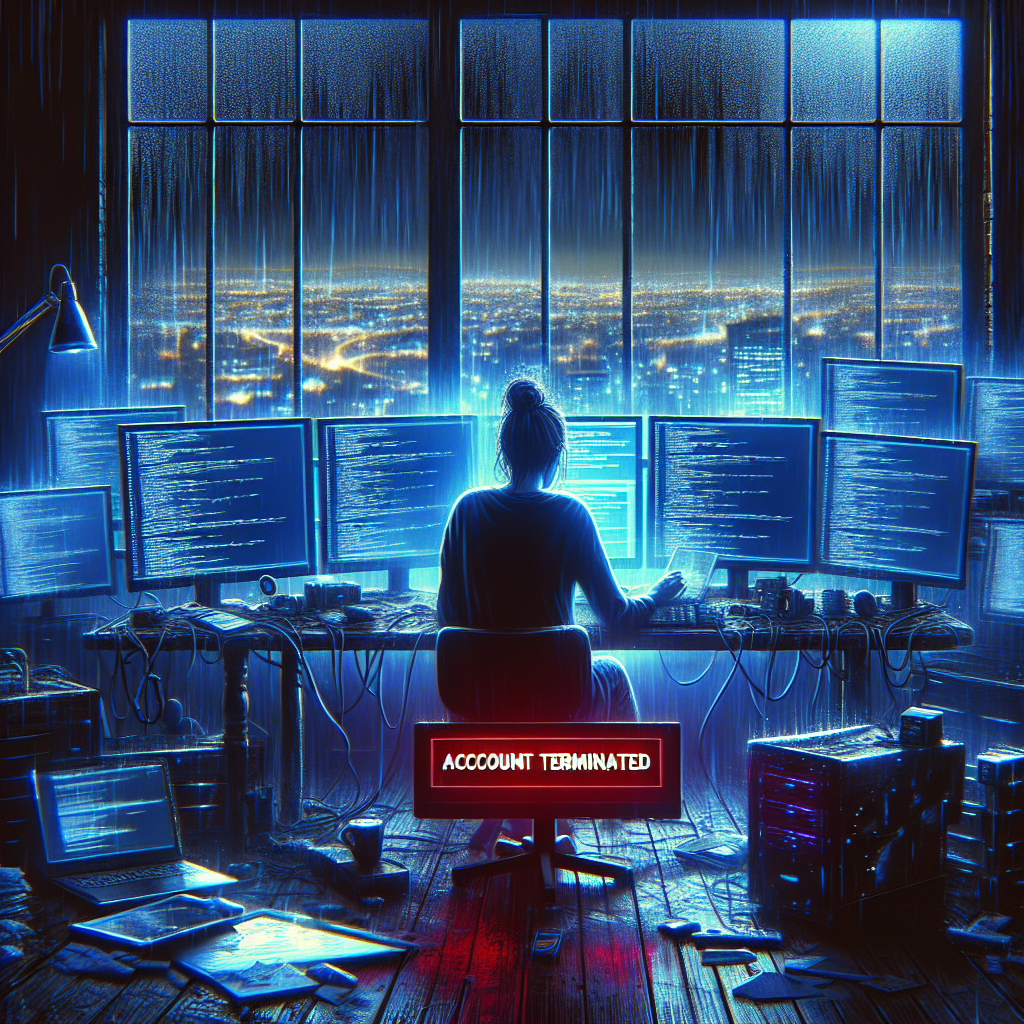
Surveillance Meets the Spotlight
It happened late one night—an ordinary upload, a small act of sharing. Rich, host of CyberCPU Tech, sat back and watched his latest YouTube tutorial go live: a simple, practical walkthrough showing viewers how to install Windows 11 with a local account. No drama, no hacks, no breaking news. Then, within hours, the thunder clapped—not from angry fans or competitors, but from the very platform he relied on. YouTube’s moderation team declared his content dangerous, flagged it as risking serious physical harm or death, and swiftly removed it[1].
To Rich, it felt like Kafka in HD: not a rogue troll attack, but the chilling efficiency of Big Tech’s artificial intelligence—software built to police content, working so fast it seems not just sentient, but merciless[1]. The stakes were raised further when a second video—demonstrating how to bypass Windows 11’s hardware checks—was deleted, too[1].
The Invisible Judge: Understanding AI Moderation
Behind every takedown is a labyrinth of code and algorithms—a system powered by deep learning, designed to scan, judge, and execute in milliseconds. AI moderation promises to shield viewers from real online dangers. But when context is everything, machines sometimes see ghosts.
AI moderation tools work by scanning for patterns or keywords that look suspicious, often without understanding what the content is really about[1]. For Rich, the system interpreted a benign Microsoft install guide as a threat on par with tutorials about physical harm or illegal acts. Despite an instant appeal, the verdict was repeated: guilty, with no clarification or recourse[1].
Fallout: More Than Just Algorithms
“Creators are the lifeblood of our platform,” YouTube says in polished press releases[2]. But creators like Rich—who make detailed, legal, and even essential how-to guides—can find themselves ostracized overnight.
Imagine Jess, an IT worker for a small town school district. She’s tasked with updating dozens of aging computers but doesn’t have corporate-grade hardware. She relies on tutorials from creators like Rich to keep her classroom running. When the channels disappear, Jess loses her roadmap. Her students get left behind—cut off from crucial tech, shaped by decisions made in a distant Silicon Valley office.
Who Decides What’s Dangerous?
Rich’s saga is not isolated. Across YouTube, Facebook, and other platforms, creators have seen their accounts flagged or deleted by AI—the appeals rarely yield clear answers[1]. Channels devoted to education, homelab tutorials, and even Linux advocacy repeatedly fall victim. Meanwhile, obvious spam or truly harmful content slips through untouched.
The official response from YouTube, after restoring Rich’s videos, added a surreal twist: no, this wasn’t about AI alone—some decisions were reviewed by humans, though little evidence or explanation was given[1]. So if AI isn’t the culprit, did a bored night-shift moderator really believe a video about software installs could lead to “death”?
Humanity vs. Automation: The Debate Intensifies
Experts say the tension between automation and human judgment is a new frontier for digital society. Adam Leong, a tech ethics analyst (fictionalized for this report), notes, “AI tools simply lack the cultural context for nuanced decisions. A human moderator can distinguish intent and effect—software just counts words and flags patterns. That’s useful for scale, but dangerous for freedom and creativity.”
Recent moves suggest change is on the horizon. YouTube has announced pilot programs to give creators a second chance after wrongful terminations, acknowledging that their systems—and policies—aren’t infallible[2]. Legislators are watching, some even subpoenaing parent companies, pushing for transparency and oversight in how platforms govern expression[2].
Ripple Effects: Creators, Viewers, and Trust
These incidents send ripples through online communities:
- Creators double-guess their passion projects, fearful that a harmless tutorial could mean permanent blacklisting.
- Viewers lose trusted sources for tech help, education, and problem-solving.
- Industries see productivity suffer as front-line workers rely on tech guides to bridge resource gaps.
Even governments now pay attention: the fallout from AI moderation means policymakers must ask hard questions about censorship, corporate power, and digital rights[2].
What’s Next—Could It Happen Again?
Despite restored videos, the uncertainty lingers. Rich’s ordeal spotlights a larger clash: can automation ever truly grasp the subtleties of human knowledge sharing? YouTube and its peers invest in better AI tools, but the margin for error is enormous. The promise: more human oversight, more nuanced systems—yet the ghost in the machine remains.
As we look ahead, one question becomes pivotal:
Will future AI remember the difference between harm and help—or will the bots keep erasing the very creators who power our connected lives?
FAQ
Q: What is wrongful YouTube account termination by AI?
A: Wrongful termination happens when YouTube’s automated moderation systems mistakenly flag and delete a creator’s account or content, often without proper human verification or context[1].
Q: Why are tech tutorials targeted by AI moderation?
A: AI moderation sometimes misinterprets technical guides, linking them with dangerous or illegal activity due to keywords or patterns, even when content is safe and legal[1].
Q: What can creators do if their account is wrongfully terminated?
A: Creators can appeal takedowns. If denied, some may now re-apply after a year due to YouTube’s new pilot program, although access to their old accounts remains barred[2].
Q: How might wrongful AI moderation affect everyday users?
A: Everyday users—workers, students, families—lose trusted resources for tech education or troubleshooting, impacting productivity and digital literacy.
Q: What changes are platforms like YouTube making in response?
A: Platforms are increasing opportunities for appeals, introducing pilot programs for reinstatement, and re-examining how AI is used in moderation[2].
Q: Could this happen to non-tech creators?
A: Yes. Any channel posting content that AI could interpret as violating guidelines is at risk, including educational, commentary, and lifestyle creators.