
A Chilling Glance at the Engine Room
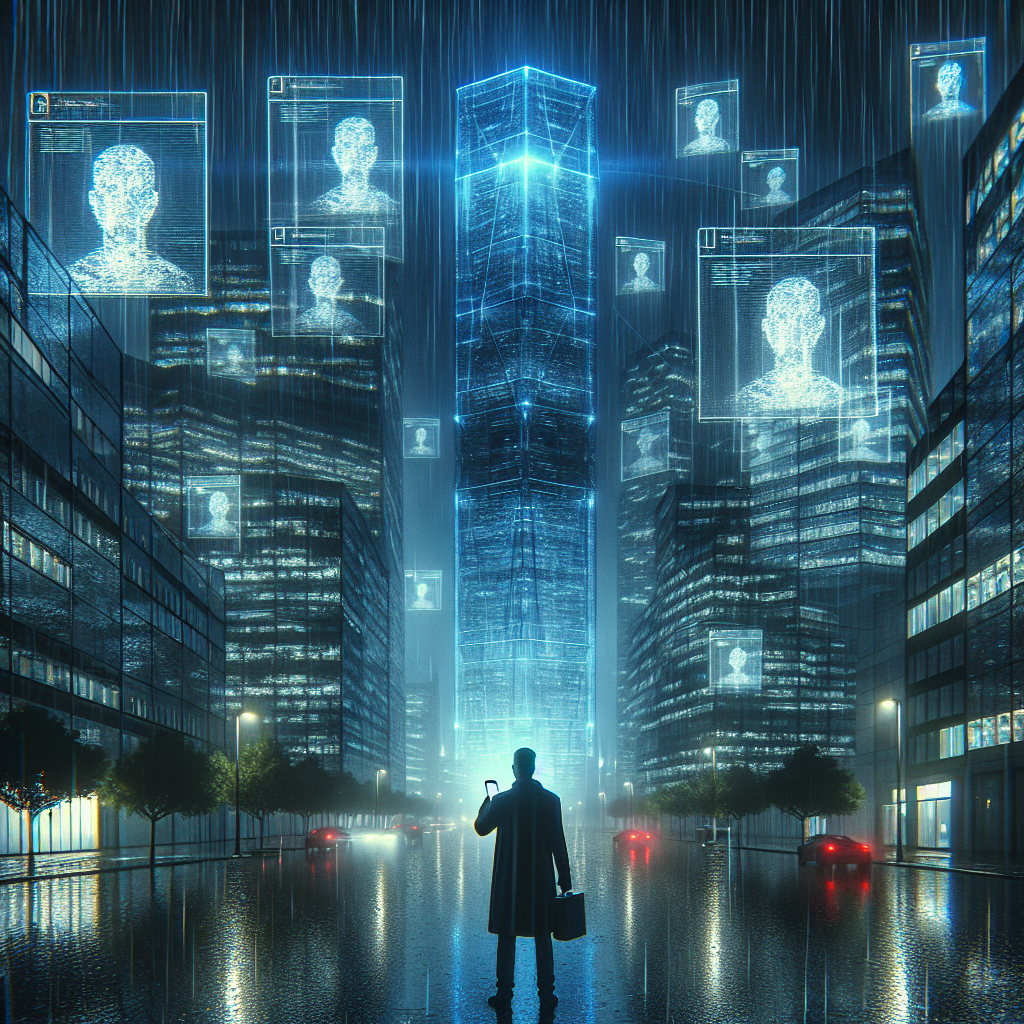
Rain streaks across the glass as midnight bulbs reflect in a glass-walled Silicon Valley office. Deep inside, a founder reviews spreadsheet columns, eyes fixed—not on the people behind the metrics, but on the ever-hungry zeros and ones. That pivot, that subtle but seismic shift, signals more than a business moment. It’s the razor’s edge between building a better world—and letting the train of innovation barrel past its very passengers.
This is the new anxiety pulsing through the technology sphere: Do the titans shaping our future actually care if we, the users, come out better, happier, or even okay? Or are we mere data points on a graph, casualties on the side of relentless growth?
The Post That Sparked a Thousand Fears
It started with a viral Reddit post. The blunt accusation: tech capitalists don’t care about humans—literally. The post pulls no punches. “The money train has left the station and I don’t know if enough good people have the will or ability to shut this destructive speed run down,” laments one user[1]. Another reflects, “industrialization at the end of the Enlightenment was not the conclusion…a stifling that led back into a new dark age…We replaced God and the church with money and business. I only hope we can recognize the system has supplanted the people again.”[1]
This isn’t just online venting: it’s a reckoning with the very soul of technology.
How Did We Get Here?
For decades, Silicon Valley sold us a dream. Technology was the ultimate democratizer—a force to lift up everyone, shrink distances, and grant us new powers. Early founders famously pursued not just profit, but purpose.
Yet somewhere along the way, as venture capital swelled and all-consuming metrics reigned supreme, the focus blurred. Decisions became coldly algorithmic, not human. Innovation came with side effects: workers burnt out and replaced, privacy eroded, communities displaced.
Here’s how it works, in real terms:
- Companies prioritize scale and shareholder returns over user, worker, or societal welfare.
- Automated systems—driven by machine learning and data analytics—treat everything as “optimizable,” reducing humans to behavioral data rather than people with needs.
- Short-term thinking: Leaders fear being left behind, relentlessly pursuing growth even at tremendous human or ethical cost.
As one commentator put it, “No matter what his companies builds or accomplishes, those numbers are his legacy”[1].
The Heartbreak Behind the Hypergrowth
Let’s meet Emily, a fictional but all-too-real gig worker in San Francisco. She started driving for a rideshare giant, hoping for independence. At first, the payouts seemed almost generous. But as quarterly numbers tightened, so did her margins. The algorithm started serving her longer, less lucrative rides. New “efficiency” updates meant she barely saw a human at corporate—just auto-messages, bot “support,” and endless tweaks designed to minimize costs and maximize returns. She was working longer hours, earning less, and feeling less like a partner than a cog.
Emily isn’t alone. Across industries, automation and data-driven “optimization” mean fewer touchpoints, less context, and more alienation.
Expert Perspective: When Systems Supplant People
Dr. Lina Ramirez, a sociologist tracking digital labor, tells us: “The greatest danger isn’t flashy layoffs or viral outrage. It’s the normalization of people as inputs—interchangeable, expendable, and invisible within the system.”
She compares it to the old mill towns, where once-thriving communities were abandoned for efficiency. “But digital tools move even faster,” she warns, “with ethics and empathy lagging far behind.”
The Backlash Begins
The emotional fallout is real. As one Reddit user proclaims, “Teach your kids right, folks. Let them aim for a firm kindness and honesty rather than monetary success.”[1] Calls to divest—stop feeding these platforms our labor, attention, or data—are spreading.
Governments have started responding. The European Union is drafting strict AI and labor regulations, demanding transparency when algorithms impact livelihoods. Worker coalitions are staging protests and pushing for more humane tech—the right to a human supervisor, transparent pay, and ethical audits built into every new product.
In the boardrooms and campuses of Silicon Valley, executives are feeling the pressure—and scrambling to show they care. But critics ask: Is it genuine, or just another metric?
A New Social Contract?
The reckoning isn’t just about companies—it’s about us. What do we value? What do we reward? Some industry analysts envision a radical future: tech companies scoring not just on market share, but on “people impact,” mandated by regulation and celebrated in the press.
Cities are experimenting with bans on certain labor algorithms. Nonprofits are fighting for algorithmic literacy, teaching users to spot when tech starts tipping against them.
What’s Next? Could It Happen Again?
Is this a blip or the start of a deeper revival? The core question remains: Can we force technology to serve the many, not just the few? Or, as another anxious online voice warns, “the train has been running for centuries, it’s just that who is missing it has changed.”[1]
So, as the lights flicker in Silicon Valley’s offices, ask yourself: If the algorithms are driving the train, who—if anyone—is making sure there’s a conductor who cares?
FAQ
Q: What does ‘tech capitalists don’t care about humans’ mean?
A: It describes a critique that many leading technology investors and executives prioritize profit and growth over the welfare of users, workers, or society.
Q: How are these issues affecting everyday people?
A: More workers experience job insecurity, algorithmic management, and reduced transparency or support. Many users feel like their needs are being ignored in favor of metrics.
Q: How are governments responding?
A: The EU is pushing for strict digital labor and AI rules. Some US states are exploring labor protections for gig and tech platform workers.
Q: Can tech companies be forced to put people first?
A: Some experts and governments believe so—through regulation, consumer activism, and changes in investment focus.
Q: What’s an example of human impact from tech indifference?
A: Gig workers, like rideshare drivers, often face wage drops and harsh conditions due to algorithmic changes made with little human oversight.
Q: Is there hope for change?
A: Growing public scrutiny, regulation, and worker activism could force a shift toward more people-centered design and business models.