
The Elevator Pitch That Changed Everything
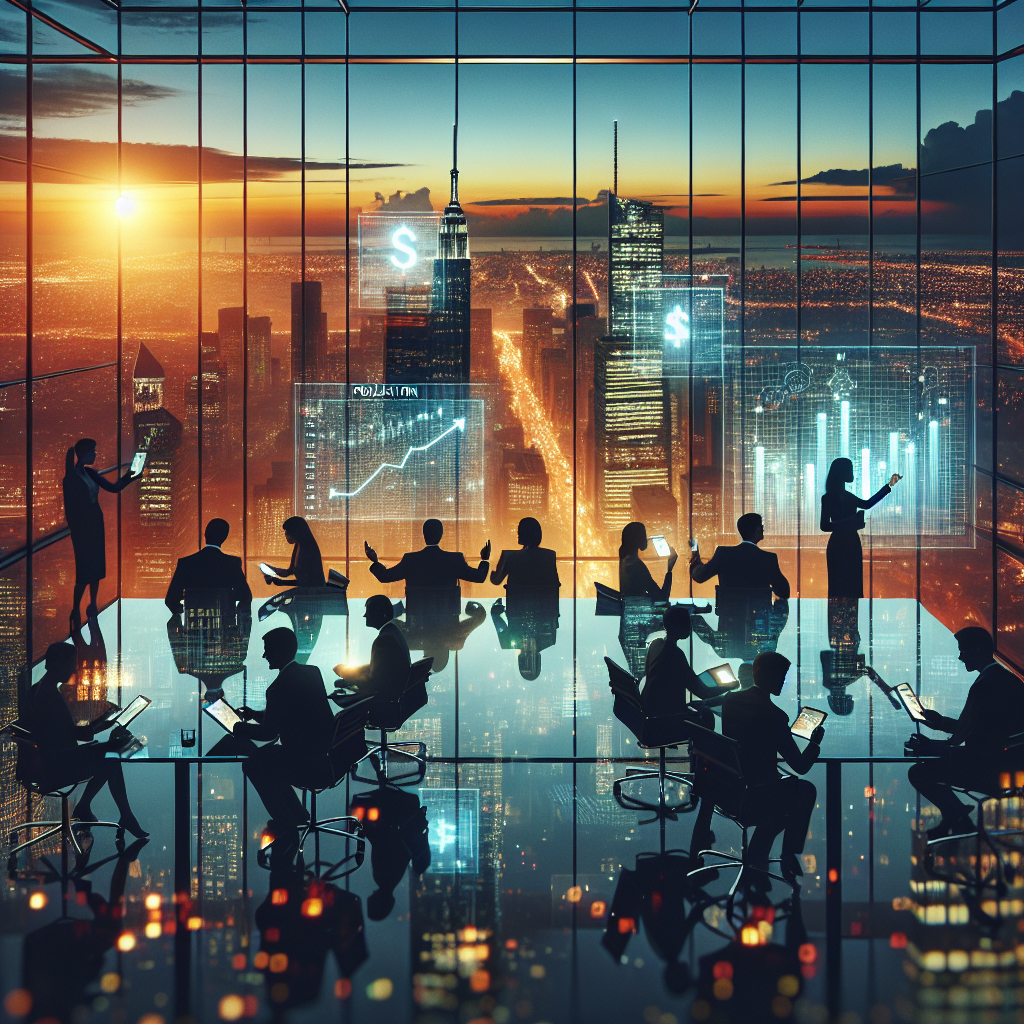
It started in a glass-walled boardroom, thirty stories above San Francisco’s Market Street. The tech giant’s founder, eyes bright with intensity, pitched a future of infinite efficiency to a circle of investors. “Why do we need human empathy in the equation when algorithms can optimize for scale?” he asked, not as a question, but as a conclusion. Laughter echoed, glasses clinked, and a chilling philosophy crystallized: The less we care, the more we disrupt.
What sounded like dry strategy in that room soon cascaded into a global reshaping of everything from our jobs to our sense of self.
Why Is This Happening — And Why Should You Care?
Tech capitalists—those who funnel billions into tomorrow’s devices, apps, and systems—rarely wear villainous capes. But the relentless chase for growth has left empathy in the dust. The Reddit thread—lighting up with thousands of upvotes—voiced what many have whispered: Are those shaping our digital world forgetting about the people inside it?
This isn’t just about bad press or “evil corporations.” It’s the systematic detachment of decision-makers from the millions whose lives are upended by “disruption.” As Dr. Lena Hu, tech ethicist and industry analyst, puts it: “The algorithm doesn’t see layoffs, privacy invasions, or mental health crises. It only sees margin.”
The Invisible Machine: How Tech Leaves Humanity Behind
It begins innocently—autonomous AI, super-efficient gig platforms, hyper-scaled automation. Each new system promises to cut waste, speed up transactions, serve customers faster. But when designed without human impact in mind, these upgrades create what some now call “empathy deserts.”
An empathy desert is what you get when no one in charge asks: Who’s at the sharp end of this optimization? Imagine a ride-share driver deactivated by a software error, with no recourse or human contact, or a family whose personal data is slurped up and sold without their knowledge—because the algorithm decided they’d make a perfect target.
“These systems don’t hate people,” says Hu. “But they are built by people too far removed from those they affect. That’s how harm becomes invisible.”
The Human Cost: A Family Inside the Algorithm
Picture this: the Rodriguez family, living in a mid-sized American city. Patricia, a nurse, relies on a scheduling app that suddenly changes its logic, leaving her with unpredictable shifts and little time for her children. Her husband Alex, a delivery driver, finds his pay halved after a new “efficiency” update sweeps across his company. Their budget collapses, their kids’ routines crumble, and there’s no real person to call—just emails, tickets, and bots.
Multiply their struggle by millions. The thread’s comments are filled with stories like theirs—honest work destabilized, dignity compromised, all sacrificed to an idea of scale.
Industry and Government: The Reckoning
Once “move fast and break things” started breaking real lives, governments took notice. In 2024, the European Union unveiled strict regulations on algorithmic accountability, demanding tech firms justify and explain automated decisions. In the U.S., a congressional hearing saw lawmakers grilling CEOs over “inhumane automation.” Top tech leaders, although defensive, couldn’t evade viral video clips of their tone-deaf justifications.
The shockwaves hit boardrooms worldwide. Suddenly, “human-centered design” became more than a PR catchphrase—it was a matter of survival.
The Pushback: Fighting For the Soul of Tech
A new breed of engineers, activists, and workers began pushing for transparency and recourse. Unions for gig workers, grassroots movements demanding digital rights, and whistleblowers exposing algorithmic bias all gained momentum.
Dr. Hu notes, “As soon as enough people connect the dots between technical decisions and personal pain, the balance of power shifts. That’s real progress.”
What’s Next: Could This Happen Again?
We stand at the fork in the road. With every leap in AI and automation, will tech capitalists finally weave empathy into their algorithms—or just keep optimizing until society frays?
The Rodriguez family hopes for a future where a programmer, somewhere, remembers the human on the other side of the code. Regulation is tightening. Public demand is surging. But will Silicon Valley’s heart catch up to its head?
So what do you think—can innovation and empathy really exist together, or is this just the next evolution of Silicon Valley’s cold logic?
FAQ
Q: Why don’t tech capitalists care about humans, according to critics?
A: Critics argue that in their obsession with efficiency, growth, and profit, tech capitalists often sacrifice empathy—overlooking how automated systems, data mining, and rapid disruption impact everyday lives.
Q: What are the human consequences of empathy-free tech innovation?
A: Consequences include job instability, loss of individual dignity, privacy erosion, mental health issues, and a lack of real recourse when things go wrong in tech platforms.
Q: Are any governments taking action?
A: Yes. For example, the EU has enacted strong algorithmic accountability rules, and in the U.S., Congress is pushing for greater transparency from tech firms regarding their systems’ impacts on people.
Q: Can Silicon Valley regain public trust?
A: It’s possible—but only if tech leaders prioritize transparent, accountable innovation and actively design systems to minimize harm to users and workers.
Q: What does this mean for everyday consumers?
A: Consumers increasingly demand technology that values privacy, accountability, and the well-being of real people over cold efficiency.