
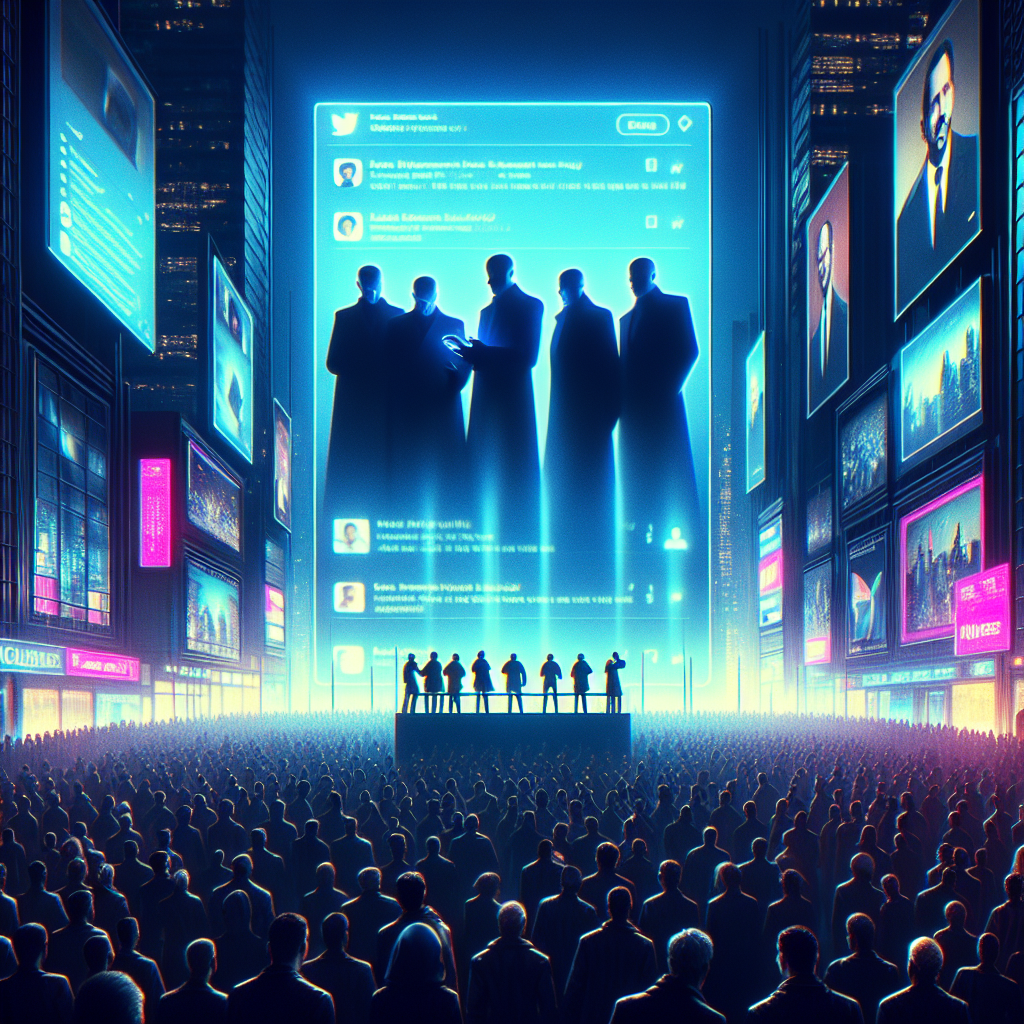
A Signal Over the Wire: The Moment the World Changed
August, 2024. A late-night tweet fans the flames of a riot in the UK; its author is not a faceless troll, but the world’s richest man. Soon, headlines—some real, some fabricated—flow from his platform to millions of anxious citizens. Within hours, a foreign parliament debates “detainment camps” that never existed. Behind closed doors, the machinery of democracy grinds, outpaced by the velocity of disinformation unleashed by a handful of Silicon Valley titans[1].
This is not a Black Mirror episode or a distant warning. It’s now. Welcome to the era where tech billionaires shape the very DNA of our democracies.
The Oligarch’s Network: How Power Got Wired
A single tap on your phone is more than a digital handshake. When you send a message, it flashes across privately owned satellites, seabed cables, and server farms—all controlled by a constellation of corporations steered by the super-rich[1]. The result? Control over communications—and with it, the power to amplify or mute voices across the globe.
Mass digitization promised to democratize information, but it delivered something else: centralized command over the infrastructure that knits our lives together. What once seemed like a liberating tool—the internet—has become a backbone owned by the ultra-wealthy, giving a select few the authority to flick switches few governments can reach[1].
Pulling the Strings: “Democratic” Influence in the Billionaire Age
The sway of tech moguls isn’t just technical. It’s deeply, profoundly political.
Take Elon Musk. In 2024, he used his reach to propagate false stories about riots in Britain, vilified government officials, and hinted at plans to sling millions toward right-wing movements[1][2]. In Brazil, when ordered to shut down accounts promoting election lies, he simply… didn’t—until Brazilian courts forced his hand with a $5 million penalty[1].
Jeff Bezos, meanwhile, used his purchase of a legendary newspaper to steer editorial endorsements away from candidates he opposed, shifting its opinion columns to champion the causes he favored[1].
And these are the visible plays. With campaign donations pouring in from tech investors like Marc Andreessen and Peter Thiel, and the relentless pursuit of regulatory rollbacks, the lines between lobbying, business ambition, and raw political engineering have all but vanished[2][3].
One Family’s Dinner Table: Democracy Hits Home
Imagine this: it’s a regular Sunday dinner in Liverpool. News alerts pulse through phones at the table—another riot, another emergency. Angela, a nurse, worries if she should go to work tomorrow. Her son, a student activist, can’t separate truth from rumor on his social feeds. Her husband, a taxi driver, mutters that “now even the government sounds like Twitter.” Their fear isn’t just the violence outside; it’s the uncertainty—what’s real, what’s whipped into fury by a billionaire on the other side of the world?
They’re not alone. Millions now live in a reality where billionaire narratives warp the public square, threatening to turn every dinner table into a battleground for truth[1].
Governments Strike Back: Pushback and Power Games
When Brazil’s Supreme Court enforced its ban, it marked a rare moment: a government standing up to a platform owner[1]. Meanwhile, new legislation—the Digital Services and Digital Markets Acts in the EU, intensified FTC scrutiny in the U.S.—signals that states are clawing for leverage[2].
But lawmakers face Herculean odds. That’s because these billionaires fund political campaigns, shape public opinion, and own the very systems regulators must use to get their message out. Activists warn that rolling back protections and deregulating platforms could cement oligarchic rule, not liberate innovation[2][3].
A New Social Contract: What Will We Accept?
Society now confronts a shimmering paradox: we depend on the tools and platforms these billionaires built, but we’re living in their world—a world where elections, economic rules, and even facts themselves can be rewritten at a whim[1][2][3].
Tech policy scholars call this a “tech oligarchy”—a new breed of corporate kingmaker with direct access to hearts, minds, and governments worldwide[1].
What’s Next? Could It Happen Again?
The next chapter is unwritten, but the stakes are clear. As Big Tech’s wealth races toward the first trillion-dollar fortunes, the choice is stark: submit to rule by digital barons, or demand new checks and balances powerful enough to rival their reach.
Will courts, parliaments, and citizens unite to preserve the messy, vital work of democracy—or is this merely the first act of a tech-powered aristocracy?
Provocative Question:
Is it possible to have real democracy when information itself can be bought, filtered, or rewritten by a handful of billionaire hands?
FAQ
Q1: How are tech billionaires influencing democracy today?
Tech billionaires steer public debate through ownership of information platforms, direct political donations, and outright intervention in global elections, shifting everything from news priorities to voting outcomes[1][2][3].
Q2: What is an example of tech billionaire interference?
Elon Musk and Jeff Bezos have both leveraged their assets—media outlets and platforms—to amplify or suppress political messages, directly affecting public perception during key votes[1].
Q3: Can governments counteract billionaire influence in politics?
Governments are trying new laws (like the EU Digital Services Act) and court actions (see Brazil vs. X), but billionaire control of essential digital infrastructure means power struggles are ongoing[1][2].
Q4: Why does this matter for everyday people?
Individuals face a world where reliable information can be distorted overnight, leaving citizens uncertain whom to trust and weakening the foundations of democracy itself[1].
Q5: Is the tech oligarchy unique to the U.S.?
No; tech billionaires wield outsized influence worldwide, from Brazil to the UK. This is a global re-ordering of power, not just an American phenomenon[1][2].