
Prologue: Spotlight, Silence, and a Network in Upheaval
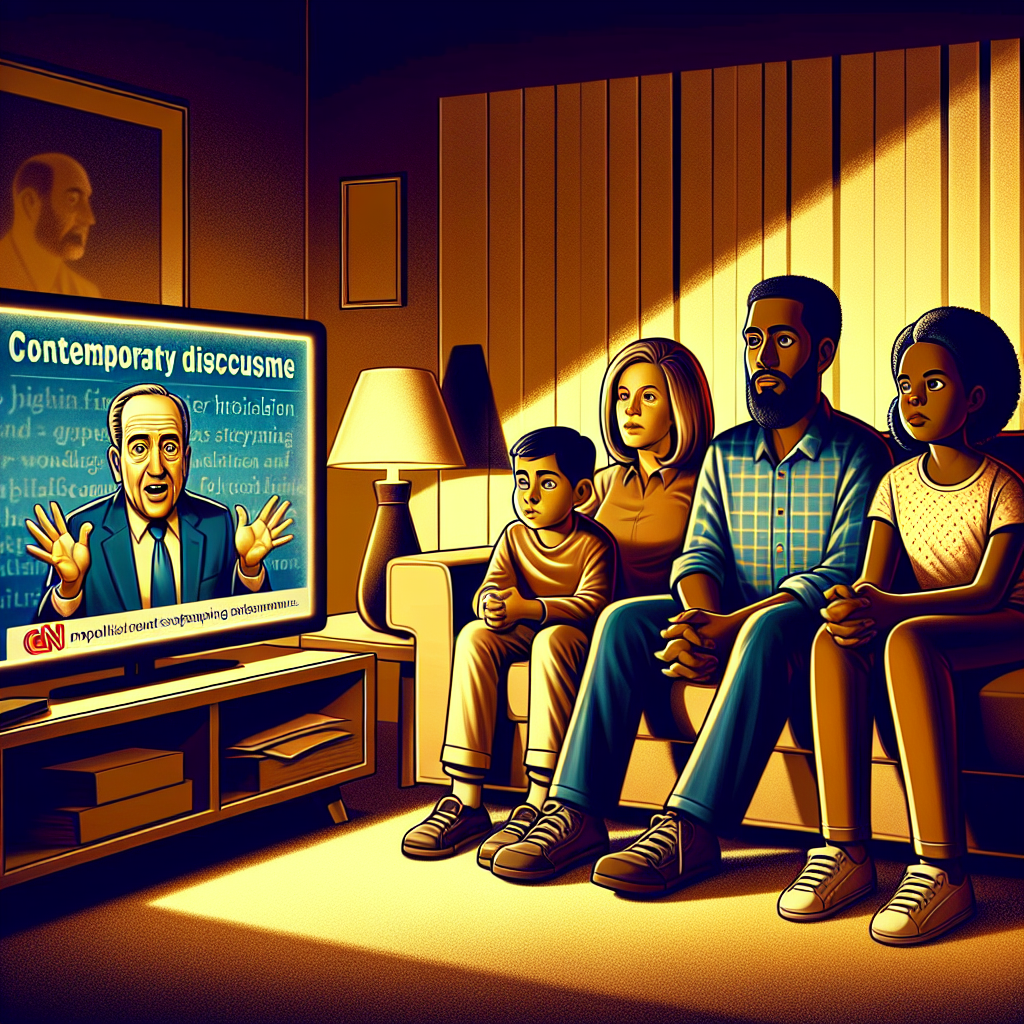
It’s just past midnight in a dim living room in Milwaukee. The TV—a lifeline to late-night laughter—sits mute. Where Jimmy Kimmel’s sharp wit usually cuts through America’s night, an unexpected tribute to Charlie Kirk flickers instead. It’s a scene repeating in living rooms across 30 U.S. cities, the result of a broadcast decision echoing far beyond entertainment and into the core of American media power[1][2][3].
The Incident: When a Joke Ignited a Firestorm
Late-night television thrives on controversy, but few expected a single comment to spark a full-scale industry reckoning. On a recent show, Jimmy Kimmel speculated about the motivations behind the assassination of conservative activist Charlie Kirk. His remarks quickly drew outrage, particularly from Sinclair Broadcast Group—the country’s largest ABC affiliate operator—which branded his comments as “inappropriate and deeply insensitive at a critical moment for our country”[1][3][4].
But this wasn’t just about one man’s words. It became a showdown over who controls America’s airwaves, whose voices are amplified, and whether the standards of national conversation are slipping beyond repair.
Why It Matters: Who Really Runs Your Television?
The drama goes deeper than a late-night host. Sinclair owns or operates ABC affiliates in 30 markets, giving it enormous power over what millions see—and don’t see—each night[2][3]. By yanking “Jimmy Kimmel Live!” and demanding apologies, donations, and even FCC (Federal Communications Commission) action, Sinclair flexed muscles rarely seen in public, challenging ABC’s decision-making and the influence of national networks over local broadcasters[1][2][3].
“Broadcasters have a responsibility to educate and elevate respectful, constructive dialogue in our communities,” Sinclair’s Vice Chairman Jason Smith said, pithily summing up a tension that runs all the way to the FCC and Capitol Hill[1][3].
Behind the Curtain: How the System Works—and Was Disrupted
To most viewers, a TV channel feels like a direct pipeline from a studio to their screen. In reality, the plumbing is far more complex. National networks—like ABC—create shows and distribute them through a web of local affiliates. These affiliates, often owned by powerful groups like Sinclair, can choose what to air and when.
Before this crisis, such preemptions were rare, reserved for local emergencies or breaking news. But Sinclair’s decision went further: not only pulling Kimmel’s show indefinitely, but replacing it with a tribute to the very person at the heart of the controversy, Charlie Kirk[2][3]. Sinclair also demanded Kimmel issue a public apology and make a “meaningful” donation to Kirk’s family and Turning Point USA[2].
Expert Views: The High-Stakes Battle Over Free Speech and Corporate Power
Tech analyst Maya Serrano puts it starkly: “What we’re watching isn’t just a suspension—it’s one media giant reminding the world that content isn’t just about artistry or ratings. It’s about power. When national networks and local broadcasters feud, the only certainty is disruption for viewers—and risk for democracy.”
FCC Commissioner Brendan Carr, referenced by Sinclair, hinted the regulatory body is watching closely. “We can’t ignore the growing control national networks hold over local voices,” he said in a statement. “This incident raises issues of accountability and localism—the core values broadcast was founded on.”[1][3][4]
The Human Angle: A Family Left Wondering
Susan Kelly, a fictional high school teacher in Des Moines, typifies the bewildered everyperson caught in the crossfire. Her family gathers nightly for a slice of escapism—now, that ritual is gone. “I get why people are upset, but can’t they just talk things out? Why do we have to lose our show?” she asks, echoing millions.
The Backlash and Ripple Effects
Community responses split sharply. Some hailed Sinclair’s actions as overdue accountability for national media. Others warned of chilling effects for free expression and the dangers of politicized broadcasting.
Social media boiled with debate, hashtags like #BringKimmelBack and #BroadcastResponsibility trending for days. Advertisers eyed the fallout nervously; several paused campaigns, waiting to see which way public sentiment—and regulatory winds—might blow.
Government attention quickly followed. Senators called for hearings on media consolidation and the FCC’s role. ABC and Sinclair entered tense negotiations, with Sinclair stating firmly that Kimmel’s show would not return “until we are confident appropriate steps have been taken to uphold the standards expected of a national broadcast platform”[2][3].
What’s Next: Could It Happen Again?
As of now, “Jimmy Kimmel Live!” is off the air on Sinclair’s ABC affiliates with no announced return. ABC’s next move is hotly anticipated, but the underlying issues—who sets standards, who wields power, and who speaks for America—show no sign of resolution.
The media landscape has suffered a tectonic shock. If a single segment can lead to this, what happens next time values clash on primetime? Will more local affiliates assert control, fragmenting the media that shapes America’s nightly narrative?
Provocative Question:
When outrage meets power in the digital age, who gets the final word on what America watches—and who decides what’s “appropriate” for millions of viewers?
FAQ
What led Sinclair to suspend Jimmy Kimmel’s show?
Sinclair suspended “Jimmy Kimmel Live!” after Kimmel’s comments about Charlie Kirk drew sharp backlash, citing “deeply insensitive” remarks and calling for more accountability from both the network and the FCC[1][2][3].
How does Sinclair have the power to remove a national show?
Sinclair owns and operates ABC affiliates in 30 major markets, allowing it to control local programming even over national broadcast content[2][3].
What did Sinclair demand from Kimmel and ABC?
Sinclair called for an on-air apology, a donation to Kirk’s family and Turning Point USA, and formal discussions about upholding national broadcast standards[2].
Has Jimmy Kimmel’s show been cancelled entirely?
No; ABC affiliates not owned by Sinclair may still choose to air the program, but Sinclair has “indefinitely” preempted the show in its markets[2][3].
What are the broader implications for free speech and TV?
This incident highlights ongoing tensions over speech, accountability, and regional media power, raising questions about what future confrontations between local and national broadcasters might mean for viewers and democracy.