
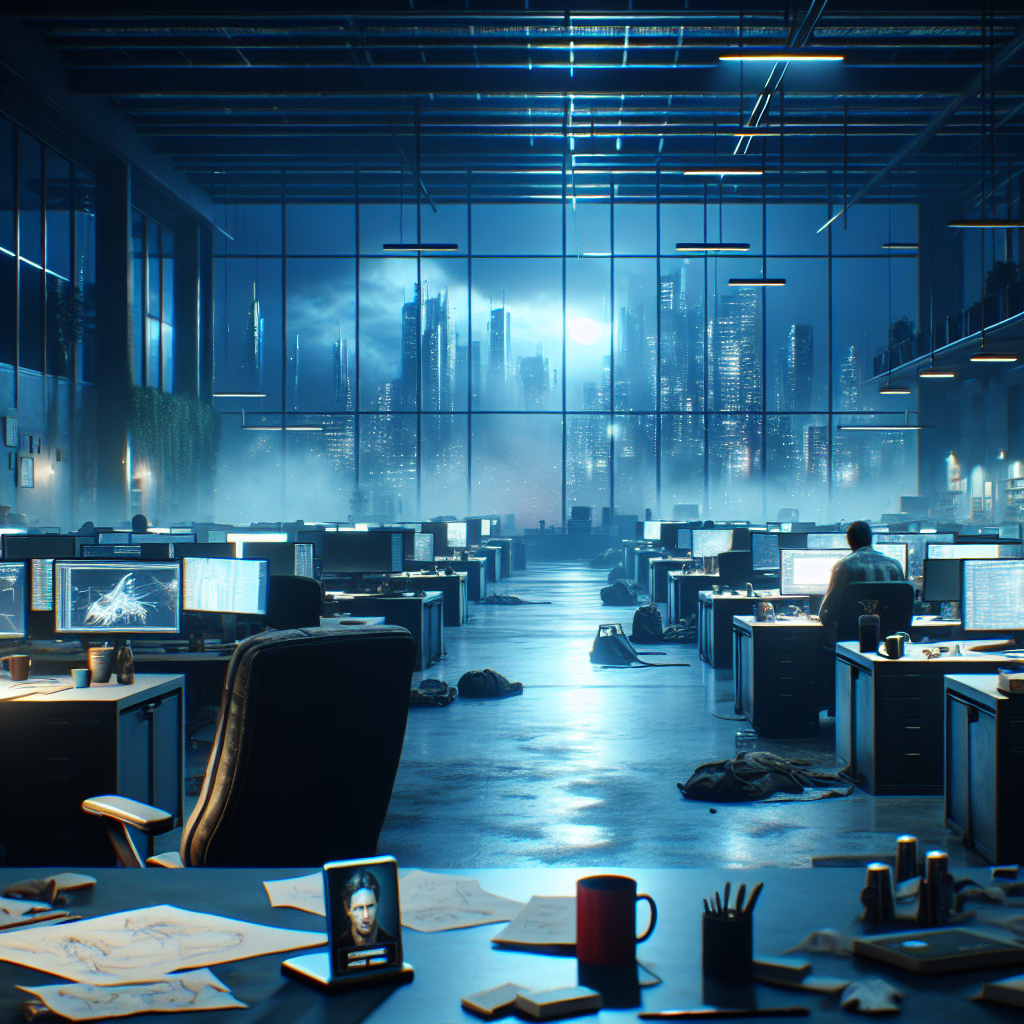
A Friday Afternoon, and the World’s Most Secretive Studio Shakes
It was a Friday that should have been like any other at Rockstar Games, the enigmatic powerhouse behind the Grand Theft Auto franchise. Game developers hunched over desks, the hum of anticipation for GTA 6’s looming launch in the air, a launch so coveted—even a whisper stirs global headlines. Suddenly, thirty to forty employees were called into private virtual meetings. By sundown, their careers at Rockstar were over.
Gamers wouldn’t know the full story until angry posts erupted online, with accusations, heartbreak, and protest banners lighting up Reddit and Twitter feeds worldwide. “Fired GTA 6 Devs: Rockstar, You’re Disgusting,” one post declared—a digital rallying cry for transparency and justice.
The Anatomy of the Fallout: What Really Happened?
Within hours, the news cycle was on fire. Rockstar, known for plotting the gaming world’s highest-stakes secrets, stood accused of something far more real than any game: union busting. The Independent Workers’ Union of Great Britain (IWGB) alleged the firings were a direct attack on staff forming a union—a move, they said, as cold as it was calculated[1][2].
Rockstar pushed back fiercely. Their spokesperson insisted in a statement to Bloomberg:
“Last week, we took action against a small number of individuals who were found to be distributing and discussing confidential information in a public forum, a violation of our company policies. This was in no way related to people’s right to join a union or engage in union activities.”[1][2]
Behind the press releases, a silent war was unfolding: confidential Discord chats, whispers of higher pay, better hours, more humane deadlines. Now, some of the industry’s best and brightest—once working on the most anticipated game in history—stood accused not of dissent but of leaking secrets.
Why This Matters: Union, Company, and the Code of Silence
For decades, the game industry has been notorious for harsh crunch—those endless, caffeine-fueled nights before a big release. But something had changed. At Rockstar, workers mobilized, demanding the same dignity found in other creative industries. IWGB president Alex Marshall didn’t mince words, calling Rockstar’s move “one of the most blatant and ruthless acts of union busting in the history of the games industry.”[1]
In their telling, Rockstar didn’t just fire employees—they silenced a movement. But management’s version was equally unyielding: leak sensitive code, maps, or storylines, and you risk the very fabric of multi-billion-dollar launches. Their fear wasn’t just lost surprise; it was reputational annihilation and real financial loss.
How the Leaks Happened: The Game’s Weakest Link
Rockstar’s secrecy is legendary. It’s said only a handful know the full scope of any GTA title before launch. Yet, the studio is stalked by hackers, leakers, and fans desperate for scoops. In September 2022, a massive breach saw early GTA 6 footage hit the web years ahead of schedule[2]. Security tightened. Staff were ordered back to the office, devices triple-checked. It still wasn’t enough.
According to sources close to the events, the latest leak didn’t come from an outside hacker but from within—a handful of trusted staff, frustrated and fearful for their livelihoods. Chat logs were shared, sometimes just workplace gripes; other times, sensitive information, carefully guarded for years.
Rockstar’s dilemma: Was this legitimate organizing—or a breakdown in trust that risked everything?
Personal Impact: The Story of “Jamie”
Picture Jamie (name changed), a mid-level Rockstar developer who’d always dreamed of bringing Los Santos to life. For her, the company’s cool edge had faded long before that Friday. The endless hours, the anxiety, and rumors of unionizing drew her to a small Discord group—a virtual break room for venting and strategizing, never meant for corporate ears.
When the call came, Jamie felt the floor give way. “They said I’d betrayed the team,” she later shared through a union rep. “But all I wanted was a place to talk. Now, a decade of work is gone.”
Jamie’s story resonates with thousands in tech, torn between loyalty, livelihood, and the hunger for a fair shake.
Industry and Global Reactions: Shockwaves Far and Wide
The firings didn’t just echo through Rockstar’s glass offices—they thundered across the tech world. Protests erupted outside Take-Two Interactive’s London headquarters. Social media was ablaze with former devs, unions, and fans rallying support.
Industry analysts worried about new talent avoiding Rockstar, or even gaming altogether, fearing “blacklists” and chilling effect on organizing. Governments, especially in the UK, faced pressure to scrutinize big tech’s labor practices. Some tech law experts saw a watershed moment: “If Rockstar can silence workers without real transparency, what’s to stop other studios from following?” mused Dr. Helena Portman, a labor law analyst out of Oxford.
What’s Next / Could It Happen Again?
GTA 6, almost mythic in anticipation, marches toward its 2026 release. But the real game may be behind the curtain: will Rockstar’s drive for absolute secrecy trump workers’ rights, or can both coexist? Will more companies, facing global scrutiny, find ways to let workers organize without fearing mass firings—or will the next breakthrough title always come with a price in human cost?
So, in the world’s most cutthroat creative business… who really owns the story: the billion-dollar studio or the voices of those who built it?
FAQ
Q: Why were GTA 6 developers fired?
A: Dozens of Rockstar developers were dismissed for allegedly leaking confidential information during union-related communications. The company denies this was an anti-union move, but union leaders contest that claim[1][2].
Q: What did the leaks involve?
A: Some leaks included internal discussions, while past incidents have featured footage and game details. No official confirmation links the fired employees to specific assets[1][2].
Q: Was this union busting?
A: The Independent Workers’ Union of Great Britain alleges it was union busting, while Rockstar insists it was a strict response to confidential data leaks[1].
Q: How did the gaming community react?
A: The backlash was fierce, with fans, devs, and labor advocates calling for more transparency and protection of organizing rights[2].
Q: Could this happen in other tech industries?
A: Experts say yes—without clear protections for both data security and organizing, other studios may see similar conflicts as unionization spreads.