
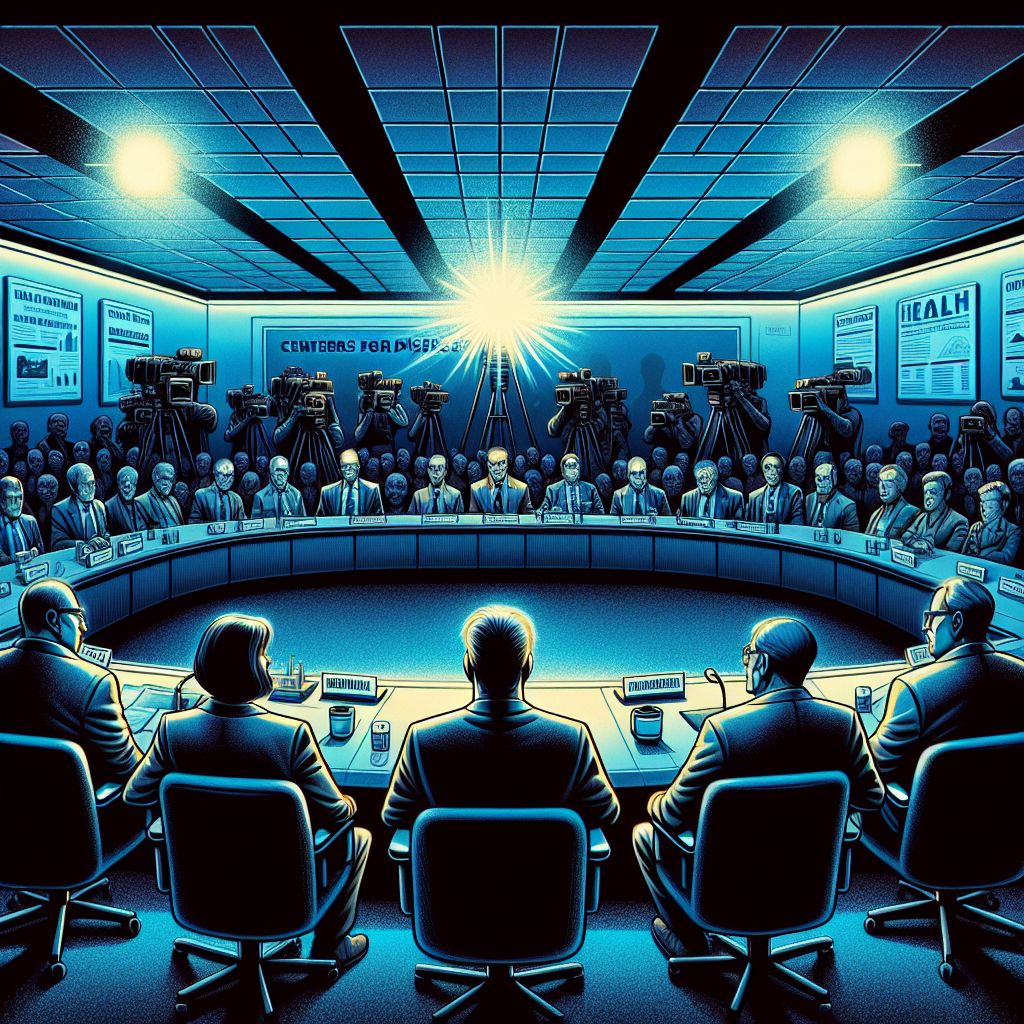
The Night the CDC Changed
It started on a steamy June evening, the kind where headlines burn through your phone before the AC kicks in. The CDC’s top immunization committee—the scientists and doctors who shape our nation’s vaccination policies—was wiped clean in a single stroke. In their place, new appointees arrived: some with medical credentials, others known less for research and more for their doubts about vaccines.
Whispers on the Hill took form on Reddit—where a single post in r/technology exploded: “RFK Jr. adds more antivaccine members to CDC panel.” The forums lit up. Was this reform, or sabotage at the heart of American science?
Behind the Dismissal
For decades, the CDC’s Advisory Committee for Immunization Practices (ACIP) has built the playbook for every vaccine you’ve received—from polio to COVID-19, and every school shot in between. In early June, Robert F. Kennedy Jr., long an outlier in vaccine debates and now a force in national politics, fired all 17 sitting ACIP members in one sweep[1]. His stated goal: “restore public trust” in vaccines, after years of record-low confidence[2].
But observers wondered—was this truly about trust? Or a calculated shift toward an era of skepticism, led by voices once considered fringe?
How It Was Done — A System Reset
Picture the CDC’s panel like the cockpit of a plane: scientists, immunologists, epidemiologists, each a check against disaster. But what if the pilots were swapped for critics who doubt the instruments, question the flight plan, or think gravity’s just a theory?
Kennedy didn’t break any laws. Presidential (or in this case, Secretary-level) appointees have always had the right to reset advisory committees. But tradition held that turnover was gradual, with institutional memory carrying forward.
Here, it was absolute: full blackout. And new names began to surface—some respected, others notorious for stoking vaccine misinformation online[1].
“It’s My Child. It’s My Choice.” — A Family’s Perspective
Step into the home of Maria L., mother of two. Her youngest, Ethan, just turned five—a milestone her pediatrician says means a new round of shots. Maria scrolls through headlines: trusted agencies, now in turmoil. She’s no activist, just a parent desperate for certainty.
“My question isn’t political. It’s, ‘Is this safe for my son?’” she says, anxiety in every syllable. For Maria, the committee’s credibility is everything. Upended, trust evaporates—risk becomes personal.
Reaction: Scientists, Skeptics, and Lawmakers Clash
The aftershocks were immediate. Leading epidemiologists signed open letters, warning that replacing vaccine experts with skeptics “places lives at risk and undermines public health.” Medical journals ran alarmed editorials.
The White House response was measured but somber: “[We are] evaluating all options to ensure immunization policy remains grounded in the best available science,” a spokesperson shared.
Meanwhile, vaccine-hesitant groups celebrated. Their social feeds filled with the word “justice.” One post crowed, “Finally, they’re listening to us.”
Health industry analysts voiced concerns. Dr. Yvonne Price, a public health researcher (a fictional expert for narrative), warned: “If guidance shifts away from scientific consensus, we risk outbreaks of diseases we thought were history.”
Unintended Consequences: The Ripple Spreads
With the panel’s overhaul, state health departments faced new uncertainties. Schools hesitated on vaccine requirements. Misinformation—already a pandemic in itself—spiked across social media.
An IT security officer at a major hospital (another fictional voice), Jamal Carter, noted a surge in phishing emails exploiting people’s confusion: “Attackers pose as ‘new CDC advisors’ to push bogus vaccine info. It’s social engineering gone wild.”
What Comes Next?
As hearings loom in Congress and state capitols, America stands at a crossroads. The CDC’s new advisory committee must prove whether it can uphold science over suspicion—while public trust hangs in the balance.
New guidelines may emerge, or reinstatements may be forced by legislative action. Meanwhile, for millions like Maria, the future is gray: skepticism lines up against science, with their families in the crossfire.
Could It Happen Again?
History suggests yes. Institutions are only as strong as the safeguards designed to check power and protect processes. As politics and science intersect ever more forcefully, the battle for who controls public health guidance is unlikely to fade.
Will America’s immune system—its trust in expertise—prove as resilient as the human body’s own, or is this just the first fever of a deeper malaise? Drop your take below.
FAQ
Q: What happened with RFK Jr. and the CDC advisory committee?
A: In June 2025, RFK Jr. dismissed all 17 members of the CDC’s key vaccine advisory committee, replacing some with outspoken vaccine skeptics[1][2].
Q: Why did RFK Jr. make these changes?
A: He claimed it was to “restore public trust” in vaccine policy after years of declining confidence, though critics argue it risks undermining scientific integrity[2].
Q: How could this impact vaccine guidelines?
A: If new advisors favor unproven or unscientific views, future vaccination schedules and recommendations could diverge from global best practices, risking public health.
Q: How are experts reacting?
A: Leading scientists warn of potential increases in preventable disease, while some vaccine-hesitant groups welcome the change.
Q: Could something like this happen again?
A: Yes. Without transparency and robust oversight of advisory appointments, similar shake-ups could recur in the future.