
The camera pans across a waving crowd—phones raised, screens aglow. In the center, a single notification lights up on Twitter. It’s not just a political feud: it’s a digital flashpoint. The United States isn’t just watching history unfold; it’s swiping, sharing, and streaming every fractious second.
An American Flashpoint, Broadcast Live
On a sweltering summer afternoon in Utah, the national mood grew taut after a tragedy that flickered across every screen. Charlie Kirk, a polarizing conservative commentator, was killed during a controversial campus visit. The aftermath erupted on social media: hashtags surged, accusations ricocheted, and political lines—already threadbare—snapped into open rage[1].
Within minutes, the digital scuffle grew into a political vise grip, tightened by congressional Republicans newly resolved to scrutinize the tech giants at America’s cultural core. This wasn’t just about Kirk or his politics—it was about the way Facebook, X, TikTok, and YouTube have become the battleground for democracy’s most heated, and most dangerous, fights.
Why the Tech Clash Matters to Everyone
Whether you scroll for memes, news, or family updates, the battle over tech isn’t just Washington drama or Silicon Valley intrigue. Every American’s feed—the content you see, the ads you can’t escape, the moments that go viral—sits at the intersection of politics and profit.
When Utah Governor Spencer Cox called social media “a cancer on our society right now,” it was more than a soundbite; it was a warning. He’d seen the viral storm after Kirk’s killing, watched as keyboard warriors whipped tragedy into partisan frenzy, and recognized the genuine danger in viral polarization: what starts online spills into real life[1].
Months before, Utah had become the first state to pass sweeping laws curbing how social media companies interact with children, demanding stricter default privacy and limiting what companies could lure and learn from America’s youth[1]. Now, under renewed political pressure, Republicans in Congress are tightening the screws on tech firms—demanding transparency, accountability, and answers about how algorithms amplify outrage, misinformation, and, at times, violence.
How the Vise Works: Tech Under Political Pressure
Imagine Congress as a vice, each turn squeezing tech companies between demands for security, free speech, and the public good. On one side: Republican lawmakers, furious over content moderation policies banning or downranking conservative voices, spearhead investigations and threaten new regulations. On the other: the tech giants, aiming to avoid government takeover while also managing hate speech, threats, and violence using tools their adversaries barely understand.
“It’s like asking someone to explain a black box while they’re still building it,” says Dr. Erin Goldman, an analyst at Digital Rights Watch. “Their systems learn and react to engagement—likes, shares, comments—but those same feedback loops reward the most extreme content. The politicians want transparency, but sometimes even engineers don’t know why a post goes viral or gets buried.”
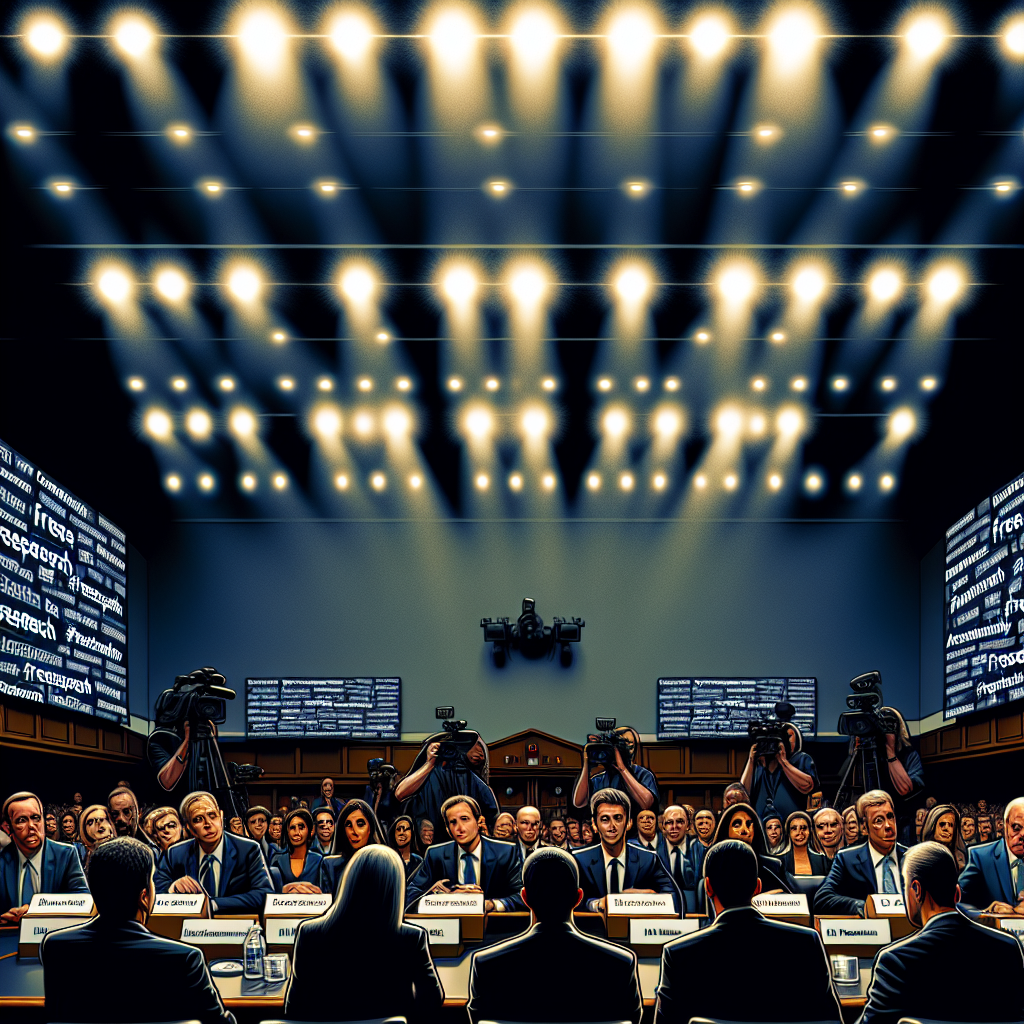
In committee rooms across D.C., tech execs face grilling questions: Did your recommendation algorithm push conspiracies or calls to violence? Did your AI filters miss the warning signs before a viral tragedy?
As hearings drag on, pressure rises—not just on policies but on the underlying code that shapes the modern mind.
Through the Eyes of an Ordinary American
Meet Karen, a school librarian in suburban Ohio. She checks Facebook every morning—first for birthday reminders, then for school snow day alerts. Last week, she watched as her feed filled with horrific images from the Kirk shooting and threads of misinformation, neighbors suddenly at odds over what really happened, and who was to blame.
Her son gets news from TikTok; her husband forwards viral emails. Karen wonders: Can any of this be trusted? Is it safe for her teenage daughter to scroll through the digital wild west?
“I feel like I’m living in a movie I can’t pause,” Karen says, “where every scene is louder and scarier than the last.”
The Response: Laws, Lawsuits, and Community Cries
Lawmakers weren’t content with concern alone. Utah’s new law forced big changes for social media accounts run by minors—disabling direct messages and autoplay, restricting push notifications, and clamping down on invasive data collection[1].
In the halls of Congress, demands grew for big tech to root out extremist communities, make algorithms public, and overhaul content moderation. Lawsuits multiplied against platforms accused of fueling addiction in children or failing to curb real-world harm.
But beyond legal drama, America’s civil leaders—Republicans, Democrats, and everyone in between—looked for ways to “ratchet down the political partisanship.” Cox’s plea? Put down the phones, touch grass, and remember that behind every screen is a human being craving connection, not chaos[1].
What’s Next / Could It Happen Again?
With election season looming, tech platforms brace for fresh scrutiny and regulatory threats. Data privacy advocates warn that even with new laws, tech isn’t easily tamed—algorithms can shift, public outrage can spike, and political fixations can turn even the best intentions into fresh battlegrounds.
And so, America stands at a crossroads, both digital and real: Can we shape social media into something that brings us together, or will the drama of the past repeat, amplified by the very technologies meant to connect us?
If the debate over tech and politics is just beginning, what do you think it will take to truly heal the divides—on screen and off? Sound off below.
FAQ
What does the “Republicans put tech firms in a vise” headline mean?
It refers to Republican lawmakers in Congress ramping up legal and political pressure on major social media companies after recent tragedies and controversies, demanding stricter accountability and transparency.
How has Utah responded to concerns about social media?
Utah passed pioneering laws in 2024 requiring stricter protections for minors on social media, making it harder for platforms to collect data, send push notifications, or enable addictive features for young users.
What happened with Charlie Kirk and social media backlash?
Charlie Kirk’s killing ignited a nationwide outcry, with social media becoming a flashpoint for partisan anger, misinformation, and pressure on tech firms to manage—or muzzle—harmful content[1].
What are the biggest risks of social media in politics?
Key risks include the amplification of misinformation, political polarization, and viral content that can inflame real-world violence or hatred[1].
Could social media platforms be forced to change again?
Yes. With upcoming elections and continued political scrutiny, further lawmaking, regulatory action, or court decisions could drive new reforms for what users see and share.