
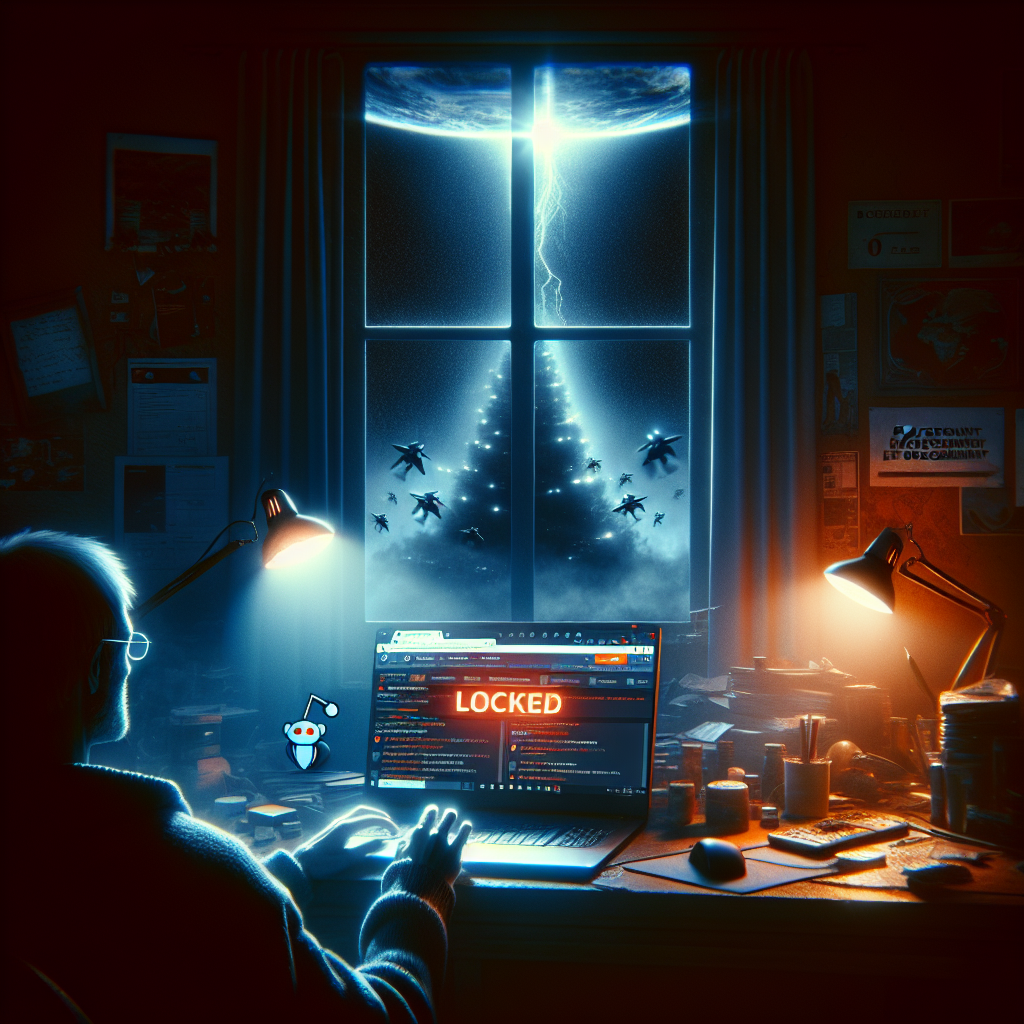
It’s midnight in a dimly lit apartment, and a Reddit mod we’ll call Alex is facing a decision no volunteer should ever have to make: lock down their community—a thriving forum with half a million members—or face a takeover by the very company that built the platform[1]. For years, Alex and the team have curated conversations, enforced rules, and kept the peace—all for free. Tonight, they’re being told that if they don’t reopen the subreddit, Reddit will remove them. For the first time, Alex wonders: Who really runs Reddit?
When the Volunteers Revolt
Reddit, the self-proclaimed “front page of the internet,” has always depended on its army of unpaid moderators—ordinary users who manage thousands of niche communities, from tech enthusiasts to hobbyists, activists to meme-makers. These moderators are the unseen architects of Reddit’s culture, and for years, they’ve worked in uneasy partnership with the company, enjoying autonomy in exchange for their labor[1].
But in June 2023, that pact shattered. Reddit announced new rules for its API—the technical bridge that lets apps and tools connect to Reddit—that would effectively kill off many third-party apps, including those beloved by moderators for managing complex forums. Outraged, moderators staged a blackout, closing thousands of subreddits in protest. Reddit’s response? A quiet but unmistakable warning: reopen, or be replaced[1].
The Mechanics of a Hostile Takeover
To understand what happened, you need to know how moderation works on Reddit. Every subreddit is a mini-kingdom, ruled by its moderators. They set rules, remove spam, and ban troublemakers—all without pay. But these moderators don’t own their subreddits; Reddit does. The company has always had the power to intervene, but until now, it’s played the role of a distant landlord, only stepping in for extreme cases.
When the blackout began, Reddit’s leadership sent notes to moderators, offering to “help”—meaning replace—those “hindering reopening.” One admin spelled it out: If all moderators agreed to keep the subreddit closed, they’d all be ousted, and a new team installed[1]. The message was clear: Reddit would not tolerate organized dissent from its volunteers.
Voices from the Trenches
Imagine you’re a parent, juggling a full-time job and family, and your real joy is a quiet evening spent moderating a subreddit for classic cars. That’s Sarah, a fictional but all-too-real Reddit mod. She’s never met the team in person, but they’re her friends. When the blackout began, she felt proud: she was standing up for the tools that make her thankless job possible. Now, she’s afraid of losing her community, built over years, to a faceless admin account named “ModCodeofConduct”[1].
“It’s not about the API anymore,” she says. “It’s about whether we matter.”
Reddit’s stance is pragmatic but jarring. The company insists it “respects the right to protest” but also needs “mods who want to mod to be able to do so”[1]. That bureaucratic language masks a ruthless calculus: communities exist to serve Reddit’s business, not the other way around.
The Fallout: A Community Disrupted
The consequences were immediate. Some mod teams caved under pressure. r/Apple, a massive forum for Apple fans, reopened quickly. Others, like r/TranscribersOfReddit—a group dedicated to making images accessible to visually impaired users—announced they would shut down entirely[1]. The blackout disrupted not just conversations, but vital services.
Even major brands took notice. Mojang Studios, creators of Minecraft, stopped posting official updates on Reddit, citing the turmoil over moderation and rules[1]. Google, meanwhile, saw a dip in search quality, as reliable Reddit content disappeared from results[1].
The Bigger Picture: Power, Protest, and the Internet’s Future
Reddit’s crackdown wasn’t just about APIs or apps. It was a power play, testing how much control a platform can exert over the people who build its value. Industry analysts compare it to other platform rebellions—Twitter’s messy transition under Elon Musk, Facebook’s battles with content moderators—but with a critical difference: Reddit’s moderators aren’t employees. They’re volunteers, and their leverage is limited.
Government regulators have stayed quiet, but digital rights advocates warn that Reddit’s move sets a dangerous precedent. “If platforms can erase years of community labor overnight, what’s left of the internet’s promise?” asks Dr. Mara Lin, a digital governance expert at the Center for Internet & Society (fictionalized for narrative impact).
Communities, meanwhile, are looking for alternatives—Discord, Substack, even old-school forums. r/malefashionadvice, once a cornerstone of Reddit’s men’s fashion world, saw its original mods leave for Discord as Reddit admins took control[1]. The new moderators, handpicked by the company, now face an impossible task: maintaining quality without institutional memory or specialized expertise.
What’s Next—Could It Happen Again?
Reddit’s CEO, Steve Huffman, has floated the idea of letting users vote out moderators democratically—a move that could further destabilize volunteer governance[1]. But even if that happens, the core tension remains: Platforms need communities, but communities need autonomy. Without trust, both sides lose.
The question isn’t just about Reddit. It’s about every major platform that relies on unpaid labor. What happens when the landlords decide to renovate? When the volunteers realize they’re tenants, not owners? In the end, the internet’s greatest weakness may be its greatest strength: People care. But will platforms listen before it’s too late?
What do you do when the platform you helped build turns against you—and what’s left to lose?
FAQ: Reddit Mod Takeover and Community Turmoil
Is Reddit really replacing moderators?
Yes, in some cases. Reddit administrators have removed or threatened to remove moderators who kept their subreddits closed during the 2023 protest over API changes[1].
What started the protest?
Reddit changed its API policies, making it much harder—and more expensive—for third-party apps to operate. Many moderators relied on these apps to manage their communities, leading to a widespread blackout.
How did Reddit react to the protest?
Reddit said it respected the right to protest but warned moderators they could be removed if they didn’t reopen their subreddits. Some communities complied, while others shut down permanently[1].
Why does this matter to regular users?
Moderators are the backbone of Reddit. Without them, communities can quickly become chaotic or even dangerous. Many users have noticed a drop in content quality and reliability.
Are there alternatives to Reddit for online communities?
Yes, platforms like Discord and Substack are becoming popular alternatives for communities seeking more autonomy. Some subreddits have already moved their discussions to these platforms[1].
Could this happen on other social media sites?
Absolutely. Any platform that relies on volunteer moderators—Facebook groups, Wikipedia, even some gaming communities—could face similar tensions.
What’s the long-term impact?
The incident has shaken trust between Reddit and its volunteers. Whether the platform can recover that trust—and whether other communities will be more cautious—remains to be seen.